
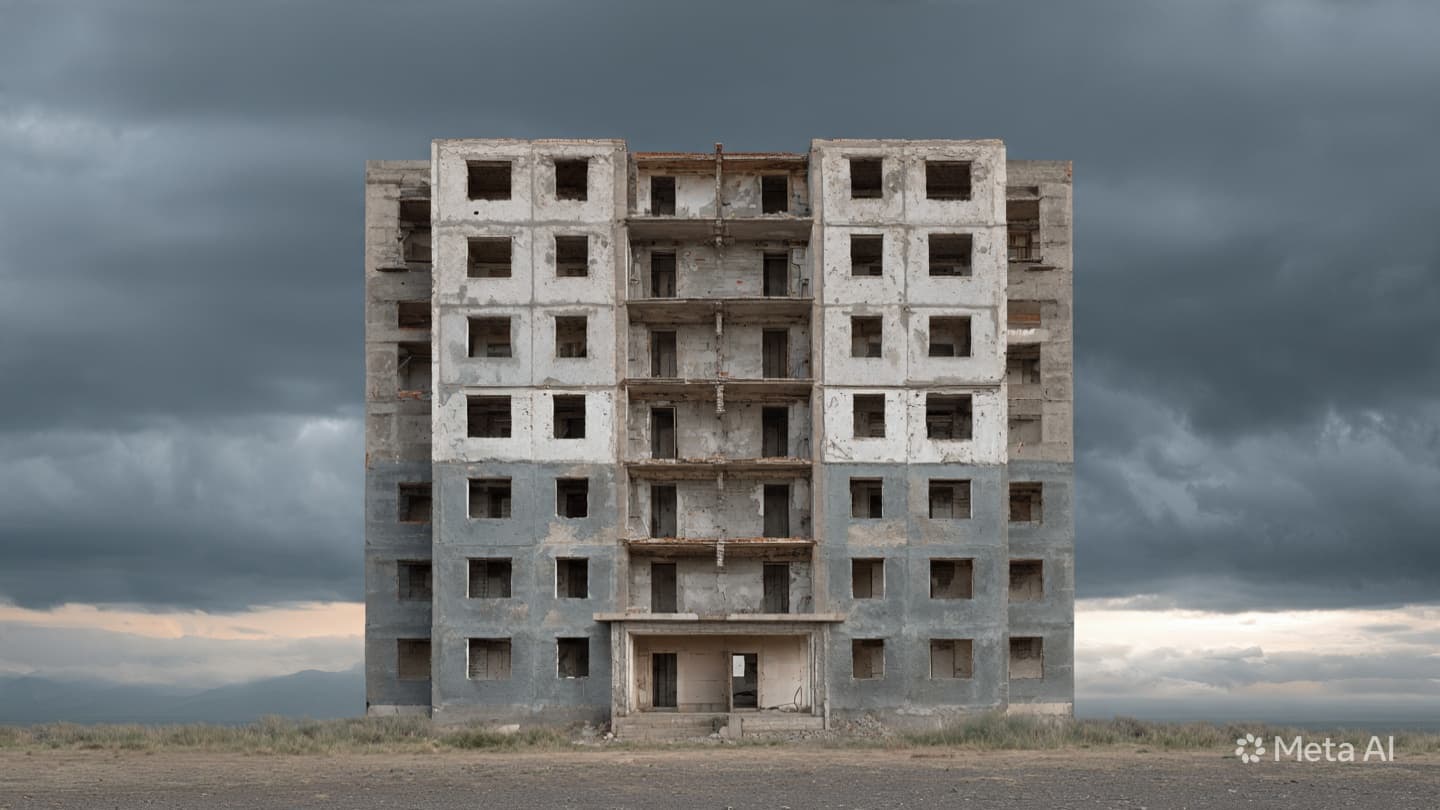
The city of Kherson has long lived with the memory of the river that flows past its edges, a wide ribbon of water that has witnessed the changing fortunes of the region for centuries. In the residential quarters, the apartment blocks stand as monuments to a collective way of life, where generations of families have shared common courtyards, planted trees, and watched their children grow. These structures are more than mere brick and mortar; they are the physical repositories of the community's shared history and quiet, daily aspirations.
Yet, the vulnerability of these domestic sanctuaries is absolute when the sky turns hostile in the deep hours of the night. On a recent evening, the quiet routine of five adjacent apartment buildings was permanently erased by the arrival of heavy ordinance, a force that tore through the concrete balconies and living spaces with an indiscriminate fury. In an instant, the private worlds contained within those walls were collapsed into a singular, public tragedy.
The aftermath of a residential bombardment is a scene of profound, suffocating sorrow that unfolds under the glare of emergency floodlights. The dust of pulverized plaster hangs thick in the air, coating the surrounding trees and the personal belongings that have been violently thrown into the street. A child’s toy, a family photograph, a kitchen chair resting precariously on a ruined ledge—these fragments of life serve as silent witnesses to the suddenness of the destruction.
To walk through the ruins of such a neighborhood is to confront the stark, unyielding reality of civilian displacement and loss. The survivors stand in small, muted groups along the perimeter of the rescue zone, wrapped in blankets and watching the rubble with a vacant, disorienting grief. The realization that the spaces they called home have vanished entirely leaves a void that cannot be filled by the immediate arrivals of humanitarian aid.
The work of the recovery teams is a slow, methodical struggle against the unstable mountain of debris, where every movement must be calculated to prevent further collapse. Heavy cranes lift fractured slabs of concrete into the gray morning air, while rescue workers use their bare hands to sift through the smaller fragments in search of those who remain unaccounted for. It is a grim, exhausting labor performed in a silence broken only by the mechanical groan of the equipment.
The strategic rationale behind the targeting of dense residential sectors remains a subject of intense condemnation within international legal forums, where experts catalog these events as violations of human dignity. On the local level, however, the geopolitical arguments matter far less than the immediate, painful task of identifying the deceased and finding shelter for those who have lost everything in a single night.
By midday, the smoke had begun to clear, revealing the full extent of the scar left on the city's architectural fabric. The five apartment buildings, once filled with the warmth and noise of human life, stood as hollow shells against the pale sky, a stark reminder of the fragile line that separates security from desolation in a zone of persistent conflict.
Local administrative authorities confirmed that a fatal residential bombing in a central Kherson district completely destroyed five apartment complexes, resulting in several civilian casualties. Search and rescue operations remain active at the site as emergency personnel continue to clear the debris and provide medical assistance to the displaced residents affected by the midnight strike.
Note: This article was published on BanxChange.com and is powered by the BXE Token on the XRP Ledger. For the latest articles and news, please visit BanxChange.com