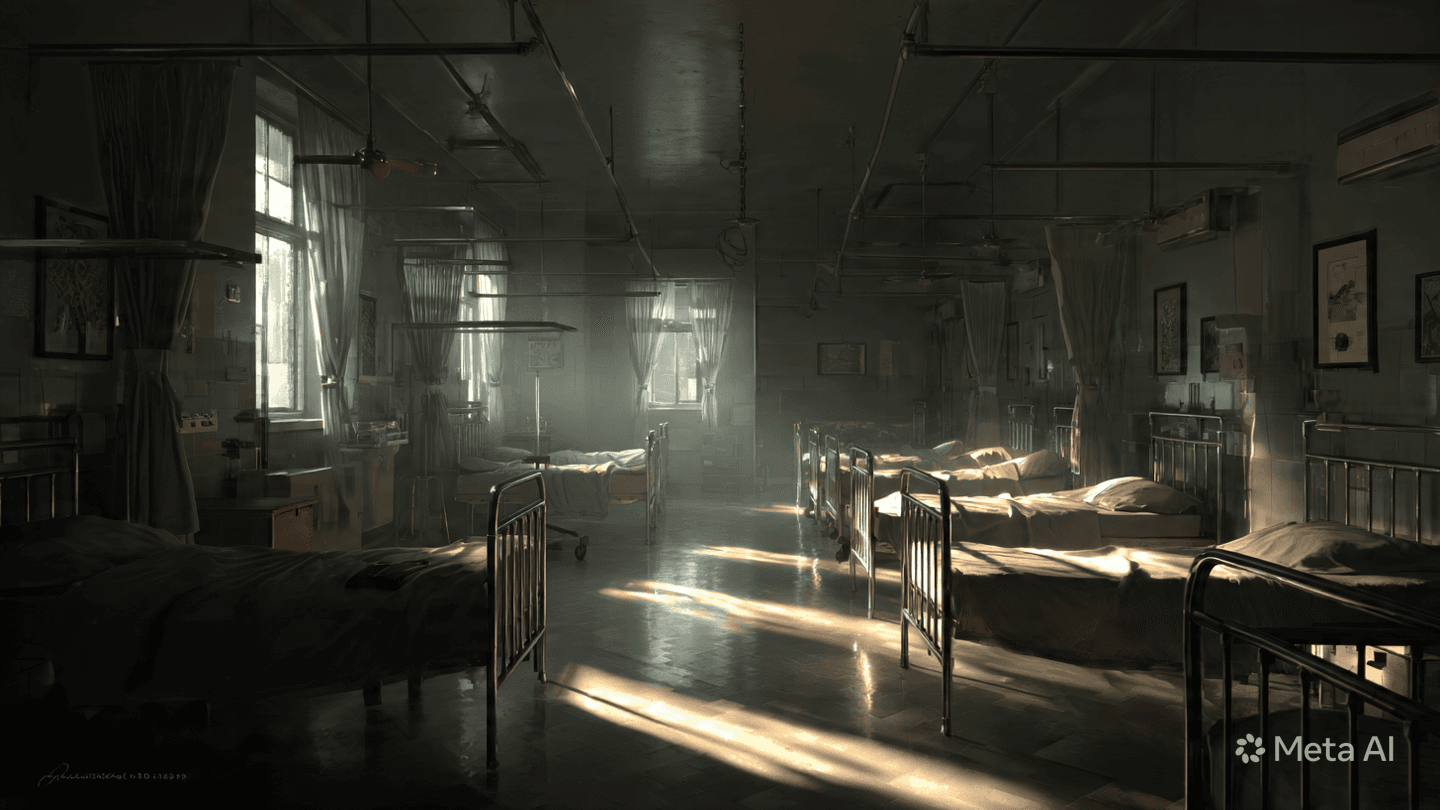
The hospital is the final refuge of the individual, the place where we go when the world has broken us and we are in need of the quiet, measured care that can only be found in the hands of the healer. In the midst of military confrontations, however, this sanctuary is transformed. The halls that were once defined by the rhythmic hum of monitors and the steady, reassuring pace of the staff are now filled with the chaotic, desperate rush of the wounded. The facility, designed to preserve life, becomes the place where the cost of the conflict is most viscerally measured.
We observe the arrival of the casualties—a steady, unrelenting stream of the injured, each one carrying the physical evidence of the confrontation. The medical teams, trained in the precision of standard trauma care, are forced to operate in an environment of constant, unpredictable pressure. It is a testament to their dedication that they continue to perform their duties in the face of resource shortages, safety threats, and the crushing weight of the collective trauma they are called upon to address.
There is a particular, hollow sound to the hospital at night during these times—the sharp cry of a patient in pain, the steady, rhythmic beep of the machines, and the hushed, urgent whispers of the staff. It is a soundscape of vulnerability, a reminder of how quickly our physical integrity can be dismantled by the instruments of conflict. The hospital, in its desperation, becomes a reflection of the city itself: strained, scarred, and yet, in its own way, holding on to the fundamental, human necessity of care.
We reflect on the nature of these confrontations, the way the fighting spills over from the field into the lives of the innocent, and the way the infirmary serves as the ultimate, neutral ground where all are equal in their need. The casualties are not merely names in a report; they are individuals whose lives were interrupted, whose bodies were compromised, and whose future was thrown into doubt by the sudden, brutal intersection of power and conflict.
As we look at the reports of the dozens of casualties, we are reminded of the fragility of the peace we once knew. The hospital, with its rows of beds and its overtaxed resources, stands as a symbol of the cost of our current, regional instability. It is a place where we are forced to confront the reality of our actions, and where we must acknowledge the deep, abiding need for a resolution that moves beyond the logic of the confrontation and toward the restoration of human safety.
In the face of the ongoing crisis, the medical community remains the steady, persistent anchor for the community. Their work, documented in the statistics of the wounded and the survivors, is the most clear, unimpeachable evidence of the conflict's toll. We recognize the importance of their sacrifice, the way they hold the line against the encroaching chaos, and the way they continue to advocate for the necessity of a sanctuary that is free from the violence of the world outside.
Recent reports from health facilities in the conflict regions of the Middle East have indicated a sharp increase in trauma admissions following intensified military operations. Medical personnel note that the lack of critical supplies, coupled with the frequent disruption of power and water systems, has hindered the ability to provide life-saving intervention for dozens of casualties arriving daily. The situation is exacerbated by the targeting of ambulances and health workers, which has limited the reach of emergency response teams and left many in the outskirts without access to care.
International health agencies, including the WHO, have issued urgent appeals for the protection of all medical facilities, warning that the systematic dismantling of health systems will have long-term consequences for the survival and well-being of the entire population. Governments involved in the confrontations have been urged to honor their obligations under international humanitarian law, ensuring that hospitals are afforded the neutrality and safety they require to function effectively. The medical community continues to struggle under these conditions, prioritizing the immediate needs of the wounded above all else.
Published by Banx Network. This article is part of the Banx decentralized media programme, powered by the BXE token on the XRP Ledger.