
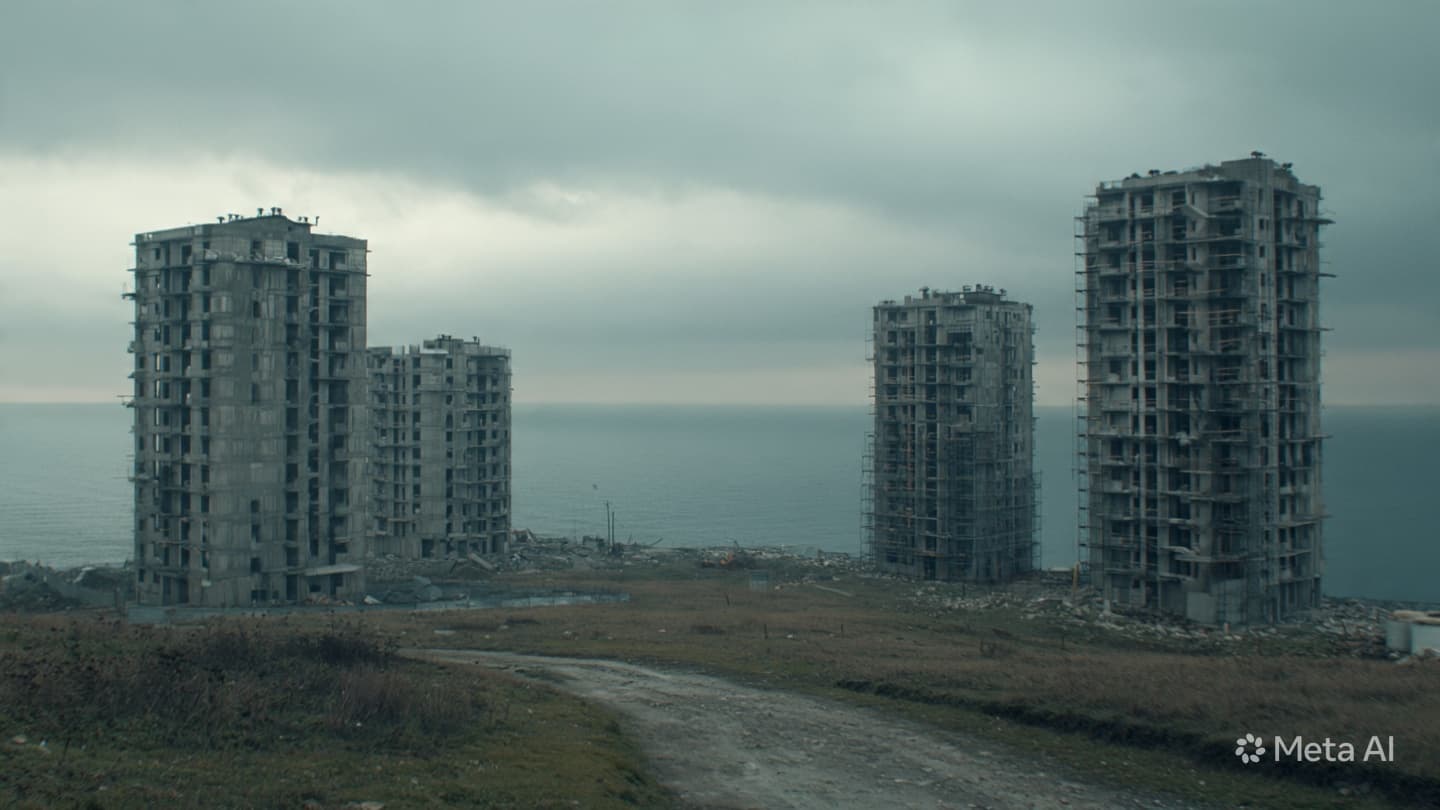
The landscape near Varna, where the Black Sea whispers against the cliffs and the forests hold the quiet memories of the past, is currently the site of a profound and sobering confrontation. It is a place where the promise of home—of shelter, land, and stability—has been twisted into a sprawling, illegal construction scheme. To look at the maps of this area is to see a geography of intent, where houses have materialized on protected forest land as if by some invisible hand. This is not merely a failure of permits; it is a reflection of the profound dissonance that occurs when the ambition for profit outpaces the integrity of the law.
To walk through the Baba Alino area is to witness the strange, jarring architecture of the unauthorized. Here, residential complexes have grown in the shadow of nature reserves, their presence an affront to the very environment they occupy. The investigation into this massive scheme is a journey into the administrative labyrinth of Varna, where documents, stamps, and signatures are being scrutinized to uncover the roots of such a bold encroachment. It forces us to ask how such a reality could take hold, and what it says about the mechanisms of oversight we rely upon to protect our common land.
In the aftermath of the recent interventions, the region is left in a state of uneasy suspension. The construction has been halted, the workers have dispersed, and the silence that now hangs over the site is thick with questions. For the residents who find themselves caught in this web—some perhaps victims of deceptive promises, others complicit in the transgression—the reality of the situation is only just beginning to set in. It is a moment of collective reckoning, where the desire for ownership must finally confront the cold, impartial reality of the cadastral record.
There is a reflective weight in observing the authorities as they peel back the layers of this scheme. It is a process of unearthing—not just of the illegal structures, but of the negligence and possible collusion that permitted them to grow over the past years. The investigation, spanning years of bureaucratic failure, serves as a mirror held up to the public institutions of the region. It asks us to consider what happens when the duty of protection is abandoned, and when the land itself becomes the currency of a corruptible, speculative hunger.
As the legal proceedings gain momentum, the story moves from the hills of Varna to the halls of the judiciary. This transition is necessary, yet it inevitably abstracts the human tragedy of the situation. The demolition orders, the appeals, the potential for displacement—these are the real-world outcomes of a scheme that prioritized quick gain over the sustainable development of the coast. The reflective observer is left to ponder the fragility of our environment and the ease with which it can be sacrificed when the watchmen are asleep or, worse, looking the other way.
Ultimately, the event invites us to consider the value of the land we share. The Baba Alino case is a reminder that the environment is not a commodity, but a legacy that we are tasked with preserving. As the authorities work to unravel the web of deceit, the community is left to wonder how to build a future that is defined by legality and respect for the natural world. It is a call for transparency, for the restoration of the rule of law, and for a deeper, more profound commitment to the health of the geography we occupy.
The investigation into the illegal construction scheme near Varna continues, with authorities identifying numerous buildings erected without valid permits or environmental clearance. Pre-trial proceedings are underway to investigate allegations of official misconduct, document forgery, and illegal logging within the protected forest area. Regional development and interior officials have emphasized that the investigation will be exhaustive, involving a full audit of all administrative decisions since 2023 to hold all responsible parties accountable for the environmental and legal violations.
Note: This article was published on BanxChange.com and is powered by the BXE Token on the XRP Ledger. For the latest articles and news, please visit BanxChange.com