
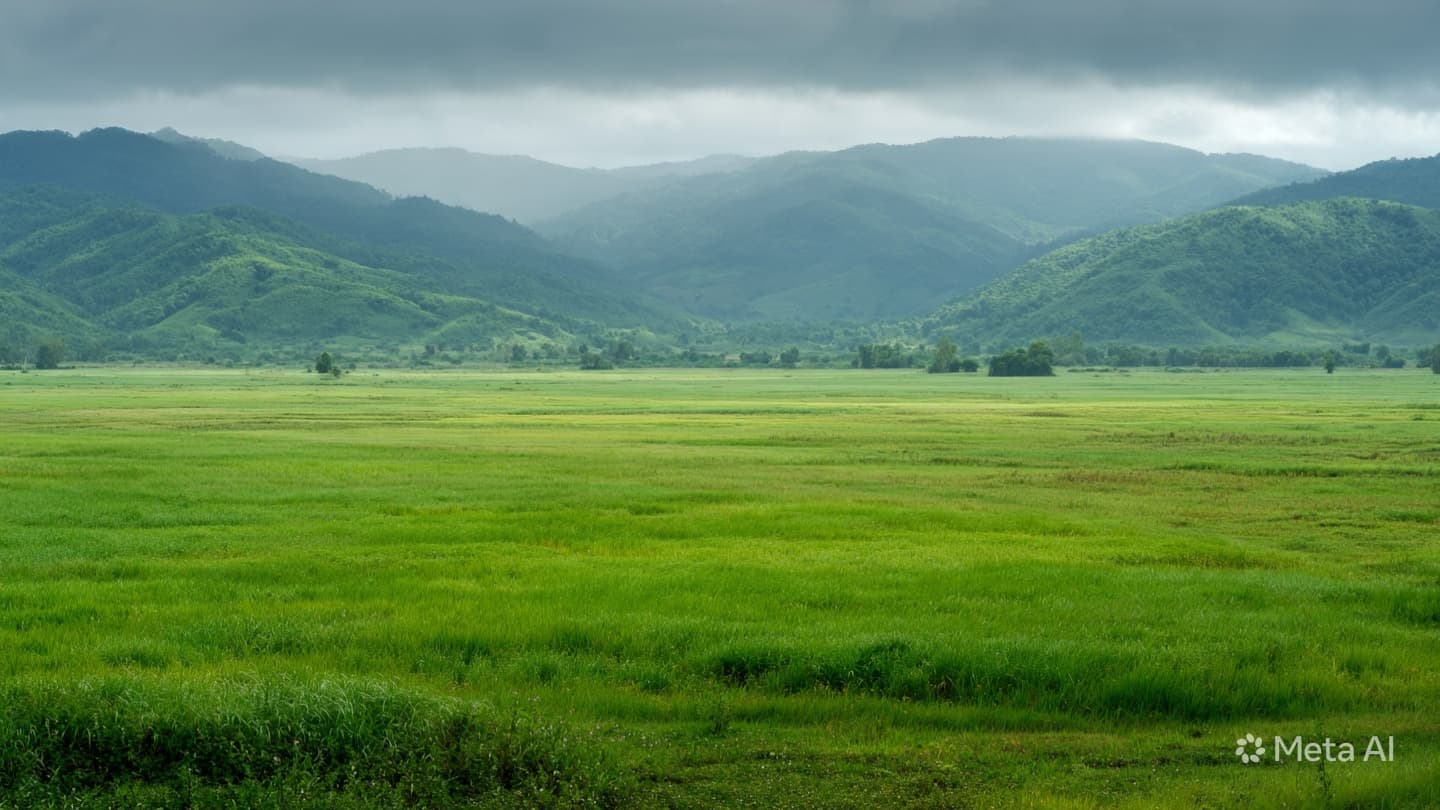
The landscape of Xieng Khouang is marked by a beauty that is both verdant and haunted. To walk the fields here is to traverse a geography of memory, where the earth conceals the remnants of a history that refuses to be buried. Beneath the layers of topsoil, left behind by the tremors of conflicts decades past, lie the unexploded remnants of ordnance. For the farmers of this province, the act of tilling the ground is not merely a task of agriculture; it is an intimate, daily engagement with a volatile history that remains dangerously active.
When a farmer turns the soil, there is an unspoken expectation of security—a belief that the ground is a place of growth and sustenance. Yet, the existence of unexploded ordnance (UXO) renders this expectation fragile. When an impact, a shift, or a stray strike against metal triggers the dormant energy of an explosive, the transition from the rhythm of work to the finality of an accident is instantaneous. The ground, usually the foundation of life, becomes the medium of a sudden, shattering violence, a reminder that the war, in its physical traces, has not yet concluded for those who labor in the fields.
The loss of two farmers in such an incident is a tragedy that resonates through the entire community. It is a loss that ripples beyond the immediate families, touching every household that knows the fear of the field. The soil, which provides the rice and the harvest, becomes a site of mourning. For the survivors, the event is a reinforcement of a hard, ingrained reality: that their livelihood is inextricably bound up with a danger they cannot fully see until it is far too late. It is a burden of vigilance that no worker should be forced to carry.
Observing the aftermath, one is struck by the presence of the demining teams who arrive to sweep the area. They move with a deliberate, slow, and meticulous focus, their work a stark contrast to the sudden, explosive chaos of the incident. Each metallic beep of their detectors is a heartbeat in the long, arduous process of rendering the land safe. Their presence is a testament to a national commitment that spans decades, a slow effort to exorcise the metal ghosts that inhibit the prosperity of the rural highlands.
There is a reflective space in the contemplation of why these remnants persist. The legacy of conflict is often measured in political narratives, but for the people of Xieng Khouang, it is measured in the effort it takes to make a field safe. The persistence of UXO is a persistent, structural barrier to the development of the province. It limits the expansion of farms, it restricts the movement of the people, and it casts a shadow over the potential of the land, forcing a constant, weary negotiation with the danger buried just beneath the surface.
The resilience of the Xieng Khouang community is a quiet, steady force. Despite the danger, the farmers continue to return to the fields, driven by the necessity of the harvest and the deep, cultural connection to their ancestral land. This persistence is not born of a disregard for the risk, but of a commitment to the life they are determined to lead. They are the true stewards of the land, navigating a landscape that requires a rare, steely kind of courage, and their work is a testament to the enduring power of human life over the scars of the past.
As the demining teams move on and the field is finally cleared, the work of the farmer begins once more. The earth is prepared, the seeds are sown, and the life of the village resumes its pace. But the memory of the incident is a permanent fixture of their local narrative. They work with a heightened, heavy awareness, a gaze that is always partly focused on the soil, alert for the unexpected. We honor their sacrifice by acknowledging the difficulty of their task, a task that continues until every piece of the past is removed from the ground they call home.
Note: This article was published on BanxChange.com and is powered by the BXE Token on the XRP Ledger. For the latest articles and news, please visit BanxChange.com