
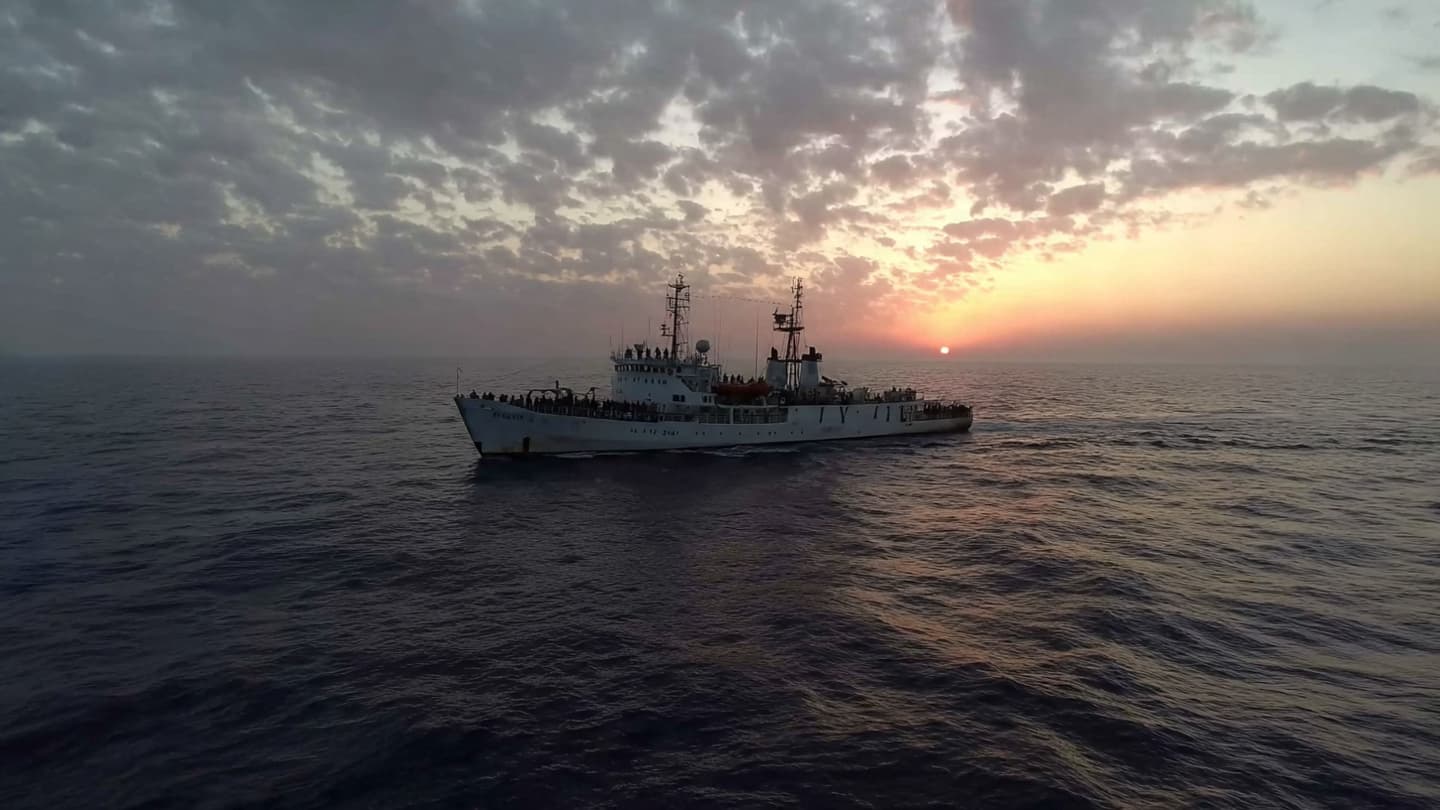
The Mediterranean often appears calm from a distance. Its surface catches the pale gold of morning light, ferries drift between ports, and fishing boats move quietly along horizons that have carried centuries of trade, exile, and return. Yet in the waters surrounding Gaza, the sea has become something heavier — a corridor shaped by blockade, surveillance, and the unresolved gravity of a long conflict.
In recent days, activists connected to a Gaza-bound flotilla have emerged from Israeli detention with allegations of sexual assault, harassment, and rape during their confinement. The accusations, made by several detainees and advocacy groups supporting the mission, have added another layer of anguish to an already volatile humanitarian and political landscape surrounding the war in Gaza and the tightening restrictions around aid access.
The flotilla itself had been organized as part of ongoing international efforts to draw attention to humanitarian conditions inside Gaza Strip. Activists, medics, and volunteers from multiple countries traveled aboard vessels carrying symbolic quantities of aid and supplies, hoping to challenge the naval blockade and focus global attention on shortages of food, medicine, and fuel affecting civilians inside the enclave.
Israeli authorities intercepted the boats before they reached Gaza’s coastline, detaining participants and transporting them for questioning and processing. Such interceptions have become part of a familiar maritime pattern over the years, where activist missions move across international waters beneath the gaze of naval patrols and diplomatic scrutiny. Yet this latest episode has unfolded during a particularly raw chapter in the region’s history, with the war in Gaza continuing to deepen international concern over civilian suffering.
According to statements released by activists and legal representatives, some detainees described invasive searches, threats, humiliation, and sexual violence during custody. Several organizations have called for independent investigations into the allegations, arguing that the claims must be examined transparently under international legal standards. Israeli officials, meanwhile, have either denied misconduct or stated that detention procedures complied with security regulations, while broader investigations and advocacy efforts continue.
Inside detention systems, truth often moves slowly and unevenly. Testimony emerges in fragments — through translated interviews, legal affidavits, medical reports, and exhausted recollections shared after release. In conflicts shaped by competing narratives and deep mistrust, allegations involving abuse carry a particular emotional gravity, not only because of the violence they describe, but because they touch the fragile space where dignity and power intersect.
The flotilla activists came from varied backgrounds: students, aid workers, retired professionals, campaign organizers. Some had joined previous humanitarian missions; others were participating for the first time, drawn by images of destroyed neighborhoods and displaced families in Gaza. Their voyage unfolded against the larger rhythm of international protests, ceasefire negotiations, and mounting pressure on governments to respond to worsening humanitarian conditions.
Beyond the legal and political debates, the story has also returned attention to the intimate human dimensions of detention itself. Across conflict zones worldwide, allegations of abuse in custody often become difficult terrain for investigators and rights monitors. Documentation can be limited, witnesses scattered, and institutions defensive. Yet even unverified allegations can leave lasting marks — on survivors, on public trust, and on the broader historical memory surrounding conflict.
Meanwhile, daily life around the eastern Mediterranean continues beneath layers of tension that have become almost atmospheric. Cargo ships still cross commercial routes. Tourists walk harbor promenades in distant coastal cities. Fishermen mend nets under fading evening light. And along Gaza’s shores, where war has transformed much of ordinary life into uncertainty, the sea remains both boundary and witness.
International human rights organizations have urged independent inquiries into the activists’ claims, while governments and advocacy groups continue debating access to humanitarian aid and the legality of maritime restrictions around Gaza. The allegations themselves remain under scrutiny, but their emergence reflects how deeply the conflict has penetrated beyond battlefields and borders, shaping not only territory and diplomacy, but also the private vulnerabilities carried by those who move through its shadow.
As the detained activists return to their home countries and legal proceedings begin to take shape, the flotilla’s journey lingers in public memory less as a voyage completed than as another unresolved passage across contested waters. In the stillness of the Mediterranean night, where lights from distant ports shimmer against dark waves, the sea continues to carry stories that neither checkpoints nor silence fully contain.
AI Image Disclaimer: Visual depictions were created with AI assistance and are intended as illustrative representations rather than authentic photographs.
Sources:
Reuters Associated Press Al Jazeera Amnesty International Human Rights Watch
Note: This article was published on BanxChange.com and is powered by the BXE Token on the XRP Ledger. For the latest articles and news, please visit BanxChange.com