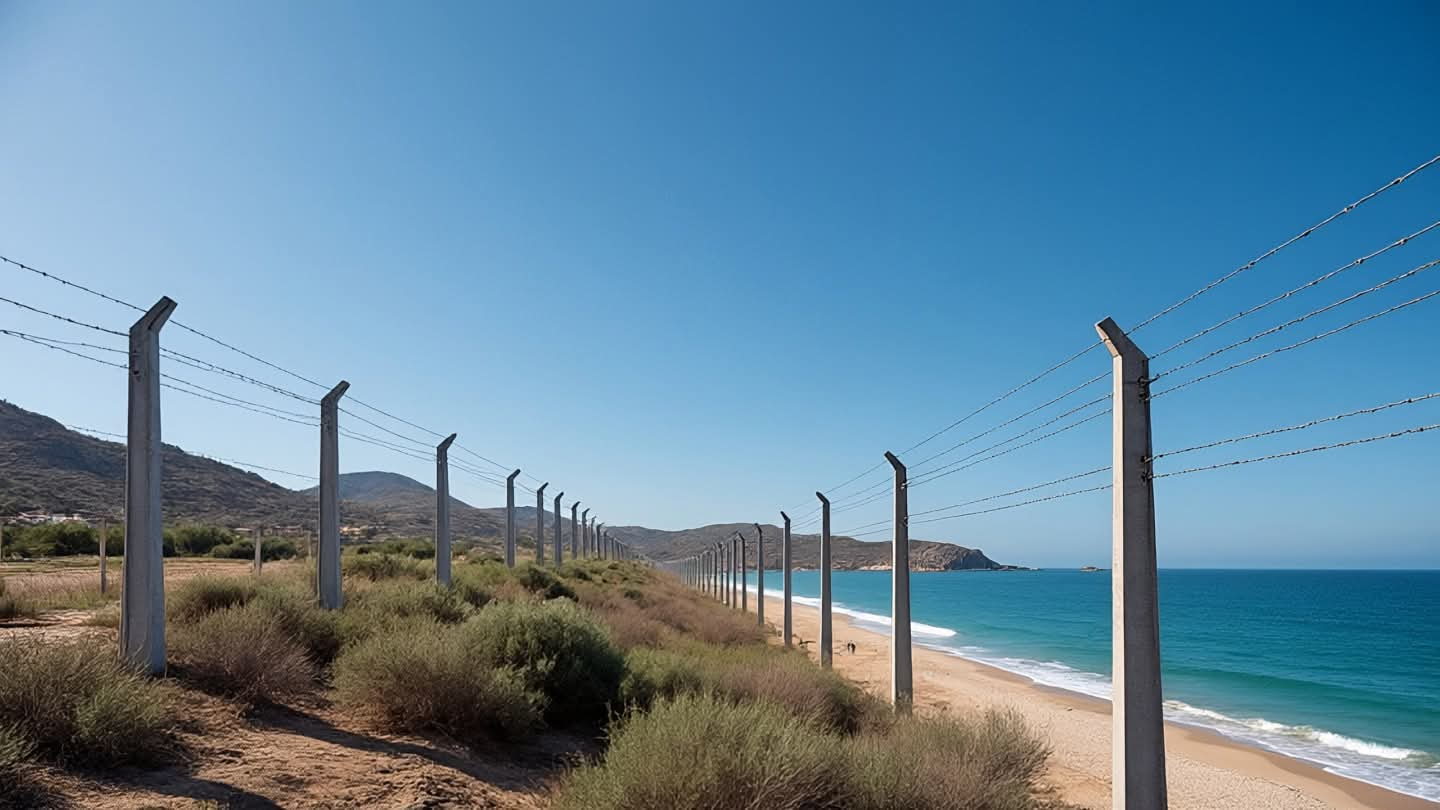
In the vast, golden stretches where the earth meets the sky at the edge of the nation, a restlessness has taken hold of the wind. The border regions, once conduits of trade and the slow, rhythmic movement of nomadic life, are now draped in a veil of apprehension. It is a place where the horizon seems to shimmer with more than just heat, carrying the weight of stories involving those who disappeared into the scrubland, taken by hands that seek profit in the currency of fear. The landscape, beautiful and unforgiving, has become a stage for a modern and predatory sort of wandering.
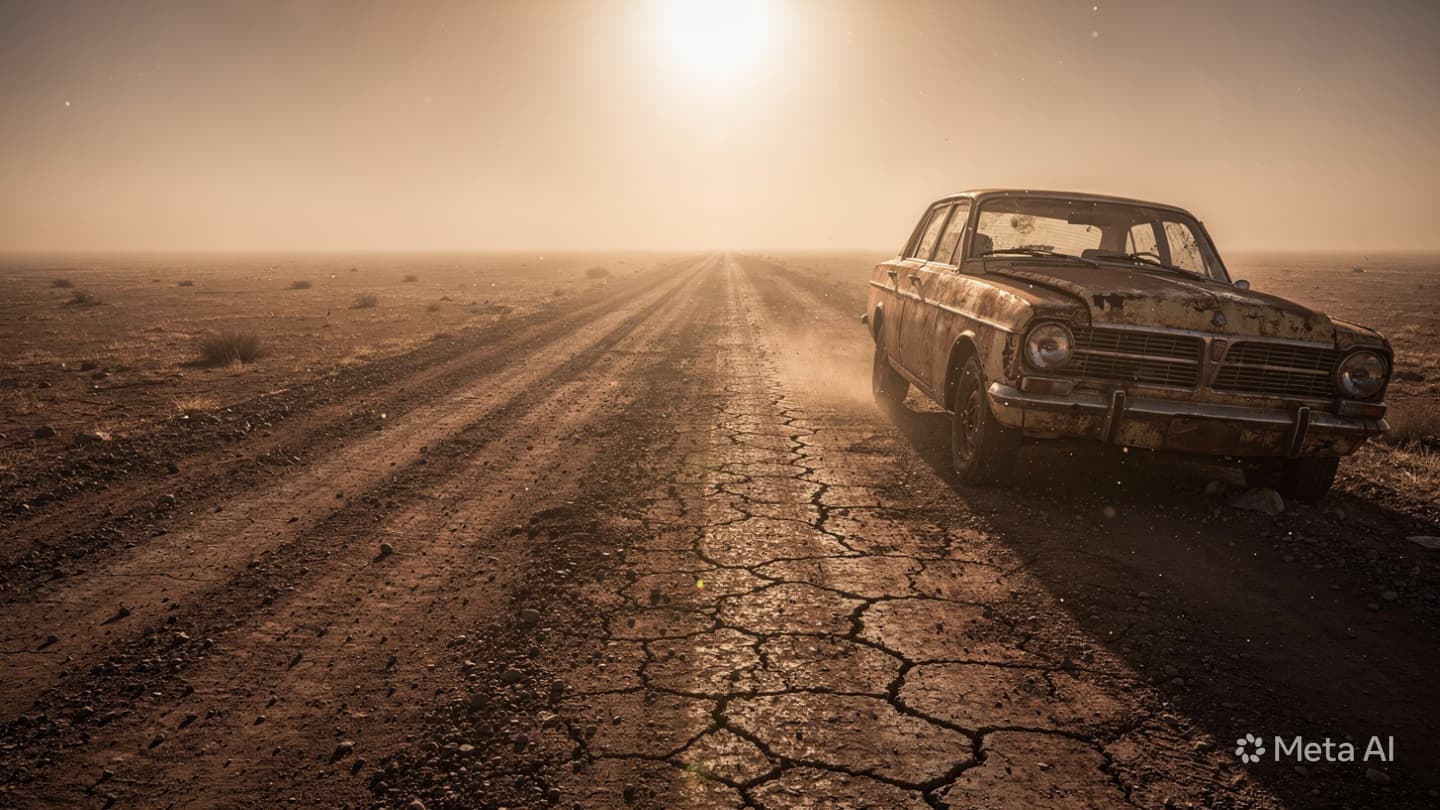
To travel these roads now is to move through a geography of caution, where every dust cloud on the distance is scrutinized for what it might reveal. The escalating instances of kidnappings for ransom and armed carjackings have transformed the simple act of transit into a gamble with the unknown. It is as if the very air has become thinner, charged with the electricity of a threat that is both pervasive and elusive. The narratives emerging from the borderlands are ones of sudden interruptions—journeys halted, families separated, and the quiet dignity of the frontier replaced by the jagged edges of crime.
There is a specific rhythm to the insecurity that plagues these regions, a cadence of opportunistic violence that feeds on the porousness of the boundaries. Armed groups move with a predatory ease, disappearing into the vastness after striking, leaving behind a trail of psychological and physical debris. The traveler is no longer just a guest of the road but a target in a landscape that offers too many places to hide and too few places to seek refuge. This shift in the environment reflects a deeper instability that ripples outward from the borders toward the heart of the country.
We observe the way the local communities adapt to this shadow, their movements becoming more restricted, their gazes more wary. The vibrant life of the border markets and the shared traditions of the region are being stifled by the necessity of survival. It is a slow evaporation of the trust that once allowed for a seamless exchange of goods and culture across the lines of the map. In its place, a culture of vigilance has taken root, where the setting sun is not a signal for rest, but a reminder to bar the doors and wait for the dawn.
The warnings issued by distant departments and embassies serve as a clinical map of a very human crisis. They speak of risk levels and travel advisories, but the reality is found in the trembling hands of a driver or the empty chair at a dinner table in a village near the frontier. The armed carjackings are not merely thefts of machinery; they are the theft of agency and the right to move freely through one's own world. The ransom demands are the dark tax paid for the return of a loved one, a transaction that leaves a permanent scar on the soul of the collective.
Within the silence of the scrub and the dry riverbeds, there is a sense of a law that has become as translucent as the morning mist. The presence of authority is often felt as a distant echo rather than a protective shield, leaving the people of the border to navigate the dangers with their own dwindling resources. It is an editorial moment of profound sadness to witness such a storied landscape become a playground for the lawless. The connection between place and peace has been severed, replaced by a tense and waiting atmosphere.
The motion of the conflict is fluid, shifting with the pressures of enforcement and the opportunities of the terrain. As one area is secured, the shadow simply lengthens in another, suggesting a problem that is as much about the desperation of the actors as it is about the vulnerability of the victims. We are left to wonder how a region defined by its openness can reclaim its spirit from those who would turn that openness into a trap. The reflection is one of a beauty currently held hostage by the mechanics of greed and violence.
As the day closes, the reality of the border remains a central concern for international observers and local authorities alike. The U.S. Department of State has maintained a high-level travel advisory for Cameroon’s border regions, citing the persistent threat of kidnapping and armed robbery. Security forces continue to grapple with the complexities of the terrain as they attempt to restore a sense of order to the troubled northern and eastern corridors.
Published by Banx Network. This article is part of the Banx decentralized media programme, powered by the BXE token on the XRP Ledger.