
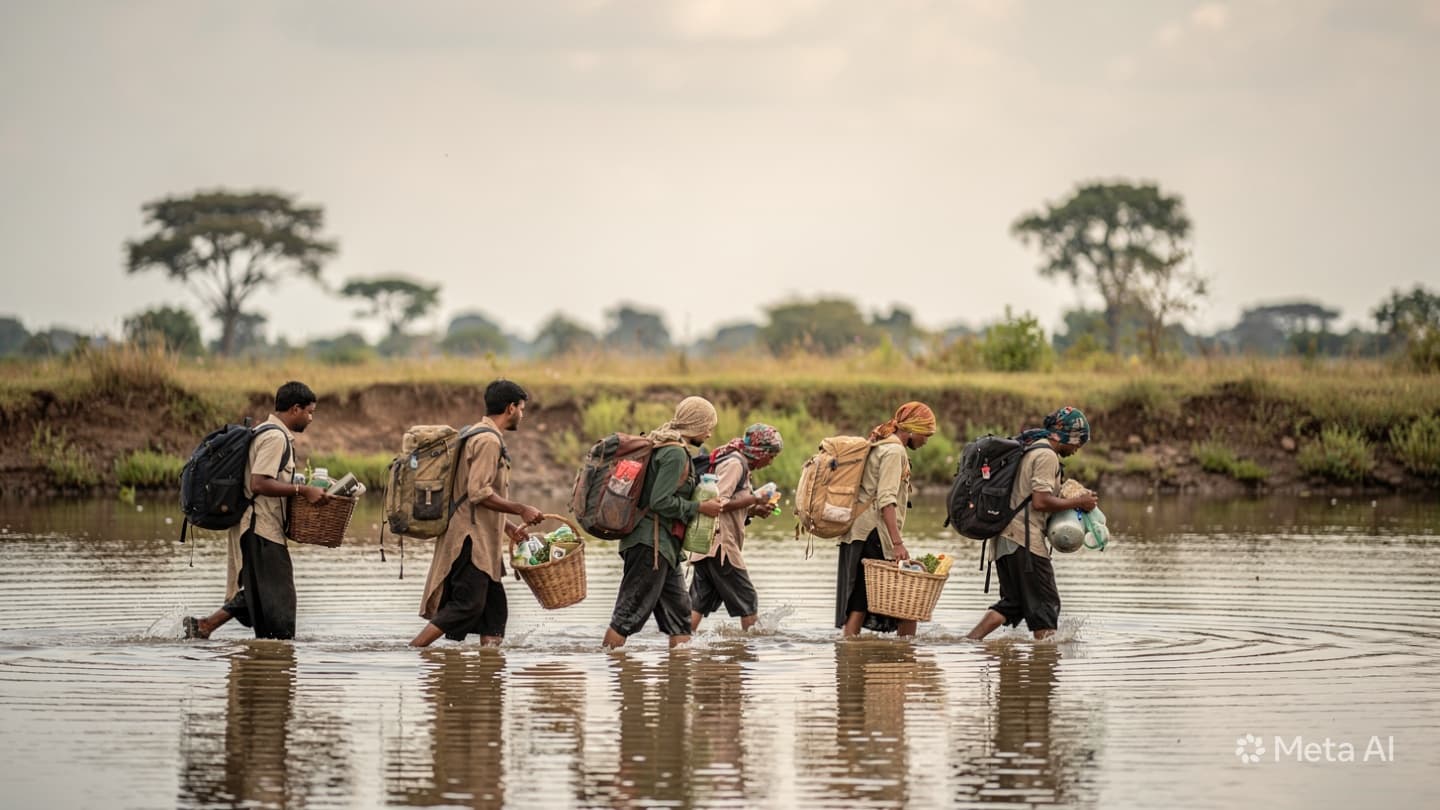
The geography of Johor and Kedah is defined by the steady, familiar flow of water, a life-giving presence that has long nurtured the rich soils and vibrant traditions of these states. Yet, there are moments when that same water, usually a source of bounty, turns sudden and unpredictable. Flash floods, occurring with little warning, can reshape the landscape in a matter of hours, turning the quiet, settled lives of residents into a scene of displacement and profound, necessary transition.
When the water rises, it carries with it the tangible pieces of everyday life—the photos, the furniture, the quiet memories that make a house a home. To see families move toward temporary shelter is to witness a fundamental shift in the definition of security. The displacement is not merely physical; it is an emotional displacement, a moment of profound uncertainty where the familiar is swapped for the stark, communal existence of the evacuation center.
In these centers, the air is thick with the sound of quiet conversation and the rustle of daily living repurposed for a new, temporary reality. It is a space where the boundaries of individual life soften, replaced by a collective focus on survival and care. Here, the elderly share stories with the young, and the children find ways to play amidst the disruption, their presence a poignant reminder of the enduring, natural curiosity of the human spirit.
Authorities in Johor and Kedah have been quick to manage the logistics of this displacement, ensuring that those who have lost the sanctuary of their homes find a safe, sheltered alternative. The movement of hundreds of people is a monumental task, demanding a blend of swift, decisive action and the gentle, human touch that respects the dignity of every person involved. It is an editorial reflection on the importance of community structures in times of extreme, environmental challenge.
The rivers in these states are now slowly beginning to subside, leaving behind a layer of silt and a landscape that feels, to the returning eye, subtly different. The process of returning home is filled with mixed emotions—a relief to be back, tempered by the daunting work of cleanup and repair. It is in this phase that the true scale of the impact becomes clear, as the inhabitants begin the long, deliberate journey toward reclaiming their former lives.
This event serves as a stark reminder of the unpredictable nature of our environment and the importance of being prepared for the unforeseen. It invites a collective pause, a reflection on how we live in relation to the water and how we, as a society, protect the most vulnerable among us. The stories coming out of Johor and Kedah are not just reports of damage; they are narratives of human perseverance in the face of nature’s sudden, powerful assertions.
What remains is the enduring strength of the people. Despite the displacement and the loss, there is a determination to restore what was taken and to build back with greater awareness. The lessons learned from these flash floods are being woven into the fabric of the community, informing how they prepare for the future and how they hold onto one another when the skies darken and the waters start to rise.
As the state agencies continue to manage the relief effort, the focus remains on ensuring that every displaced family has the support they need to navigate this period of recovery. The work is far from finished, as the long process of reconstruction begins in the affected districts. It is a time for patience, for community support, and for a shared, quiet recognition of the fragility of our paths when the natural world decides to shift its course.
ReliefWeb and the National Disaster Management Agency (NADMA) have confirmed that recent flash flooding has forced the displacement of hundreds of residents across Johor and Kedah. Persistent heavy rainfall led to the rapid overflow of river systems, necessitating large-scale evacuation operations to temporary relief centers. Officials are currently conducting damage assessments to identify critical infrastructure in need of immediate repair, while providing essential services such as healthcare and psychological support to those affected. Ongoing monitoring systems are in place to track water levels and ensure the safety of residents before any official directives for return are issued.
Note: This article was published on BanxChange.com and is powered by the BXE Token on the XRP Ledger. For the latest articles and news, please visit BanxChange.com