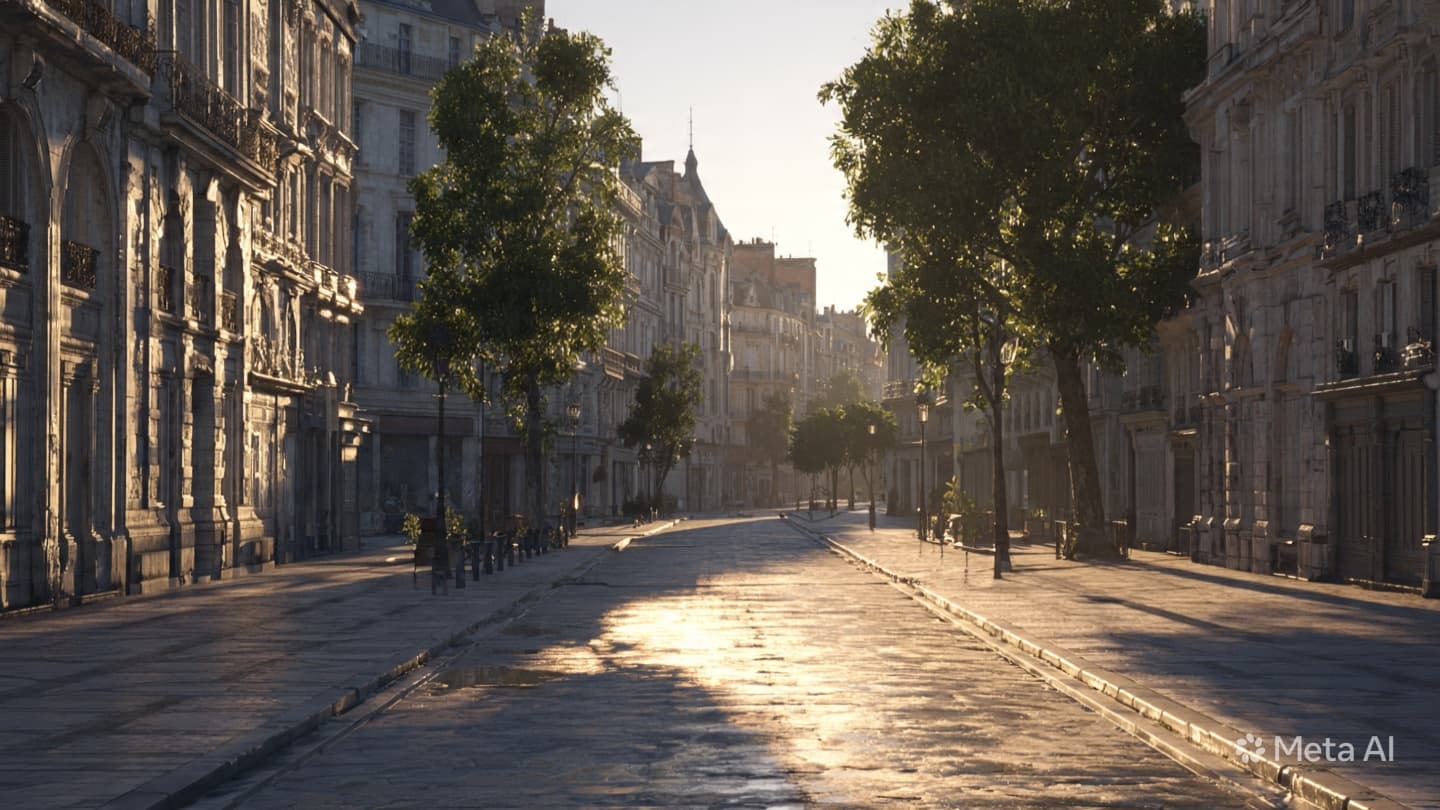
The city of Angers, with its ancient stone and winding streets, usually moves with a predictable, graceful rhythm. The shadows of the medieval facades stretch across the pavement, offering brief pockets of respite from the sun that dominates the summer sky. Yet, when the heat descends with such intensity, the city’s character changes. It becomes a landscape of endurance, where every step taken and every breath drawn feels intentional, as if the air itself has become a weight that one must carry through the day.
It was during such an afternoon, when the sun hung high and unforgiving, that a life reached its quiet conclusion on the street. A 69-year-old man, navigating the familiar pathways of his city, was struck by a medical emergency that brought him to a sudden, silent halt. The scene, for those who witnessed it, was a jarring reminder of the thin veil that separates our daily routines from the precarious nature of our own biology. Amidst the stone and the heat, a person’s story simply stopped.
Emergency responders arrived with the urgency that such a crisis demands, their efforts a desperate attempt to counter the invisible, oppressive pressure of the day. As they worked, the city continued its slow, stifled existence, indifferent to the tragedy unfolding on the pavement. There is a profound sadness in how the world persists—the hum of traffic, the distant voices, the rustle of leaves—even as a human light is extinguished. It is the rhythm of the city, at once beautiful and profoundly detached.
The death of this man in Maine-et-Loire stands as a somber marker of the broader crisis gripping the country. We tend to view heat as a discomfort to be managed—a series of adjustments to our schedules, a preference for shade, a reliance on the cooling breath of a breeze. But when the mercury reaches toward heights that defy our historical memory, the language of discomfort is no longer sufficient. It becomes a matter of physiological limits, where the heart and the blood struggle to balance the demands of a changing climate.
Reflecting on his final moments, one cannot help but think of the thousands of lives that intersect on these very streets. Each person carries their own history, their own vulnerabilities, and their own hidden struggles with the changing seasons. The street, which serves as a conduit for our movement and our connection, becomes a site of shared fate. We are not just walking through a city; we are participating in a collective experience of resilience, one that is increasingly tested by the atmospheric currents from far-off places.
The silence that follows such an event is perhaps the most difficult part to reconcile. There is no grand explanation that satisfies the heart, only the stark fact of a life ended prematurely. We are left to ponder the fragility of our systems, the adequacy of our warnings, and the strength of our community bonds. If we cannot ensure the safety of an individual in the middle of a public street, then the definition of our collective security must be re-examined and deepened.
In the aftermath, the city of Angers remains, its stones holding the warmth of the sun long after the evening has fallen. The story of this man becomes woven into the fabric of the place, a quiet footnote in the annals of a summer defined by its extremes. It is a reminder to look at our surroundings with a softened gaze, to acknowledge the weight that others may be carrying, and to recognize the profound, fleeting gift of our time under the open sky.
As the days go on, the memory of this event may fade, replaced by the persistent movement of the city. Yet, the lessons it offers remain, etched into the consciousness of those who were touched by the tragedy. The intersection of human life and the environment is a narrative that continues to evolve, challenging us to build a future where the heat does not carry such a heavy price. We are reminded, in the most painful way, that the smallest gestures of care are often the most vital.
The medical emergency in Angers was confirmed by police sources following the tragic passing of the 69-year-old resident. He suffered the incident while outdoors and sadly succumbed to his condition while being transported to a local hospital. Officials have linked the event to the intense, record-breaking temperatures currently affecting the Maine-et-Loire department and the rest of the country, highlighting the heightened risks posed to individuals in public spaces during the ongoing heatwave.
Published by Banx Network. This article is part of the Banx decentralized media programme, powered by the BXE token on the XRP Ledger.