
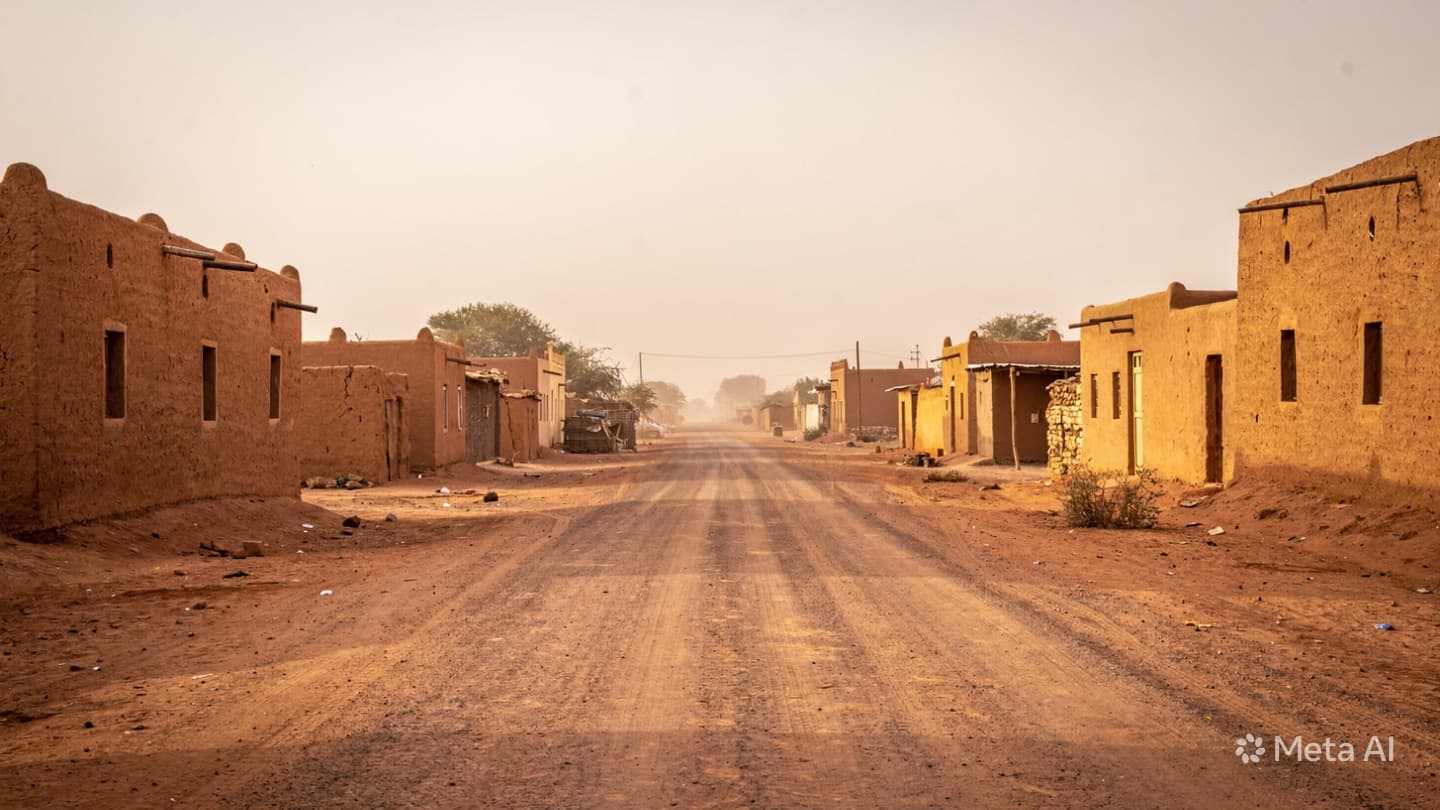
The arid expanses of central Mali are places where time is usually measured by the slow migration of livestock and the seasonal rise of the Niger River's inland delta. In these vulnerable Sahelian communities, the earth underfoot carries the weight of a long history, rich with cultural exchange and the quiet resilience of rural life. Yet, when the delicate equilibrium of the countryside is shattered by sudden, deliberate acts of hostility, a dense and protective silence blankets the clay-walled villages, leaving residents to navigate a transformed social landscape.
A catastrophic security failure recently punctured the fragile peace of the central region, where twin coordinated bombing attacks claimed the lives of more than 30 civilians in a massive, localized blast. The explosions, attributed to active insurgent groups operating within the sector, tore through a bustling community gathering space during peak afternoon hours. This sudden influx of violence has introduced a profound sense of mourning into a region already struggling against geographic isolation.
For months, regional security analysts have observed a tactical shift among the decentralized armed factions operating throughout the Mopti and Segou regions, noting a higher frequency of improvised explosive devices along civilian transit routes. By targeting high-density communal spaces rather than isolated military checkpoints, the factions appear intent on destabilizing the foundational networks that allow rural commerce to persist. The immediate result is a severe restriction on human movement across the province.
Medical personnel at regional clinics have been working continuously under demanding conditions to treat dozens of survivors who sustained severe injuries during the dual detonations. The limited infrastructure of the local healthcare system has been stretched to its absolute capacity, requiring emergency assistance from international humanitarian aid groups to secure essential surgical supplies and pain management medications. This logistical strain further complicates the immediate recovery efforts of the affected municipalities.
From a structural perspective, the double bombing represents one of the deadliest single-day events for non-combatants in the central territory over the past year, underscoring the deep vulnerabilities of civilian populations caught in shifting territorial vacuums. Local community leaders are expressing a quiet but profound grief, emphasizing that the victims were primarily merchants, laborers, and families engaging in the routine maintenance of their livelihoods. The loss is felt not just statistically, but as a deep tear in the fabric of neighborhood trust.
As the immediate shock transitions into a somber period of communal funerals, the physical spaces where the blasts occurred remain closed off by local security detachments. Investigators are combing through the debris to identify the specific components used in the construction of the devices, seeking clues that might link the assault to larger regional supply chains. The meticulous process proceeds under the hot sun, a quiet contrast to the chaotic moments of the initial detonations.
The broader implications of this escalation are being closely monitored by neighboring West African nations, who view the stability of central Mali as a critical component of wider Sahelian security. When insurgent factions demonstrate the capacity to execute highly coordinated attacks within populated interiors, the security calculus for the entire transit corridor must be re-evaluated. This regional anxiety shapes the ongoing dialogue among administrative bodies tasked with border protection.
In the quiet hours of the evening, when the desert wind cools the mud-brick facades of the central towns, families gather inside their compounds to process the sudden absence of their neighbors. The routine sounds of evening activity are noticeably subdued, replaced by a watchful reservation that dictates when and where people choose to travel. It is a stark reminder that in the vastness of the Sahel, peace is an incredibly fragile commodity.
Note: This article was published on BanxChange.com and is powered by the BXE Token on the XRP Ledger. For the latest articles and news, please visit BanxChange.com