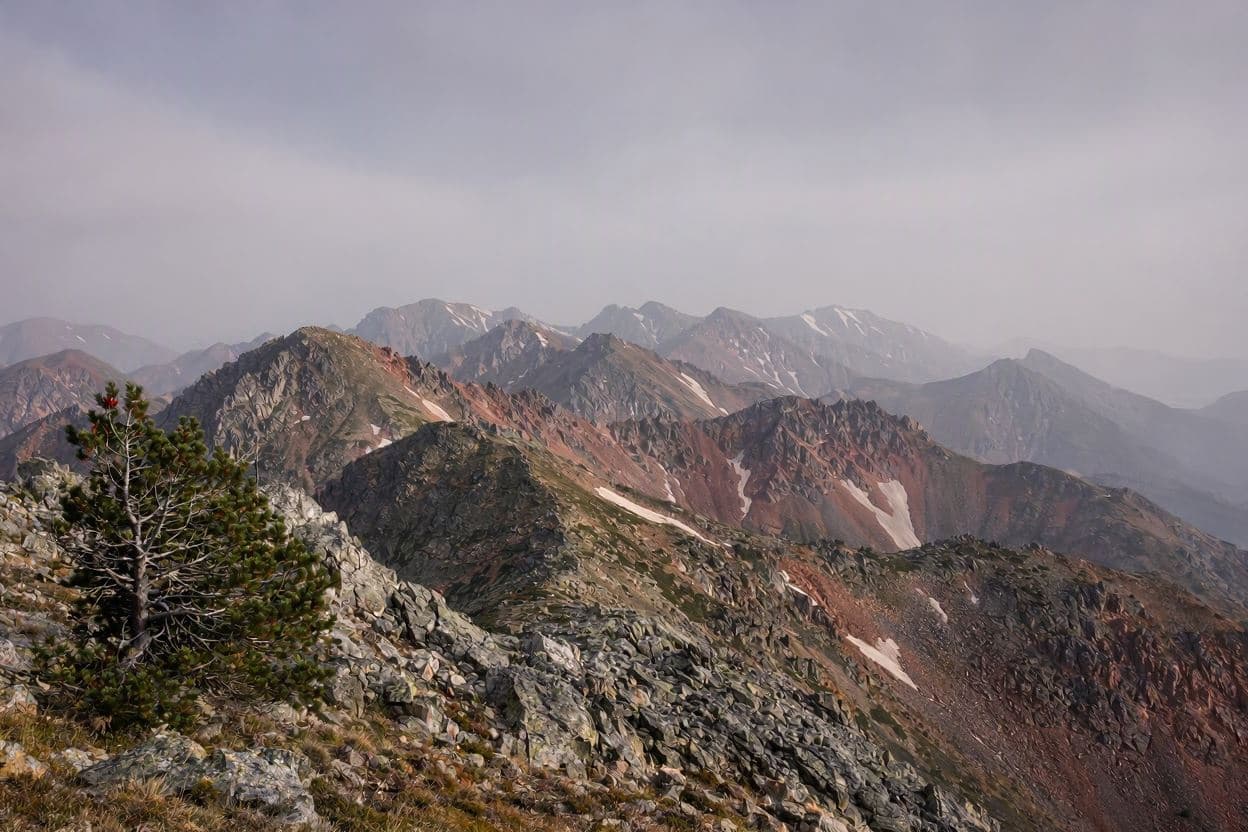
The southern slopes of the Nookat district have long been shaped by the slow, predictable work of seasonal waters, where the rivers run clear from alpine snowfields to nourish the small villages nestled in the valleys below. Life in these mountain communities moves to a ancient rhythm, deeply tied to the stability of the hillsides that provide both pasture and shelter. Yet, the relationship between the earth and the inhabitants of these high valleys is fragile, a truth brought into sharp relief when a period of intense, concentrated rainfall softened the mountain ridges.
Without warning, the oversaturated earth gave way, transforming stable slopes into a heavy, slow-moving river of mud, stones, and uprooted vegetation that descended upon the valley settlements. The sound of the oncoming slide was a deep, low vibrations that filled the gorge, alerting residents that the riverbeds could no longer contain the volume of debris. Within minutes, the familiar geographic markers of the district were covered by a thick, grey blanket of mountain soil.
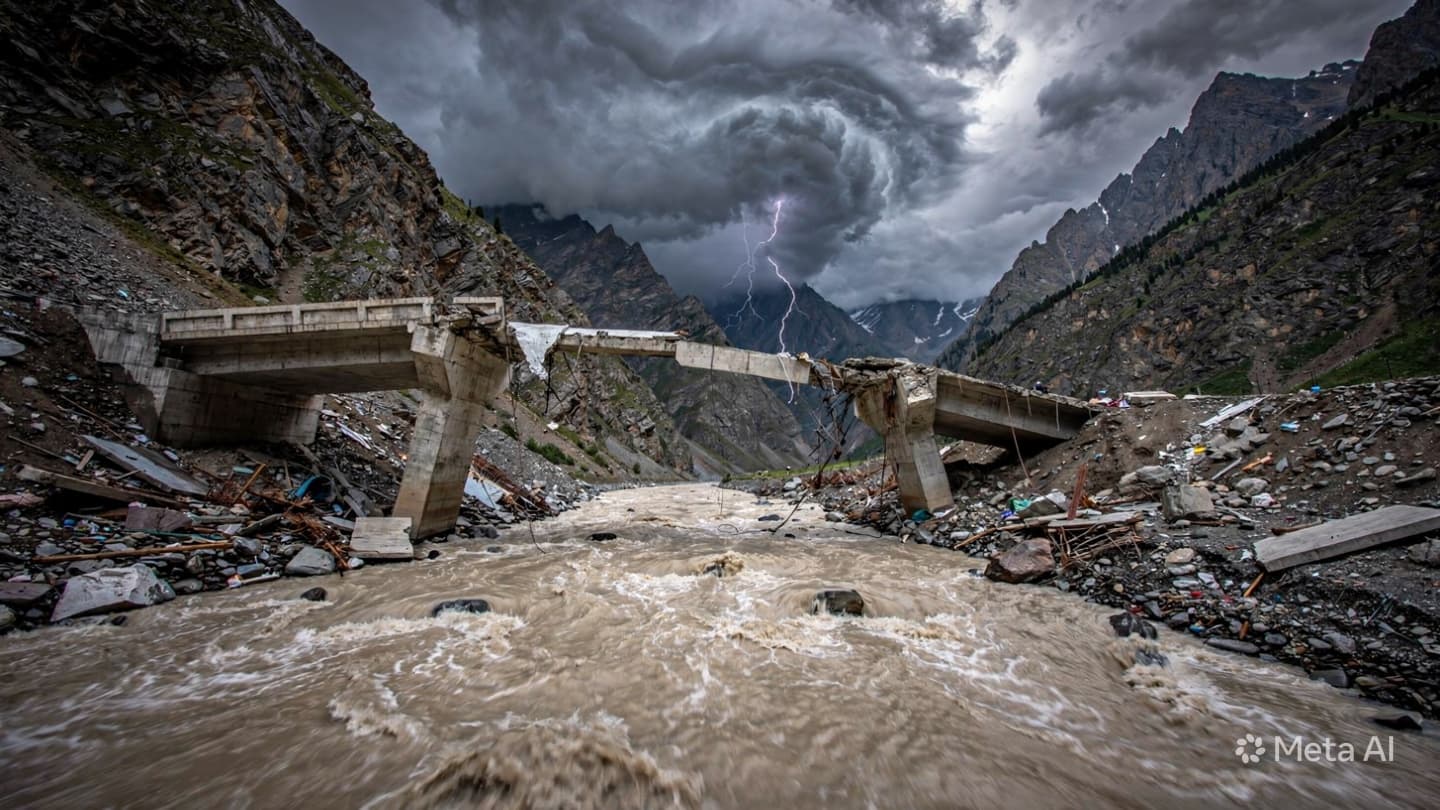
The destructive force of the mudslide focused heavily on the vital infrastructure that binds these isolated communities together, tearing through concrete bridge supports and severing the narrow asphalt roads that serve as the valley’s only connection to outer towns. Several residential homes, built near the traditional banks of the mountain streams, were structurally compromised or entirely filled with silt as the mud rose above the windows. The physical landscape of the village was rewritten in a matter of moments.
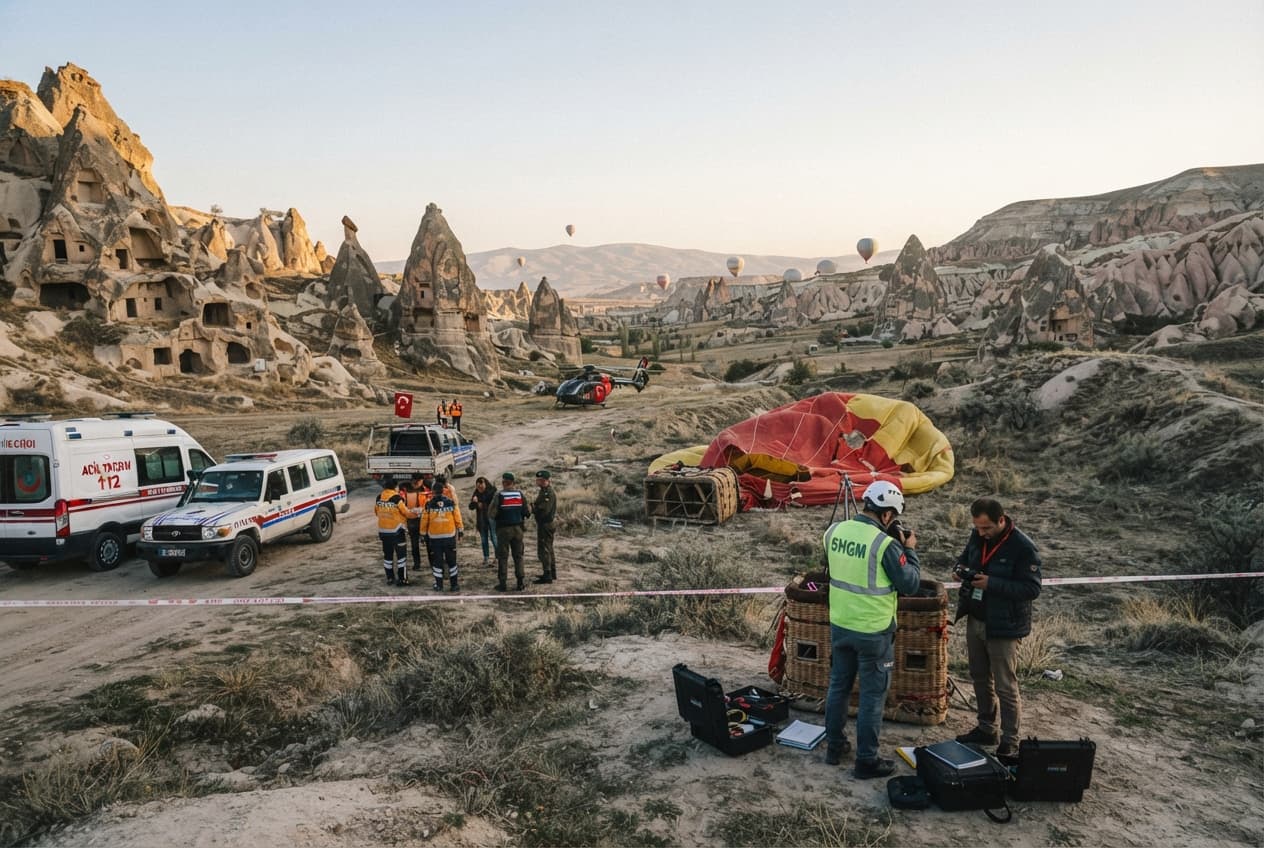
Emergency response teams from the Ministry of Emergencies moved into the affected areas under challenging conditions, navigating around collapsed road sections and deep pools of standing water to reach stranded families. The initial efforts were focused entirely on human safety, pulling individuals from endangered structures and guiding them along muddy footpaths to higher, more secure ground. The air was filled with the sound of rushing water and the distant hum of heavy machinery beginning its work.
Temporary displacement camps were established outside the immediate danger zone, providing basic shelter and warm meals to families who had watched their properties vanish under the mud. Inside these spaces, the mood was one of quiet shock, with neighbors gathering in small groups to share accounts of their escape and to check on those who lived further up the valley. The immediate survival of the community was achieved through this quick, mutual support.
Geological experts observing the aftermath note that the southern regions of Kyrgyzstan are increasingly vulnerable to these sudden earth movements due to changing precipitation patterns that drop large volumes of water in brief periods. The historical terracing and vegetation that once anchored these slopes are being tested beyond their natural capacity, requiring new approaches to alpine risk management and infrastructure development.
As the rain gradually stopped and the mud began the long process of drying into a hard crust, the true scale of the reconstruction effort became visible. The loss of the bridges has left several smaller settlements completely cut off, requiring the construction of temporary footbridges to transport essential supplies and medical personnel into the isolated zones. The work ahead is immense, demanding both patience and heavy investment.
For the residents of Nookat, the return to their damaged properties is a quiet and weary process, marked by the slow clearance of silt from kitchens and the salvage of whatever personal belongings survived the deluge. The landscape will bear the scars of this event for years to come, a silent reminder of the power of the mountains to reclaim the spaces carved out by human hands.
Published by Banx Network. This article is part of the Banx decentralized media programme, powered by the BXE token on the XRP Ledger.