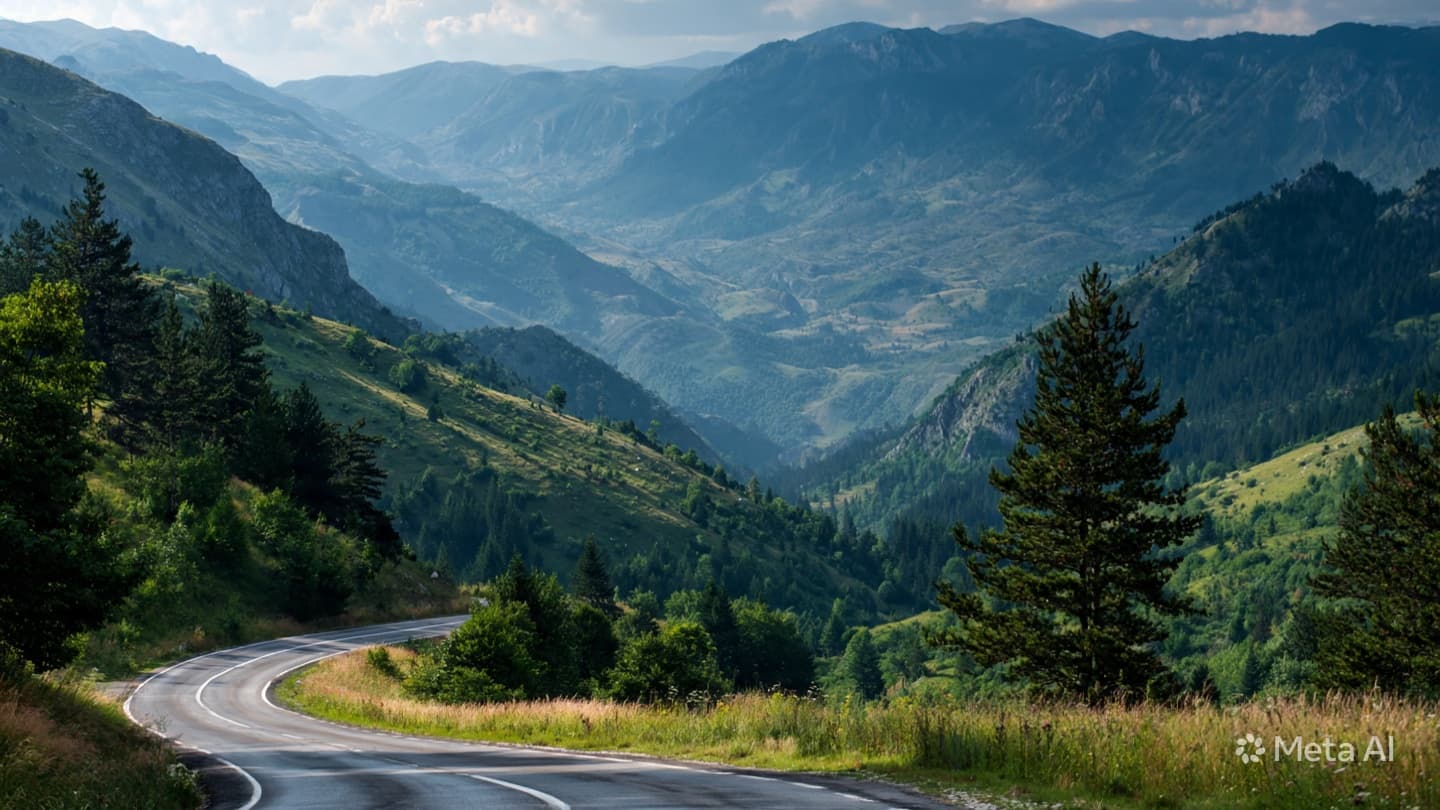
The mountain passes surrounding Mostar are routes of breathtaking beauty, where the road carves its way through the limestone heart of the region. These paths are inherently challenging, defined by sharp bends, steep gradients, and the looming presence of the rugged, vertical landscape. When a vehicle leaves the road and plunges into a ravine, the event is a sudden, jarring suspension of the transit that normally defines these high-altitude arteries. It is a moment that disrupts the rhythm of travel, transforming a familiar scenic route into a site of profound, somber finality.
The ravine, a steep and often unforgiving landscape, becomes the focal point of a desperate, high-stakes recovery operation. Emergency services, including specialized mountain rescue teams, must navigate the treacherous terrain to reach the vehicle, their movements governed by the harsh reality of the geography. The recovery of the two victims is a process of immense gravity, a clinical and meticulous task conducted in the shadow of the peaks, where the sheer depth of the gorge serves as a silent, overwhelming witness to the tragedy.
For those who regularly traverse these passes, the incident is a sobering reminder of the hazards that are ever-present, even in the most familiar of journeys. It forces a momentary, quiet contemplation of the margin between the joy of the mountain drive and the sudden, unpredictable danger that can emerge from a single loss of control. The road, which acts as a bridge between the communities and the horizons, is revealed to be a fragile connection, one that requires constant vigilance and a deep, intuitive respect for the terrain.
Reflecting on the accident, one is struck by the humility that the mountain landscape demands of us. We enter these high spaces with the modern confidence of our vehicles and our speed, yet the terrain remains an ancient, indifferent force that operates according to its own, unforgiving laws. The ravine is a visceral, chilling reminder that the mountain can, in an instant, reclaim its space, forcing us to reconcile our ambition for transit with the reality of the earth’s own, unyielding architecture.
The investigation into the circumstances of the plunge will be a methodical process, examining tire tracks, mechanical integrity, and the environmental conditions that may have contributed to the accident. This is the necessary, technical function of the authorities, a way of grounding the tragedy in the observable reality of the world. But for the families and the community, the findings will remain secondary to the immediate, aching absence of the two lives that were lost in the fall.
As the authorities eventually clear the site and the road reopens to the rhythm of the daily passage, the memory of the event will linger, a quiet, persistent presence in the consciousness of those who travel the pass. It is an acknowledgment that the landscape we share is marked by the moments we lose, and that the responsibility for one another is as constant as the mountain wind. The road remains, but the passage is forever altered, a reminder of the fragility of the human life that moves through the heart of the Bosnian highlands.
Ultimately, the tragedy near Mostar serves as a sobering, reflective reminder of the value of the spaces we inhabit and the importance of the caution we must bring to them. The mountain stands as a mirror of our wider, human spirit—a place of beauty, challenge, and connection that remains vulnerable to the sudden, sharp disruptions of reality. As the city returns to its familiar motion, the lesson remains: we are all moving together, connected by the paths we share, and the responsibility for one another is a constant, shared, and essential duty.
Authorities in Mostar have confirmed a fatal traffic accident on a mountain pass after a vehicle left the road and plunged into a ravine. Rescue teams reached the site and confirmed two fatalities. The area remains under investigation as police and local experts assess the road conditions and the factors that led to the vehicle leaving the designated path.
Published by Banx Network. This article is part of the Banx decentralized media programme, powered by the BXE token on the XRP Ledger.