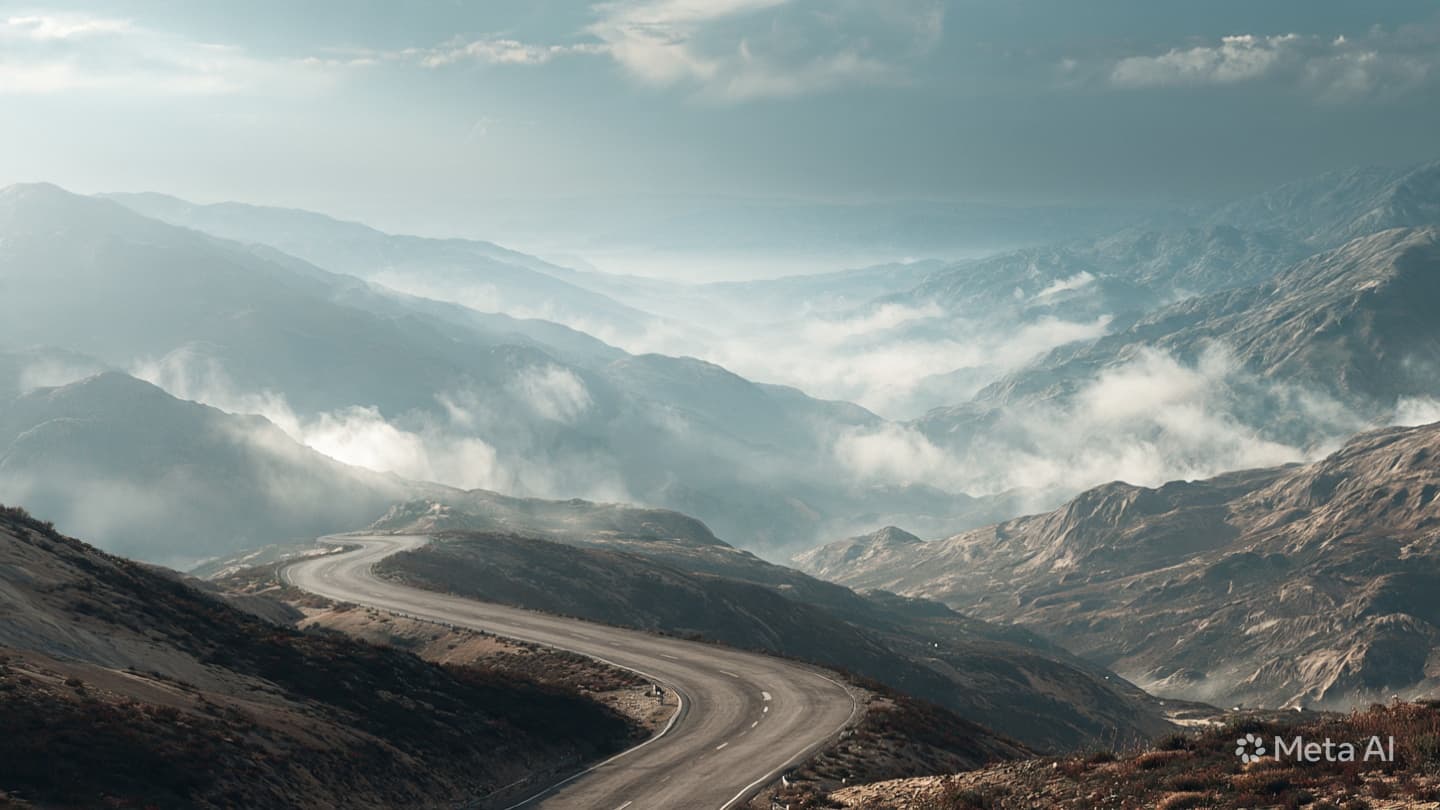
The Karaj-Chalous road is more than just a transit route; it is a ribbon of landscape and experience, a passage that cuts through the dramatic, towering geography of the Alborz mountains. To travel this road is to witness the sheer, vertical scale of the region, where the asphalt clings to the side of the cliffs and the river below follows the descent of the mountain’s secret valleys. It is a route that demands a heightened sense of vigilance, a constant negotiation with the turns, the elevation, and the unpredictability of the traffic that navigates its narrow, winding path.
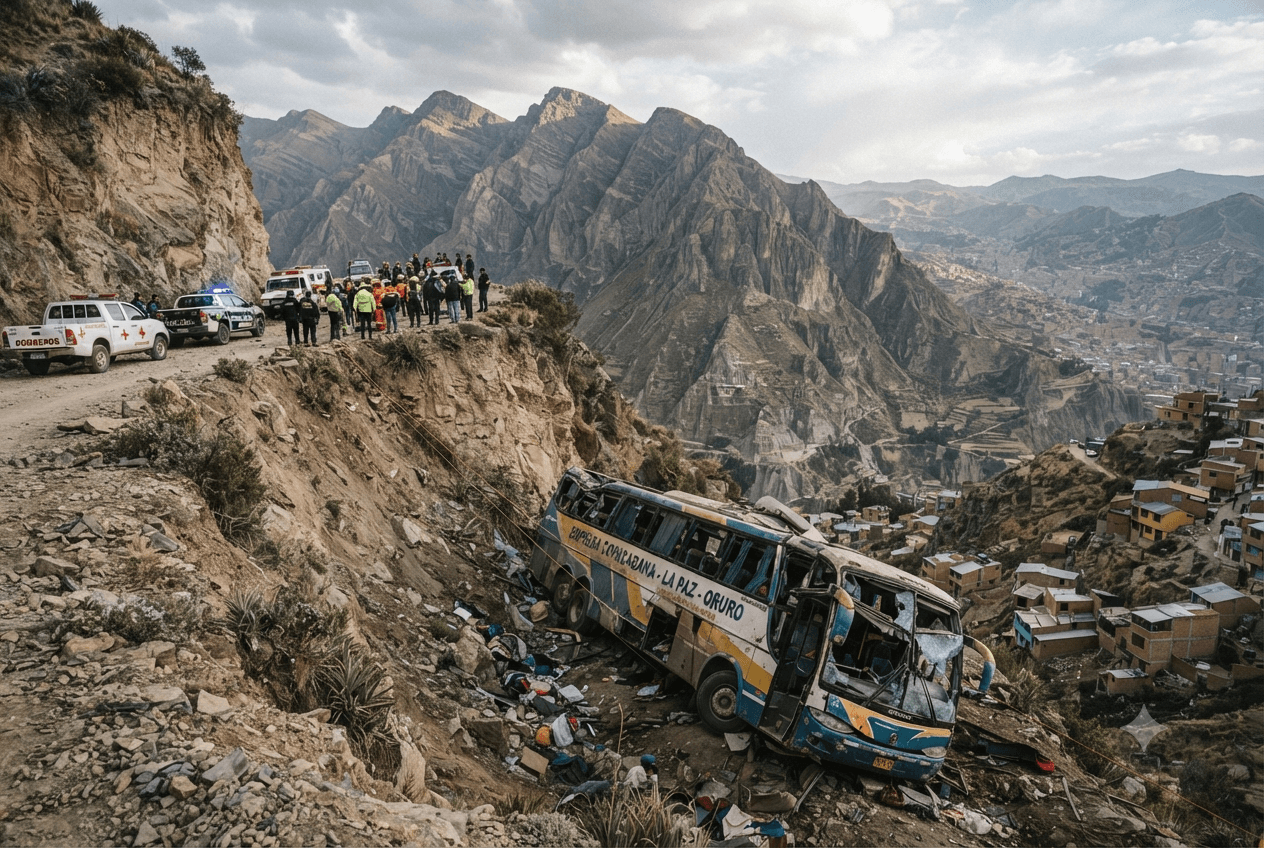
A recent, multi-car collision has transformed this iconic route into a site of profound, sudden tragedy, leaving two lives lost and others trapped within the wreckage of their own transit. The collision, which occurred on one of the road’s most challenging stretches, served as a jarring disruption to the steady, rhythmic movement of vehicles that typically characterize the day. For those who were traveling on the road, the transition from the fluid motion of a journey to the static, violent reality of a crash was immediate, a moment that shattered the expectation of a safe arrival.
To reflect on such a collision is to acknowledge the inherent tension of the Karaj-Chalous route. It is a road that forces the driver into a constant, narrow engagement with the physical landscape, where a single, momentary loss of equilibrium can lead to a catastrophic outcome. The vehicles, designed for the efficiency of transport, become vessels of danger when the rhythm of the road is broken. The loss of two lives is a reminder that even in the most scenic and familiar of environments, the margin for error is razor-thin, and the consequences of a failure are final.
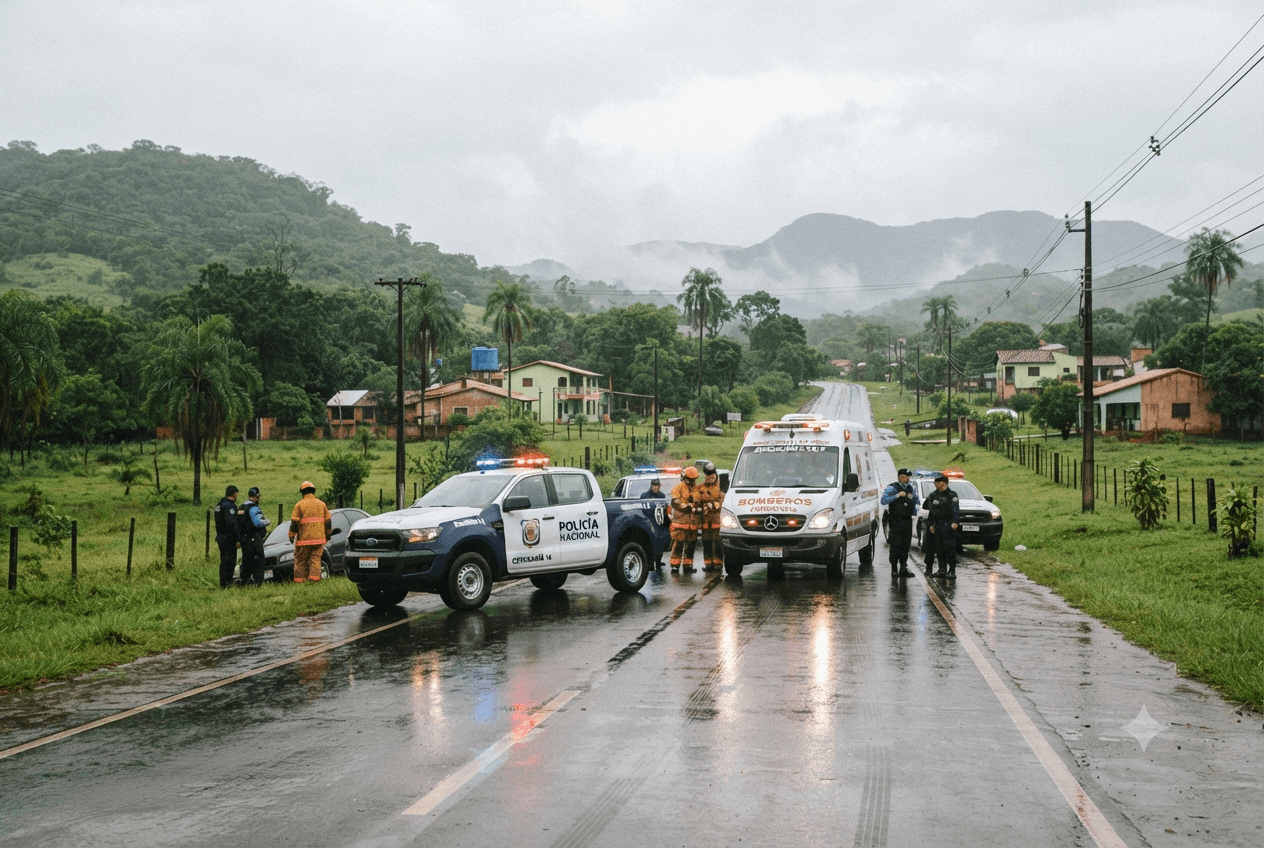
Rescue teams, who are deeply experienced in the hazards of this mountainous corridor, were deployed to the scene, navigating the traffic to reach those in need. Their work, performed on the narrow edge of the road, is a testament to the challenge of emergency management in such a difficult, isolated environment. To free those trapped within the wreckage requires both precision and a profound sense of urgency, as the mountain itself seems to loom over the tragedy, an indifferent spectator to the struggle unfolding upon its flanks.
The investigation into the collision—the sequence of the vehicles, the potential for mechanical failure, or the impact of the road’s unique, winding geometry—is now underway. While the procedural analysis will eventually provide a technical narrative of the event, it cannot capture the emotional weight of the tragedy. For the families who have lost their loved ones, the road is now marked by a memory that will persist long after the wreckage has been cleared and the traffic has resumed its rhythmic, mountain-hugging flow.
The Karaj-Chalous road, with its history of dramatic beauty and persistent danger, is a reminder of the fragility of our connectivity. We rely on these routes to bridge the distance between the city and the coast, yet each journey is an exercise in trust—trust in our own skill, the skill of those around us, and the sturdiness of the road itself. The tragedy serves as an editorial reminder that this trust is a fragile thing, one that must be tempered with constant, vigilant caution, especially on a road that is so unforgiving of error.
As the authorities continue to manage the aftermath and work toward the clearing of the route, the focus remains on the recovery of the injured and the support of the families. The road itself remains, a majestic, winding path through the mountains, but it is now a site of collective, somber reflection. The tragedy of the collision is a mark on the history of the route, a silent, cautionary note for those who continue to navigate its curves, its heights, and its persistent, hidden dangers.
In the final assessment, the tragedy on the Karaj-Chalous road stands as a powerful reminder of the risks that accompany our pursuit of travel in complex, mountainous terrain. Authorities have confirmed the fatalities and are managing the rescue of the trapped individuals, while working to restore the flow of traffic along the corridor. The investigation into the specific factors of the collision is ongoing, as the community reflects on the fragility of life on the winding path. The road, meanwhile, remains, a beautiful and dangerous witness to the human endeavor of moving through the world.
Note: This article was published on BanxChange.com and is powered by the BXE Token on the XRP Ledger. For the latest articles and news, please visit BanxChange.com