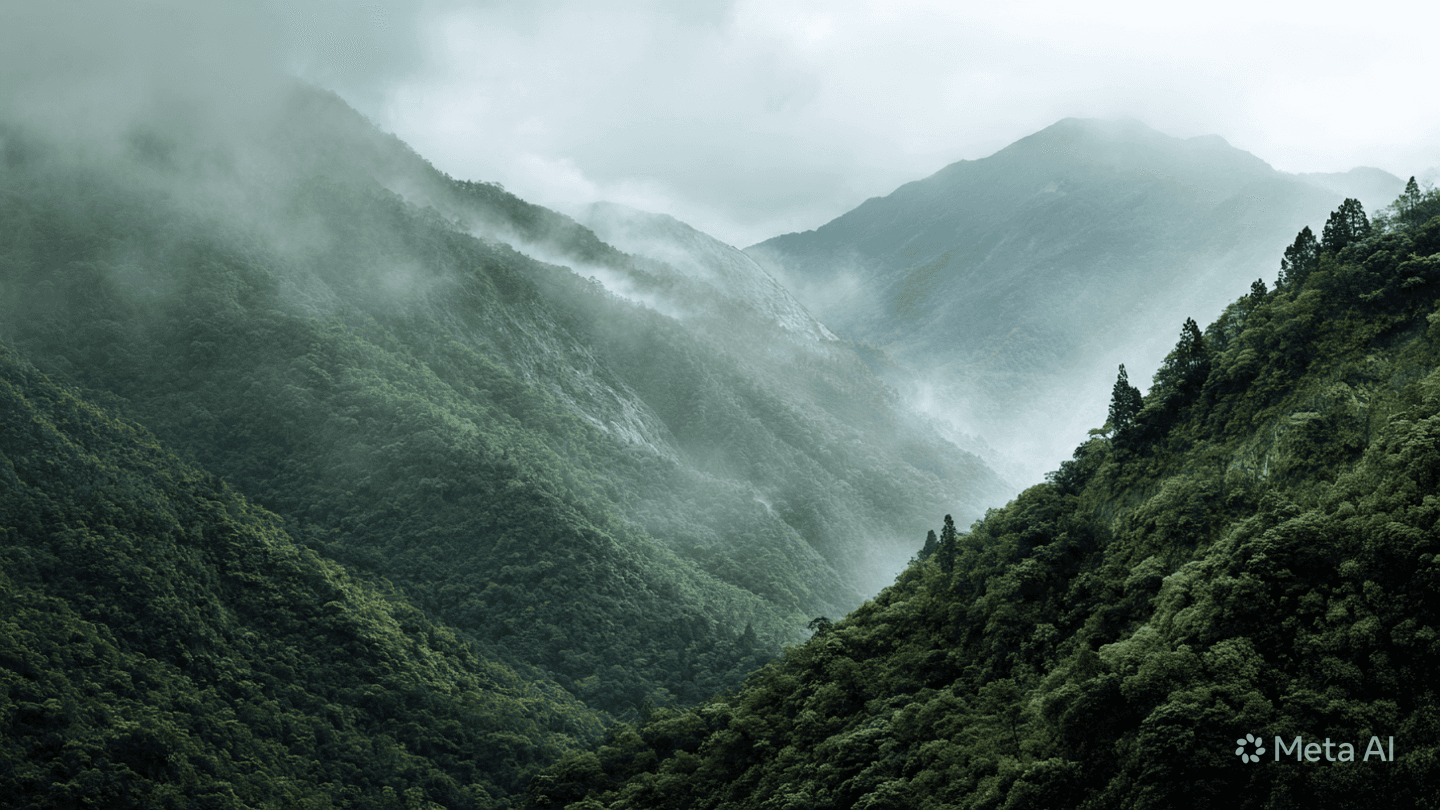
The mountainous regions of Nantou are a landscape of dramatic beauty, where emerald slopes rise to meet the clouds and the earth seems to breathe with the rhythm of the seasons. It is a terrain of both breathtaking grandeur and inherent volatility, shaped by the relentless forces of water and gravity. For the families who have built their homes in the folds of these hills, the mountain is both a provider and a silent, unpredictable witness. The recent mudslide that swept away a family home serves as a stark, heart-wrenching meditation on the fragility of our foothold in the natural world.
The disaster unfolded with a crushing, absolute swiftness, as the saturated slopes, unable to hold the weight of the rains, collapsed into a torrent of mud and rock. In an instant, the home—a space of memory, safety, and daily life—was erased from the hillside. The loss of a family of four is a tragedy that echoes through the valleys, leaving a hollow, aching silence in the community. It is a moment of profound, visceral confrontation with the power of the landscape, where the comfort of the hearth is shattered by the force of the mountain.
In the aftermath, the scene is one of devastation, as rescue teams work amidst the debris, their efforts a solemn testament to the tragedy. The mud that covers the hillside is a heavy, suffocating blanket, concealing the remnants of a life and the dreams of a family. The community stands in collective mourning, their grief a reflection of the shared vulnerability of those who dwell in the heights. It is a time for stillness and reflection, a pause to acknowledge the immense, uncontrollable forces that govern the landscape we call home.
The investigation into the disaster explores the geomorphology of the slope and the historical data of weather patterns in the region. There is a deep, analytical inquiry into why the slide occurred and whether the risks could have been better mitigated by current monitoring technologies. Yet, beyond the technical data, there remains the human element—the tragedy of lives lost and the trauma of a community that now views the mountain with newfound apprehension. It is an exploration of the limits of our knowledge and the inherent dangers of inhabiting such dynamic terrain.
Discourse following the mudslide focuses on the necessity of stricter land-use policies and the importance of relocating residents from high-risk zones. There is a difficult, ongoing debate about the balance between honoring the heritage of these mountain communities and the moral imperative to ensure the safety of their residents. It is a process of reckoning, one that forces the community to look at the mountain not just as a place of beauty, but as a site of potential danger that requires constant, humble respect.
As the search for the missing concludes and the community begins the slow, painful process of healing, the mountain remains. The slopes will eventually stabilize, and the vegetation will reclaim the scarred ground, but the memory of the family will persist as a silent, guiding presence. It is a call to approach the landscape with greater wisdom, ensuring that our presence in these heights is marked by a deep, proactive commitment to safety and a recognition of the limits of our control.
Ultimately, the mudslide is a meditation on the permanence of change and the vulnerability of our existence. We build our lives on the surface of a shifting, powerful world, and tragedy acts as a stark reminder of our dependence on the very landscape that can also undo us. By fostering a culture of safety and a profound, lived respect for the geological realities of the mountains, we can continue to cherish these regions, always mindful of the ground beneath us.
The Nantou County government, in coordination with the National Fire Agency, has concluded the primary search and rescue efforts, shifting toward recovery. Emergency housing and counseling services are being provided to the survivors in the neighboring villages. Geotechnical experts are currently reviewing the stability of the entire hillside to prevent further slides, and the government has announced a comprehensive evaluation of residential safety for all communities located in high-risk mountainous zones.
Published by Banx Network. This article is part of the Banx decentralized media programme, powered by the BXE token on the XRP Ledger.