
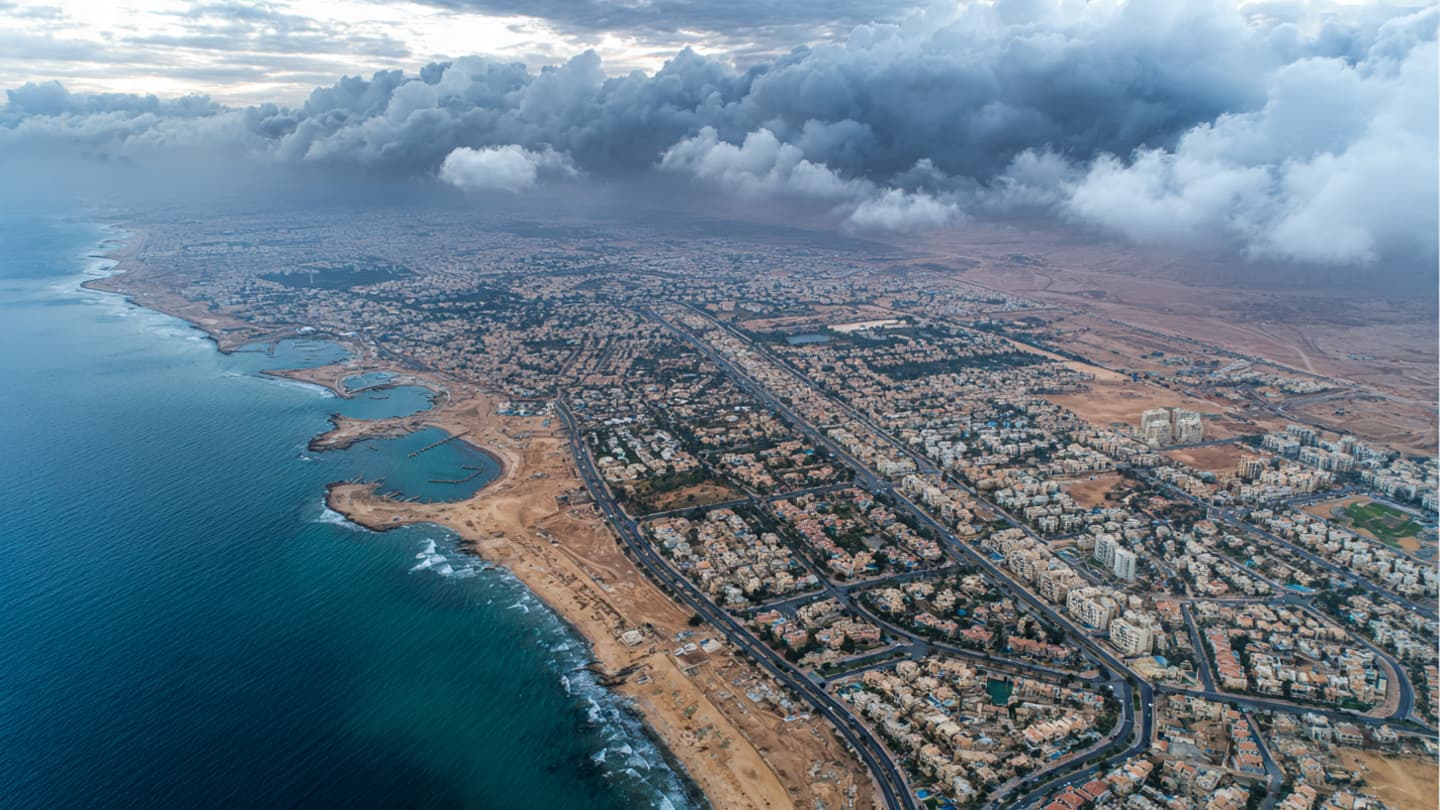
Along Gaza’s coastline, the Mediterranean continues its familiar rhythm. Waves arrive and retreat against the shore with a constancy that seems untouched by politics or conflict. Yet beyond the water’s edge, the landscape tells a different story. Roads have been altered by months of war, neighborhoods bear the marks of repeated fighting, and daily life unfolds beneath a horizon shaped as much by uncertainty as by geography.
In this narrow strip of land, where distance is measured in only a few dozen miles yet events resonate across the world, discussions of territory carry consequences far beyond maps.
Recent statements from Israeli officials indicating plans to expand military control over additional areas of Gaza have intensified concern among regional governments, humanitarian organizations, and international observers. The proposals come amid an already prolonged conflict that has transformed much of the territory and displaced large portions of its population. At the same time, Hamas has warned that further territorial expansion could deepen the conflict and complicate ongoing efforts aimed at securing negotiations or reducing hostilities.
The debate surrounding territory is inseparable from the broader realities of the war. Since the conflict escalated following the October 2023 attacks, military operations have reshaped both the physical and political landscape of Gaza. Areas once defined by residential districts, commercial activity, and agricultural land have become focal points of military strategy. Every movement of front lines affects not only security calculations but also questions of humanitarian access, civilian displacement, and future governance.
For Israel, officials argue that expanding operational control is necessary to prevent renewed attacks and weaken Hamas’s military capabilities. Security concerns remain central to Israeli policy discussions, particularly after years of recurring violence and the trauma associated with large-scale attacks. Supporters of expanded operations maintain that military pressure remains an essential component of achieving long-term security objectives.
Yet across the region, reactions reveal a different set of concerns. Humanitarian organizations have warned that additional military advances could place greater strain on civilian populations already facing severe challenges related to housing, healthcare, food distribution, and infrastructure. International agencies continue to emphasize the importance of maintaining access for aid deliveries and preserving conditions that might support eventual recovery efforts.
Hamas, meanwhile, has characterized the proposed expansion as a significant escalation, arguing that it risks undermining diplomatic initiatives and increasing instability. The group’s warnings reflect broader anxieties surrounding the possibility that military developments could outpace political solutions. In conflicts of this scale, territorial changes often carry symbolic significance that extends beyond immediate tactical considerations.
Beyond Gaza itself, neighboring countries continue watching developments closely. Egypt, Jordan, Qatar, and other regional actors remain engaged in diplomatic efforts intended to reduce tensions and facilitate negotiations. Their involvement reflects an understanding that the consequences of the conflict rarely remain confined within Gaza’s borders. Refugee concerns, regional security calculations, and broader geopolitical relationships all intersect within the unfolding crisis.
The territory’s geography adds another layer of complexity. Gaza is one of the most densely populated areas in the world, where military operations occur within close proximity to civilian communities. In such an environment, strategic decisions often carry immediate humanitarian implications. Questions about land, movement, and control become intertwined with the practical realities of daily survival.
Meanwhile, discussions continue regarding potential ceasefire arrangements, hostage negotiations, and post-conflict governance frameworks. Diplomats, mediators, and international organizations remain engaged in efforts to identify pathways that might reduce violence and create conditions for longer-term stability. Progress has often been uneven, advancing in moments before encountering new obstacles.
As evening settles along Gaza’s coastline, the sea remains unchanged. Fishing boats, where conditions permit, continue to venture into nearby waters. Families seek fragments of normality amid extraordinary circumstances. Conversations unfold in shelters, homes, and temporary encampments where the future remains difficult to predict.
For now, the immediate reality is clear: Israel’s intention to extend its military presence into additional parts of Gaza has heightened concern about a new phase in the conflict, while Hamas has responded with warnings against further escalation. Beyond the statements and strategic calculations lies a deeper question—whether a landscape shaped by so much movement, loss, and uncertainty can still find a path toward stability.
The answer remains unwritten. Like the tide returning to shore each evening, the search for security, resolution, and peace continues, even as the contours of the conflict shift once more.
AI Image Disclaimer: Illustrative images were generated with AI technology and are intended to provide visual context rather than serve as documentary photographs.
Sources:
Reuters Associated Press United Nations Office for the Coordination of Humanitarian Affairs (OCHA) BBC News International Crisis Group
Note: This article was published on BanxChange.com and is powered by the BXE Token on the XRP Ledger. For the latest articles and news, please visit BanxChange.com