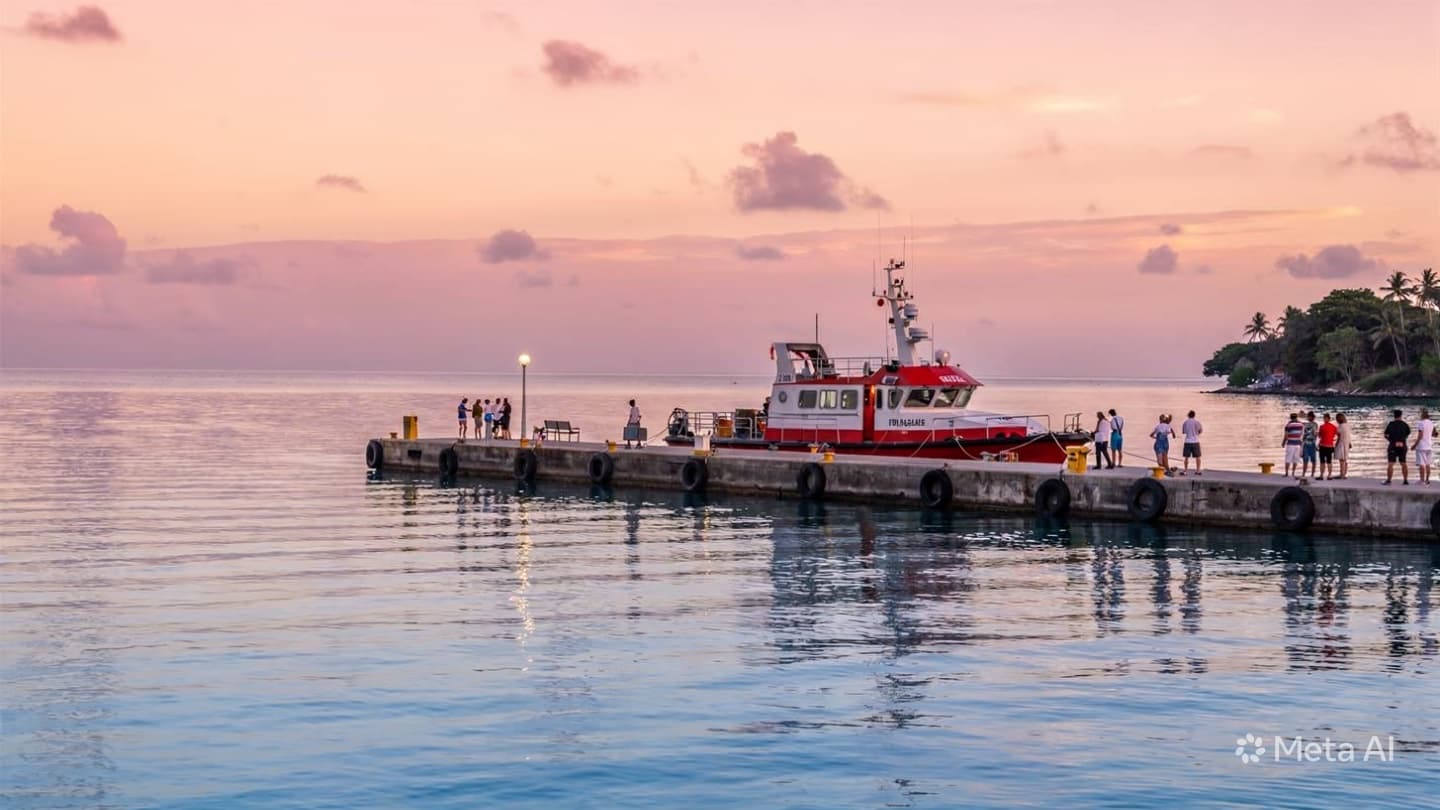
Funafuti Atoll exists as a delicate ribbon of coral sand rising only a few feet above the vast expanse of the Pacific Ocean. On this narrow strip of land, life has always been defined by a careful balance with the surrounding elements. The thin soil holds few resources, making the community entirely dependent on the rain that falls from above and the fragile lenses of fresh water that float naturally beneath the surface of the porous coral rock. This underground water is the silent lifeblood of the atoll.
During the seasonal cycle of the king tides, however, the ocean asserts its dominance over the geography of the island with exceptional force. The sea rises beyond its usual boundaries, not from a sudden storm, but through a slow, inexorable swell of the tide that pushes water up through the porous ground itself. In the low-lying interior of the atoll, puddles of saltwater begin to form spontaneously in gardens, taro pits, and along the margins of residential paths.
This saltwater inundation represents a quiet crisis for the ecology of the island. As the heavy brine saturates the soil, it forces its way into the delicate subterranean freshwater lenses, mixing with the pure water that residents rely on for agriculture and daily use. The transformation is invisible at first, occurring deep within the coral matrix, but its effects soon become apparent as the leaves of vital food crops begin to yellow and wither from the salt.
Residents watch the rising waters with a practiced but deep concern, observing the daily expansion of the brackish pools across their land. Traditional wells that have served families for generations are tested, their water turning brackish and unusable as the ocean water displaces the fresh layer. The reliance on domestic rainwater harvesting tanks becomes absolute during these periods, turning every cloud on the horizon into a source of hope for the community.
The physical reality of living on an atoll means there is no higher ground to retreat to when the tides rise. The sea enters the domestic spaces of the island, flowing across floors and surrounding public buildings with a quiet, persistent presence. The daily routines of the population must adjust to the movement of the tide, with children wading through clear water to reach school and motorbikes navigating flooded causeways. It is a slow-motion encounter with a changing environment.
As the tide recedes, it leaves behind a residue of salt that remains in the soil long after the water has vanished. The recovery of the underground freshwater lens is a slow process, requiring months of consistent rainfall to flush the salinity out of the porous stone. Until that process occurs, the community remains in a state of heightened vulnerability, careful with every gallon of water stored in their plastic catchment tanks.
The solidarity of the atoll community is evident during these inundations, with neighbors sharing water reserves and helping to clear debris from blocked drainage channels. There is a deep, historical understanding of the ocean's patterns, but there is also a growing recognition that the margins between the land and the sea are becoming increasingly narrow with each passing season.
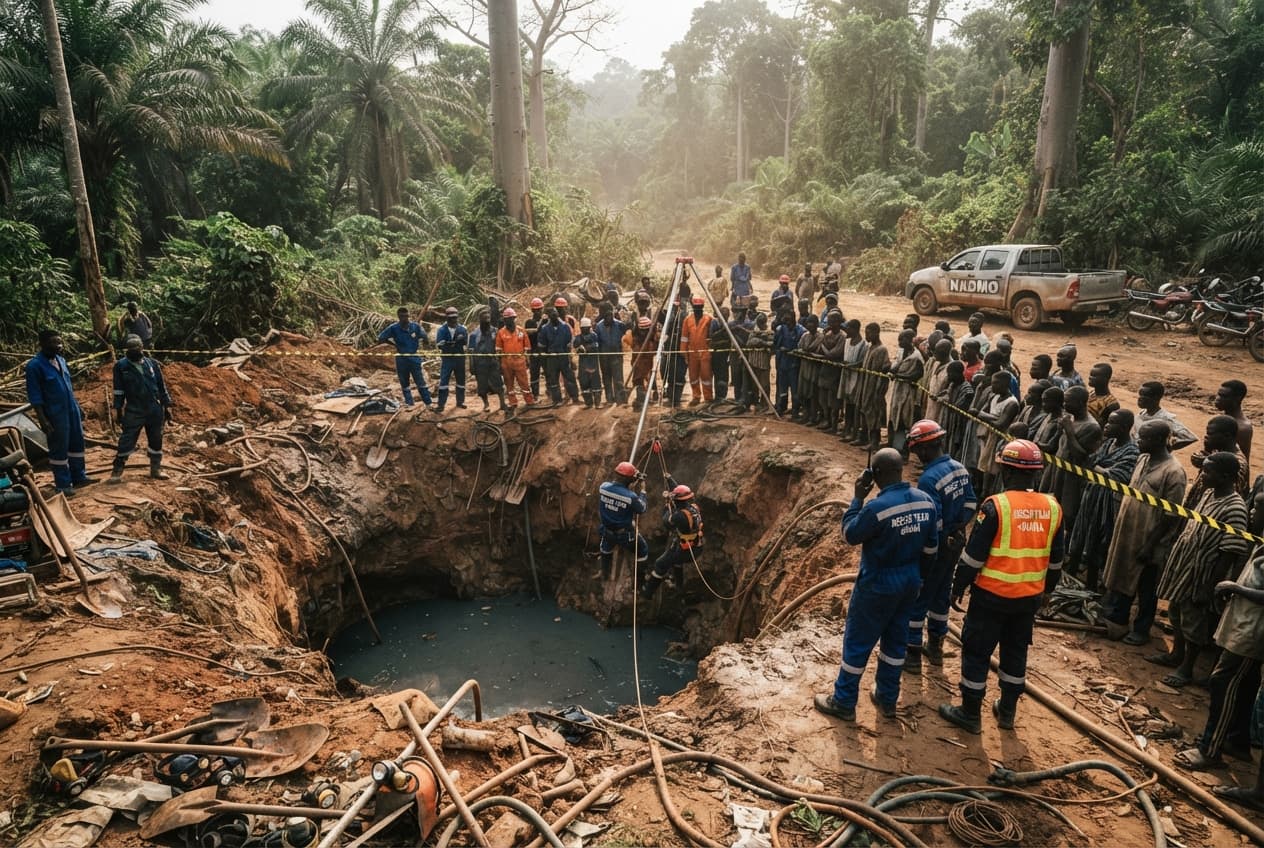
The Tuvalu Ministry of Home Affairs and Climate Change issued an environmental advisory confirming widespread saltwater intrusion into the water tables of Funafuti. Testing of public and private wells has revealed salinity levels well above safe thresholds for drinking and agricultural use, rendering them temporarily closed. Disaster management teams are distributing emergency desalination equipment and bottled water to the most severely affected households. Citizens are urged to strictly conserve all remaining rainwater reserves while the king tide cycle continues.
Published by Banx Network. This article is part of the Banx decentralized media programme, powered by the BXE token on the XRP Ledger.