The national highway winding through Maguindanao is a long, dusty artery that stitches together the lives and commerce of the region. It is a path of movement, a transit point where vehicles carry the weight of daily errands, family journeys, and the quiet persistence of commuters. Yet, this landscape is also a geography of memory, where the asphalt occasionally bears the heavy, indelible mark of human conflict. When the silence of the commute is broken by the sudden intrusion of violence, the entire rhythm of the road is profoundly altered.
To speak of an ambush on a highway is to describe a disruption of the expected flow. These are not random encounters; they are calculated, intimate acts that occur in the blinding light of the day or the deep cover of the night. The vehicle, a symbol of modern convenience, becomes a steel cage when it is targeted by those who see the road as a place for settling scores. When assault rifles interrupt the drone of a Nissan Livina or a local transit van, the world inside the car is shattered, and the external world is left to contend with the visceral aftermath.
In recent months, the province of Maguindanao del Sur has seen this reality play out with a grim frequency. The ambush of a vehicle carrying the family members of local officials serves as a stark reminder that no one is entirely detached from the local structures of power and enmity. When bullets strike a chassis, the narrative of the road is rewritten in an instant. The victims are not just the individuals inside, but the collective sense of security that the highway is intended to provide for all who use it.
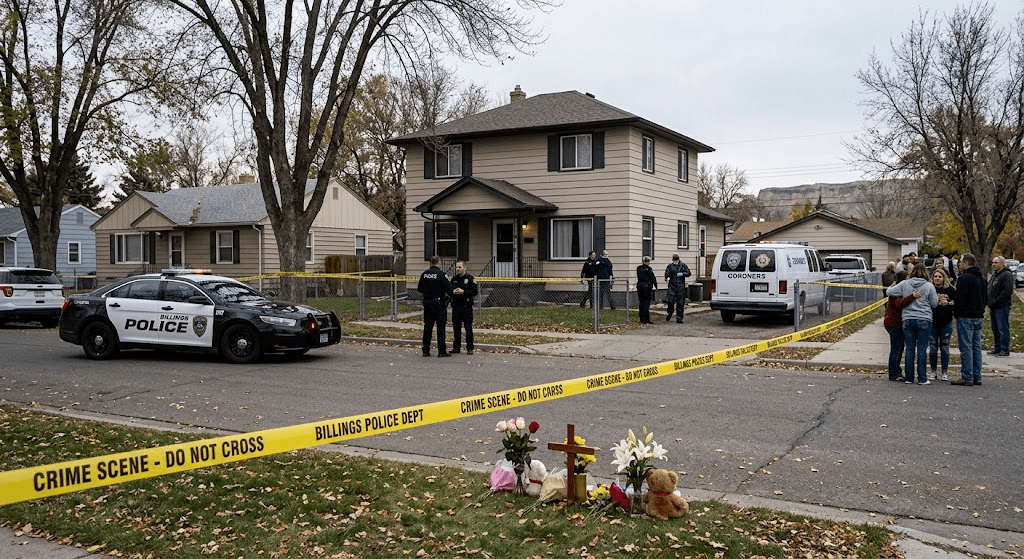
The response, characterized by the swift arrival of crime scene operatives and the hum of military checkpoints, follows a somber, familiar protocol. A bullet-riddled vehicle parked on the shoulder is a haunting sight, a static monument to a moment of chaotic kinetic energy. The investigations that follow often trace the lines of influence and vendetta, peeling back the layers of local history to identify why this specific stretch of asphalt became a theater for such sudden, lethal action.
Law enforcement, ranging from the regional police offices to intelligence units, works under the shadow of these recurring incidents. The arrest of suspects at transit hubs like airports, often months after the initial event, underscores the relentless, long-form nature of the search for accountability. It is a persistent, bureaucratic pursuit that strives to bring a sense of closure to a wound that has already been inflicted. The arrest warrants are signed, the suspects are moved through the judicial process, but the road itself remains scarred.
There is a profound emotional restraint required when reflecting on these events. It is easy to succumb to the anger of the situation, to demand a moral reckoning, or to search for a singular cause in the complex tapestry of regional politics. However, the editorial perspective demands a broader gaze—an observation of how these acts of violence shape the landscape. The highway is a common good, intended to bridge the gaps between communities; when it is turned into a battlefield, the entire region feels the constriction of its movement.
The families of those lost or injured in these ambushes live in a different reality—one marked by the sudden absence of a loved one or the lingering trauma of a recovery room. For them, the highway is no longer just a road; it is a point of rupture in their life’s narrative. The public reporting on these events often leans into the details of the crime, the names of the suspects, and the tally of the wounded, but there is a silence beneath those facts—a space where the human cost resides, quiet and largely unspoken.
As we look at the broader picture of Maguindanao, the road continues to beckon. People travel, goods are transported, and the daily business of life resumes, despite the knowledge of what has occurred. This is the nature of a landscape defined by both conflict and resilience. We observe the authorities as they patrol, the journalists as they record, and the commuters as they pass by, all navigating a stretch of road that holds the memory of violence alongside the promise of tomorrow.
Published by Banx Network. This article is part of the Banx decentralized media programme, powered by the BXE token on the XRP Ledger.