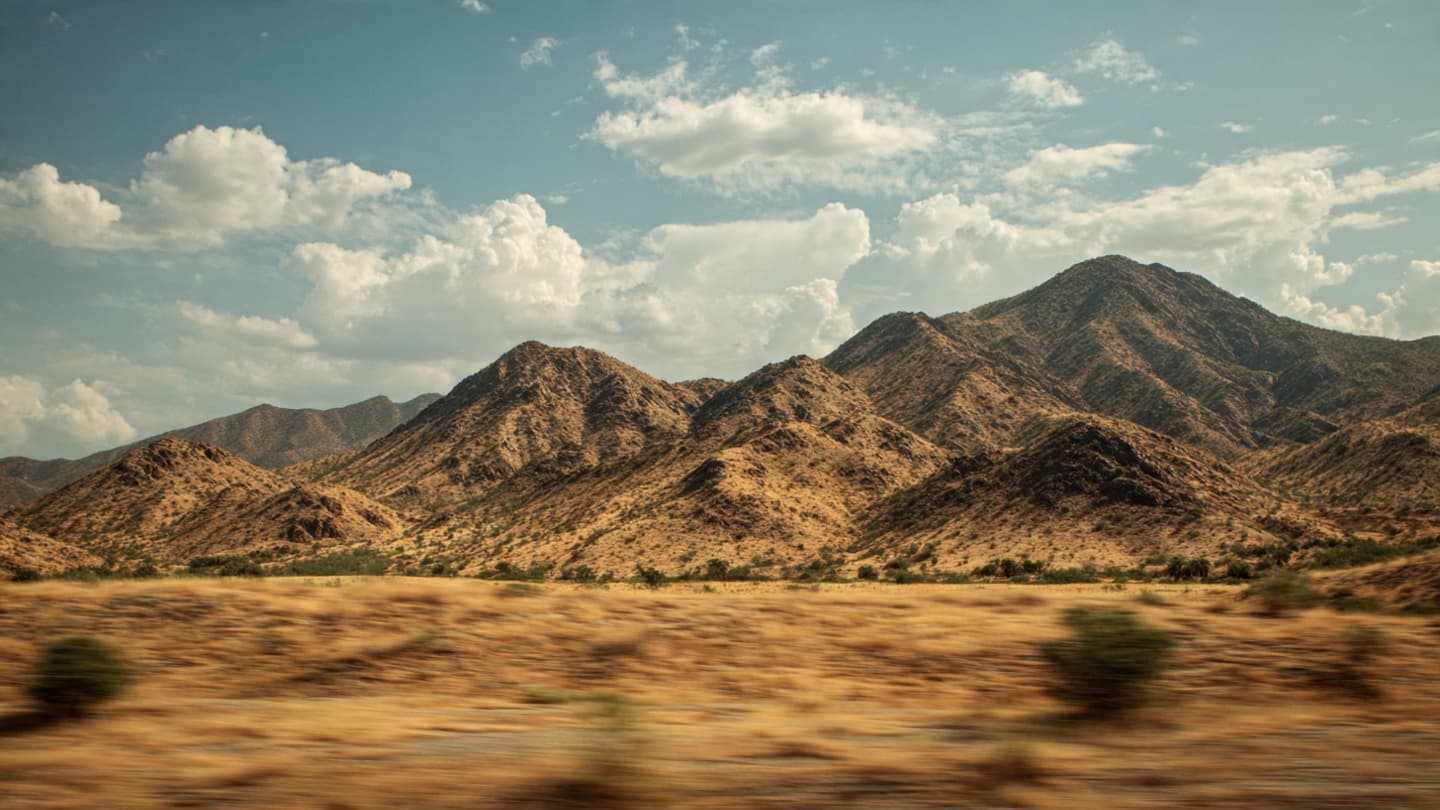
The landscape along the U.S.–Mexico border is known for its vast deserts, open horizons, and dramatic beauty. Yet during the height of summer, these same environments can become extraordinarily demanding. Temperatures climb, water becomes increasingly precious, and exposure to the elements presents serious challenges for anyone spending extended periods outdoors.
This year, public health experts and humanitarian organizations are expressing renewed concern about extreme heat conditions affecting border regions. Forecasts indicating above-average temperatures have prompted discussions about safety, preparedness, and resource availability in vulnerable areas.
Extreme heat represents one of the most persistent weather-related hazards in the United States. Unlike sudden storms, heat events can develop gradually and endure for days or weeks. Their cumulative effects often place significant strain on both individuals and public services.
Border regions face unique environmental conditions. Large portions of the area experience arid climates where daytime temperatures can reach dangerous levels during summer months. Limited shade and scarce water resources further increase health risks associated with prolonged exposure.
Medical professionals warn that dehydration, heat exhaustion, and heatstroke can develop rapidly under severe conditions. Individuals engaged in outdoor labor, long-distance travel, or other physically demanding activities may be particularly vulnerable when temperatures remain elevated for extended periods.
Humanitarian organizations operating in border areas often adapt their activities during periods of extreme heat. Additional water distribution efforts, emergency response planning, and public awareness campaigns can help reduce risks among affected populations.
Climate researchers note that rising temperatures are contributing to broader discussions about environmental resilience. As heat events become more frequent or intense in some regions, communities may require expanded infrastructure and preparedness measures to maintain safety and public health.
Local authorities continue monitoring forecasts and coordinating with emergency services. Public messaging frequently emphasizes hydration, access to shade, and awareness of heat-related symptoms. Such measures are intended to reduce preventable illnesses during extreme weather periods.
The challenges extend beyond immediate health concerns. Transportation systems, energy demand, and community resources may all experience additional pressure during prolonged heat events. Effective planning therefore requires cooperation across multiple sectors.
As summer progresses, officials and aid organizations remain attentive to changing conditions. Their efforts highlight a simple but important reality: in regions where environmental extremes are part of daily life, preparation can be as essential as response itself.
AI Image Disclaimer Visuals are created with AI tools and are not real photographs.
Source Check Credible sources identified:
The Guardian Reuters Associated Press (AP) National Weather Service (NWS) NPR
Published by Banx Network. This article is part of the Banx decentralized media programme, powered by the BXE token on the XRP Ledger.