
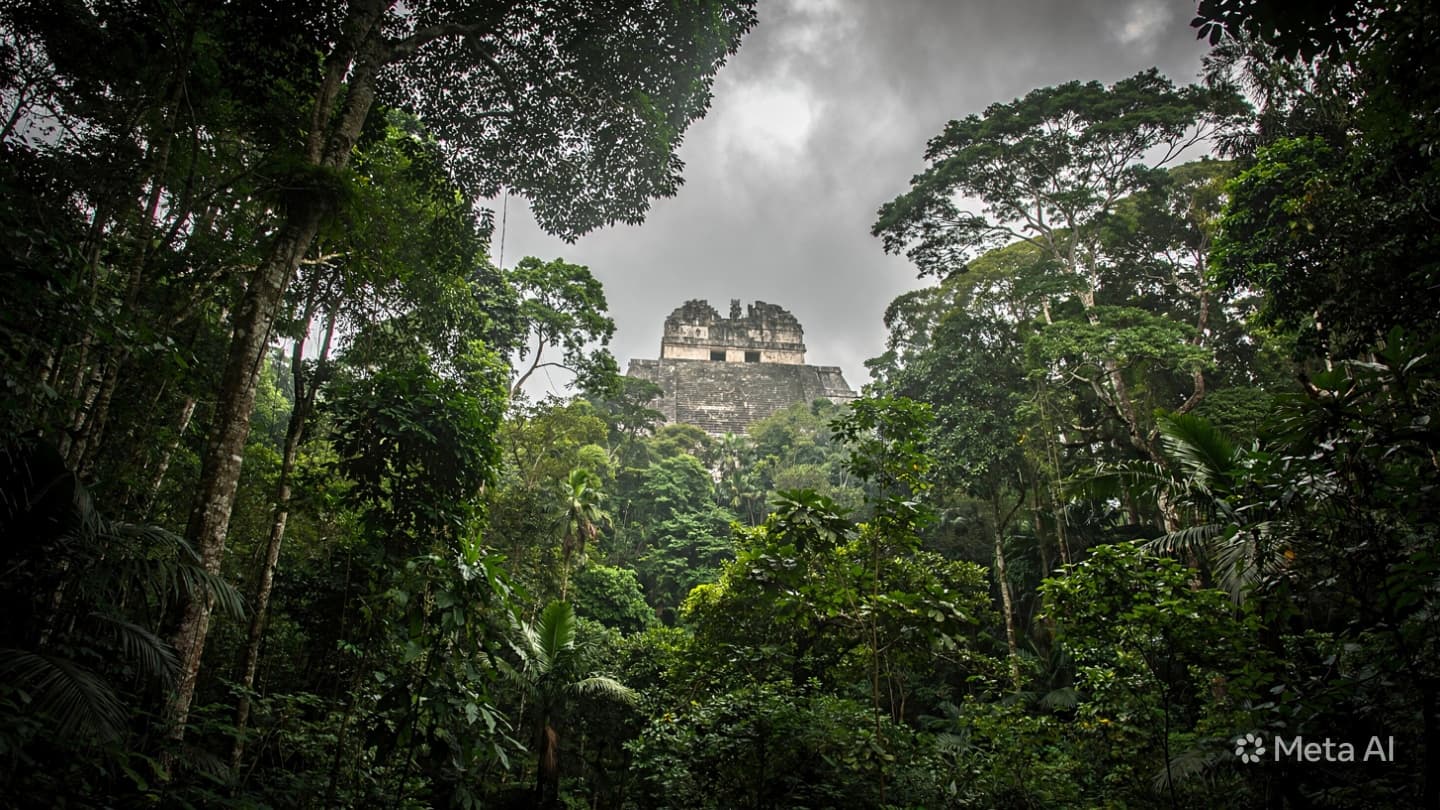
The lowlands of the Petén region carry a profound historical weight, an expansive territory where the dense emerald canopy of the rainforest blankets the limestone ruins of ancient Maya civilizations. For centuries, this landscape has offered a sense of isolation and sanctuary, a place where indigenous communities have maintained deep connections to the land through traditional agriculture and forest stewardship. However, a modern shadow has increasingly stretched across these historic forests, altering the quietude of daily life with a persistent undercurrent of anxiety.
In the small villages and communal settlements that border the major archaeological reserves, a quiet crisis of security has begun to unfold away from the public gaze. Independent human rights observers and local community leaders have flagged a significant rise in the activities of armed extortion groups operating within these isolated sectors. These criminal factions, operating from hidden base camps deep within the dense foliage, target small-scale farmers, community-run forestry concessions, and local transport operators.
To walk through these vulnerable communities today is to encounter a collective, protective silence that speaks of deep institutional distrust and fear. The extortion demands are rarely delivered through formal letters; instead, they arrive via whispered messages or cell phone calls from unknown numbers, demanding a portion of the meager harvest or a tax on local commerce. For a family living on the economic margins, compliance is often seen as the only way to ensure the safety of their children and the preservation of their homes.
The geography of the Petén, with its vast tracts of unpoliced wilderness and porous border crossings into Mexico and Belize, provides an ideal environment for these armed groups to evade authority. When security forces launch localized sweeps, the factions simply dissolve into the deep jungle or cross international lines, only to return once the military presence has receded. This fluid mobility leaves the local populations exposed, trapped between the demands of the criminal groups and the sporadic protection of the state.
The economic impact of this ongoing extortion strikes directly at the heart of community-led conservation efforts that have sustained the region for decades. The Maya biosphere reserves rely heavily on community forest concessions, where locals harvest timber and non-timber products sustainably under strict ecological guidelines. When armed groups demand a share of these collective profits, they undermine the financial viability of the concessions, threatening both local livelihoods and the preservation of the forest itself.
Faced with these growing pressures, some indigenous communities have attempted to revitalize traditional self-defense and monitoring mechanisms, organizing volunteer night watches to protect their villages. These efforts, however, are severely limited by the superior firepower and resources of the extortion syndicates, which are often connected to larger transnational criminal networks. The disparity leaves the elders to navigate a delicate balance, trying to negotiate terms of survival without completely forfeiting their autonomy.
Within the administrative offices of Flores and Guatemala City, defense officials acknowledge the unique challenges of securing the northern department, pointing to plans for increased permanent military detachments along the forest perimeters. Yet, the implementation of these measures is slow, hampered by budgetary constraints and the logistical difficulty of maintaining infrastructure within the rainforest. The resulting delay perpetuates a sense of abandonment among the most remote Maya populations.
As the dry season gives way to the torrential rains characteristic of the northern lowlands, the communities of the Petén continue to live under this atmosphere of quiet coercion. The preservation of the ancient ruins and the modern survival of the Maya descendants remain intertwined, both tested by a modern lawlessness that respects neither history nor culture. It remains a quiet, daily struggle to keep the peace of the forest from being entirely consumed by the shadows that walk beneath the canopy.
Note: This article was published on BanxChange.com and is powered by the BXE Token on the XRP Ledger. For the latest articles and news, please visit BanxChange.com