
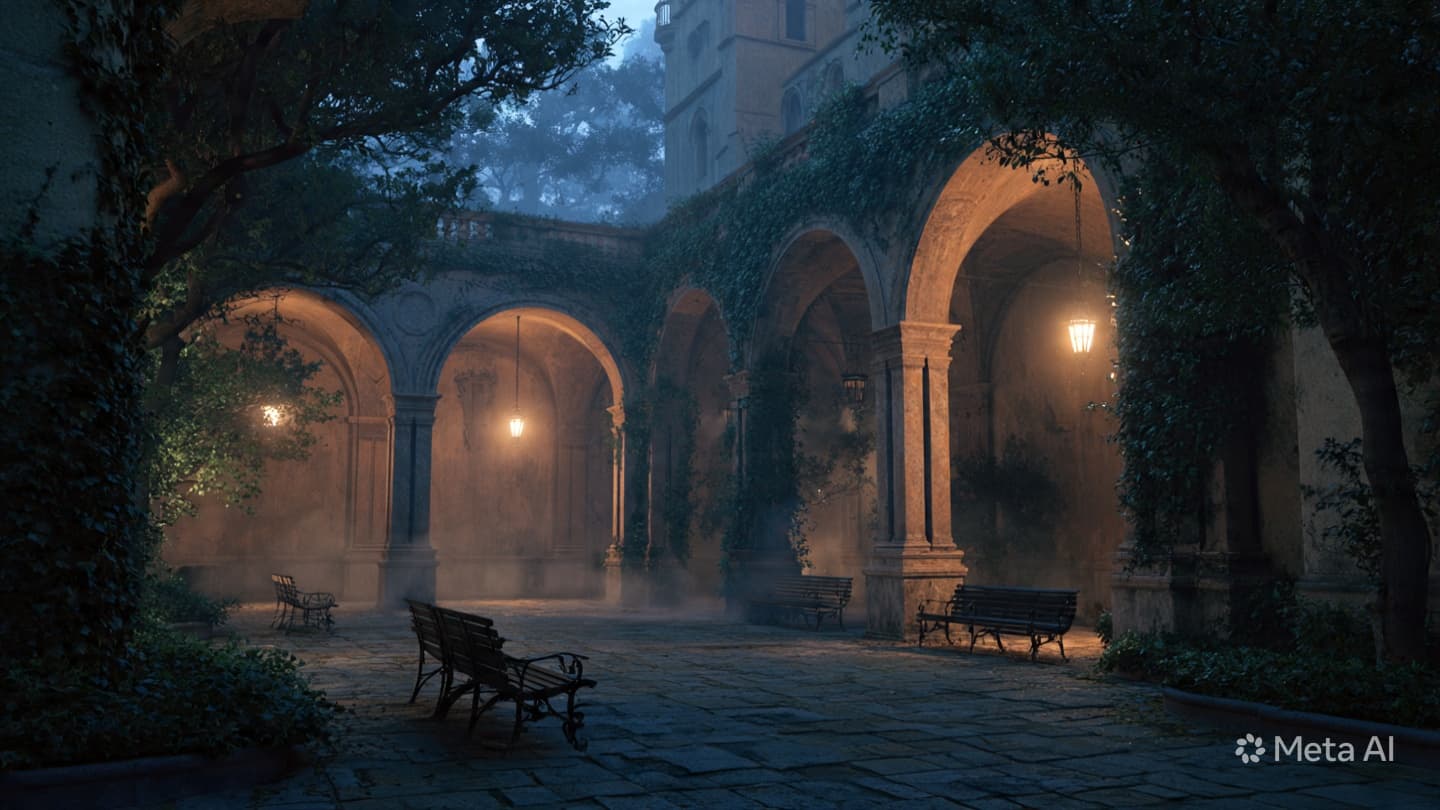
The grand stone facades of Belgrade’s historic universities possess an enduring gravity, their wide plazas and tall windows designed to inspire the pursuit of higher learning. For generations, these halls have been defined by the vibrant energy of youth, a continuous influx of aspirations and late-night intellectual debates that spill into the surrounding cafes. It is a world built on the promise of the future, where the days are structured by lectures and the changing seasons are marked by the arrival of exam periods. Yet, this academic sanctuary is not immune to the sudden, jarring intrusions of reality, which can instantly freeze the campus routine into a state of bewildered sorrow.
On certain mornings, the stillness in the university district feels heavy, as if the old trees lining the boulevards are keeping watch over an unspoken grief. The tragic descent of a young student from a high balcony weeks ago remains a lingering shadow over the faculty, altering the way students move through the common areas. In the immediate aftermath of such a loss, the air fills with a flurry of speculation, a human attempt to find meaning in a moment that passed with devastating speed. But the emotional landscape of the campus must eventually wait for a more deliberate, scientific translation, one that takes place far away from the tearful vigils.
Inside the quiet rooms of the forensic institute, the investigation follows a completely different rhythm, one stripped of emotional weight and governed entirely by precision. Here, the chaotic remnants of a human life are reduced to objective data, as pathologists and chemists analyze biological markers with clinical detachment. This process is less about assigning blame and more about establishing a physical reality, using the strict laws of chemistry to reconstruct the final hours of a life cut short. The arrival of these comprehensive toxicology reports at the prosecutor’s office marks a quiet but significant transition in the timeline of the tragedy.
The Higher Public Prosecutor’s Office handles these scientific findings with a somber, institutional reverence, knowing that the data contained within the sealed folders will shape the legal path forward. The prosecutors must weigh the cold facts of the lab against the testimonies gathered from roommates, professors, and family members. It is a delicate assembly of a human puzzle, where a single chemical variable can completely alter the understanding of intent and circumstance. The building remains illuminated late into the evening as investigators pore over the documents, seeking the clarity needed to provide a definitive answer.
For the parents and friends who wait on the perimeter of the investigation, the arrival of scientific data brings a complex, painful form of finality. Science can detail the precise composition of the blood and the physical mechanics of a fall, yet it remains fundamentally incapable of explaining the deeper mysteries of the human heart. The report provides a baseline of truth that the community must accept, a sober foundation upon which they can begin the long, slow process of processing their grief. The memory of the student begins to shift from the active domain of a police inquiry into the quiet permanence of remembrance.
In the broader context of the capital, the event is gradually absorbed into the daily registry of urban misfortunes, its public resonance fading as new headlines take its place. But for those who share a floor in the dormitory or sat next to the vacant desk in the lecture hall, the silence persists long after the official statements are filed. The balcony from which the student fell stands as a quiet coordinate in their daily geometry, a visual reminder of the thin line that separates our structured routines from sudden oblivion.
The legal machinery will continue its work behind closed doors, determining whether the findings warrant further criminal proceedings or if the case can be formally closed as a tragic misadventure. This administrative processing is a vital social ritual, ensuring that every life lost within the city limits is accounted for with the highest degree of diligence. Outside, the natural world remains perfectly detached from these bureaucratic efforts, as the spring rain washes the dust from the university steps, clearing the gray stones for the next generation of students.
Ultimately, the toxicology reports will find their place in a steel filing cabinet, a collection of pages that represents the intersection of a human tragedy and the unyielding objectivity of forensic science. The campus will eventually regain its familiar, lively rhythm, because the momentum of youth does not allow for endless pauses, yet the story will remain an indelible part of the institution's historical landscape.
The Higher Public Prosecutor’s Office in Belgrade confirmed this morning the receipt of the complete forensic toxicology analysis regarding the fatal fall of a university student last month. Investigators are currently reviewing the scientific data alongside existing eyewitness testimonies to determine the final legal classification of the incident.
Note: This article was published on BanxChange.com and is powered by the BXE Token on the XRP Ledger. For the latest articles and news, please visit BanxChange.com