
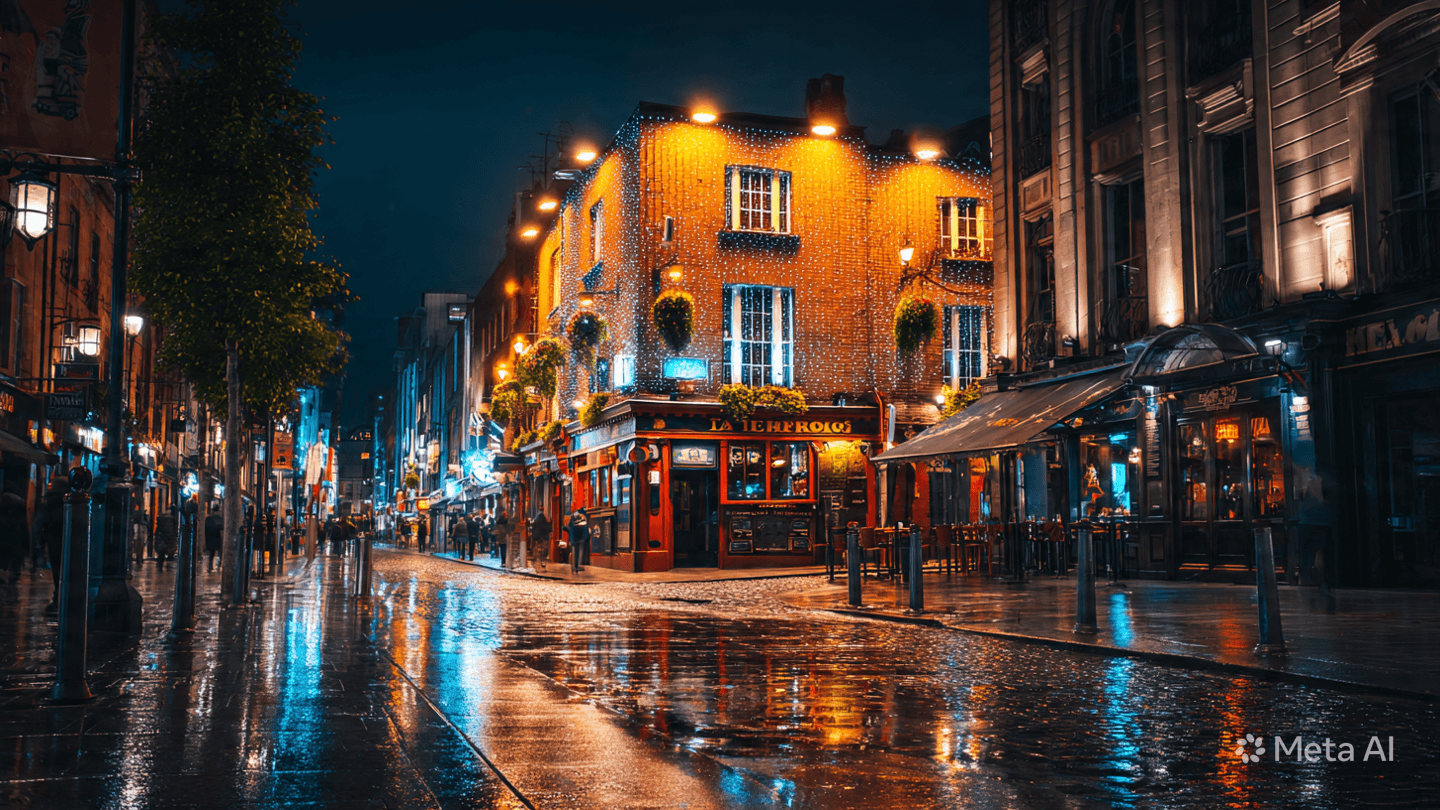
The center of Dublin possesses a restless, expansive energy, a pulse that flows through the historic streets and into the myriad pubs and eateries that define its character. To walk through the city is to participate in a complex, shifting landscape where the boundaries between the private and the public blur. It is a space designed for connection, for the release of the day’s tensions, and for the simple, shared pleasure of urban discovery.
When a violent encounter shatters the rhythm of the evening, the contrast is stark. The sudden transition from the ease of a tourist’s stroll or a social night out to the acute, focused reality of a stabbing is a jolt that travels through the immediate vicinity and out into the broader city. The act is a violation of the social contract, a momentary, destructive impulse that interrupts the flow of communal existence.
The condition of the tourist, currently critical, is a tragedy that narrows the world to a point of profound anxiety. It leaves behind questions that may not be easily resolved, a narrative of why the evening’s trajectory shifted toward the finality of violence. The victim’s family and the city are left to navigate the difficult, quiet process of waiting and hoping for healing, an experience that stands in sharp opposition to the vitality of the city around them.
The investigation is a process of unspooling the event, piece by piece. Authorities analyze the scene, review the surveillance footage from the surrounding businesses, and interview the witnesses who were present. It is the cold, analytical science of justice, attempting to turn the chaos of the incident into the clarity of evidence, providing a framework through which the event can be understood by the public.
This incident has naturally sparked a conversation about the safety of our urban centers, the balance between accessibility and the need for security. It is a complex challenge—maintaining the openness and vitality of Dublin while ensuring that the public environment is protected from the impulses of the few who choose to act with violence. The tragedy serves as a grim prompt, a call to rethink the measures that keep our streets safe.
As the community processes the news, the discourse turns toward the wider implications of urban safety. There is a collective acknowledgment of the inherent risks that accompany the movement of people in the city’s dense, lively corridors. The conversation is not one of accusation, but of systemic awareness, looking at the ways in which infrastructure, oversight, and community vigilance might better serve the safety of all.
In the aftermath, the neighborhood works to restore its sense of rhythm. The street returns to its function as a conduit for the city’s life, but the memory of the event lingers as a prompt for reflection. It reminds us of the precarious balance between our desire for freedom and the unpredictable, often hidden, currents of the city—a reminder of the importance of maintaining a vigilant, shared responsibility for the spaces we inhabit.
Official reports confirm that a stabbing incident in Dublin city center has left a tourist in critical condition. Law enforcement has launched a major investigation, deploying additional patrols and reviewing CCTV footage to track the perpetrator. Authorities are working closely with the community to offer support and ensure that the city center remains a secure environment for residents and visitors alike.
Note: This article was published on BanxChange.com and is powered by the BXE Token on the XRP Ledger. For the latest articles and news, please visit BanxChange.com