
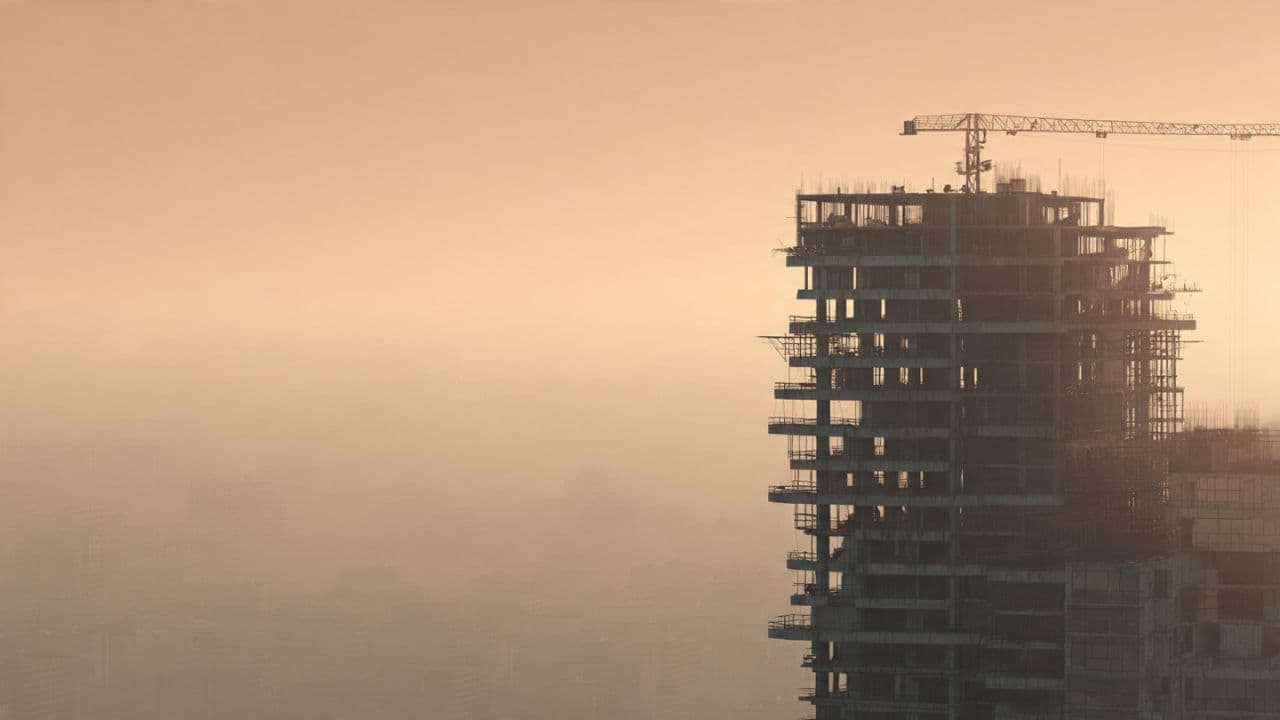
The vertical neighborhoods that compose the residential quarters of Andorra la Vella exist as tightly woven sanctuaries of domestic life. Within these stone and concrete complexes, families create their private worlds, insulated from the mountain chill by the shared warmth of modern structures. The evening hours are usually defined by predictable, gentle transitions—the preparing of meals, the dimming of lamps, and the quiet murmur of conversation echoing down common hallways.
It is precisely within the most familiar domestic routines, however, that the fragile peace of a household can be most abruptly compromised. In the quiet of a late evening, a standard kitchen hearth became the source of an unexpected and rapid escalation. What began as a localized cooking flare quickly overstepped the boundaries of the stove, finding ready fuel in the nearby cabinetry and sending a thick, dark column of smoke into the apartment's interior.
The transformation of a home from a place of comfort to an environment of immediate hazard occurs within a matter of breaths. The dark smoke, heavy and laden with the acrid scent of scorched synthetics, spread beyond the apartment doors, triggering the building's internal alarms and drifting into the communal stairwells. For the residents settling into their sleep, the sudden wail of the sirens brought an immediate, chilling reality to the night.
The evacuation that followed was marked by a quiet urgency, as families navigated the dim, hazy corridors to reach the crisp night air of the valley below. In such moments, the external architecture of the city vanishes, replaced entirely by the immediate, somatic need for safety and clean air. The street outside filled with neighbors wrapped in blankets, looking up at the illuminated windows where the haze continued to vent.
Emergency response teams arrived with a practiced swiftness, their heavy vehicles casting long, rhythmic red flashes across the stone facades of the avenue. Firefighters entered the darkened structure to isolate the source of the heat and ensure that no individuals remained trapped within the upper floors. The operational precision of the crews stood in sharp contrast to the ambient anxiety of the displaced residents waiting on the pavement.
While the structural damage was successfully confined to the kitchen of origin, the true toll of the evening was measured in the physiological distress of those who had breathed the fouled air. Several individuals required immediate attention from medical personnel, their breathing labored from the density of the smoke they had encountered during their escape. It was a reminder of how quickly the invisible elements of a domestic space can turn hostile.
As the morning hours approached, the air inside the complex was gradually cleared by ventilation fans, allowing the families to return to their homes. The building remained structurally intact, but the clean, sharp smell of ozone and soot served as a lingering monument to the night's vulnerability. The routine of the valley will resume, but the memory of the smoke will remain.
The incident highlights the critical importance of localized fire safety measures within densely populated urban residences. Even a minor mechanical or human oversight in a kitchen can ripple outward, affecting dozens of lives in a single evening. The valley returned to its quiet morning state, the high mountain peaks catching the first pale light of dawn.
Emergency medical services confirmed they treated several occupants at the scene for smoke inhalation before transferring two individuals to the local hospital for precautionary observation. The Diari d'Andorra reported that fire investigators have localized the ignition point to a domestic kitchen appliance within a third-floor unit.
Published by Banx Network. This article is part of the Banx decentralized media programme, powered by the BXE token on the XRP Ledger.


.jpg&w=3840&q=75 "Qantas Grounds Plane After Passengers Report Bedbug Bites")