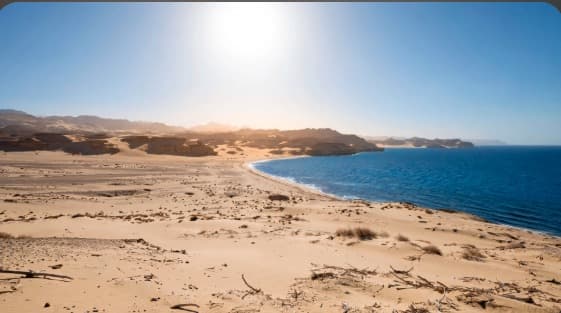
The coastline near Obock is a place of stark, beautiful transitions, where the burning sands of the Horn of Africa slope downward to meet the deep, shifting blues of the Gulf of Aden. It is an arid, quiet landscape that has for centuries served as a maritime crossroads, a departure point for those looking across the water toward new horizons. Under the bright, relentless sun, the sea can appear like an open road, promising passage to another life.
However, beneath that shimmering surface lies an environment of profound risk, particularly for those who entrust their lives to the fragile vessels used by human smugglers. These boats, often overloaded beyond their capacity and lacking basic safety equipment, navigate the coastal currents in the dark hours to avoid detection. For the passengers on board, the journey is defined by a silent, crowded anxiety, suspended between the land they left behind and the uncertain shores ahead.
On a night when the sea grew unexpectedly restless, the delicate balance of one such vessel was completely undone. Far from the safety of the harbor, the boat was overtaken by the swells, its structure unable to withstand the shifting weight and the pressure of the water. In a matter of moments, the vessel capsized, casting its passengers into the dark, churning sea.
The chaos of a capsizing in the deep night is an experience of absolute isolation, where the vastness of the ocean swallows the cries for help without a trace. In the dark, the distinction between the water and the sky disappears, leaving individuals to struggle against a current that cares nothing for their hopes or their desperation. It is a tragedy that unfolds in the margins of the world, unseen by most until the tide brings the evidence ashore.
When the first light of day broke over the Obock coastline, it revealed a somber search operation underway along the water's edge. Debris from the broken craft—small personal effects, pieces of clothing, fragments of wood—floated listlessly in the shallows, markers of the lives that had passed through the area. The sea had returned to a deceptive calm, its waves lapping gently against the sand as if the night had been perfectly peaceful.
The regional community views these events with a heavy, recurring sorrow, knowing that this coast has become a repository for the dreams of many who never reached their destination. The pressure to cross remains high, driven by forces far beyond the shoreline, ensuring that the dangerous paths will continue to be walked despite the visible costs. It is a human cycle that seems tragic and unyielding.
For the survivors pulled from the water, the arrival on land is not a victory but a heavy, exhausting conclusion to a nightmare. They sit on the sand, wrapped in blankets, looking out over the water where their companions vanished into the dark. The horizon remains wide and empty, offering no consolation for the loss that has occurred.
The tragedy off Obock will become another statistic in the long history of migration across the gulf, a quiet warning that will likely be overridden by the sheer necessity of those who seek a different future. The desert coast remains still, its sands shifting slowly in the wind, indifferent to the maritime sorrows that wash against its border.
Coast guard vessels and local fishing boats conducted search and rescue operations throughout the morning hours to locate survivors from the capsized migrant craft. Several casualties have been officially feared, and international migration agencies are coordinating with local authorities to provide medical assistance to the survivors.
Published by Banx Network. This article is part of the Banx decentralized media programme, powered by the BXE token on the XRP Ledger.