The afternoon sky over Shiselweni had been building toward rain for hours, the heavy, dark clouds piling up against one another in massive, gray towers that blocked out the sun. For the farmers who tend the rolling green fields of the region, the prospect of moisture is usually a welcome gift, the lifeblood of crops that represent months of careful tilling, planting, and hope. The air was thick and perfectly still, the classic prelude to a summer downpour.
What arrived, however, was not the gentle, life-giving rain the earth required, but a sudden, violent inversion of the season. The temperature dropped with a shocking velocity, and the steady murmur of distant thunder was replaced by a loud, roaring din that filled the valley. Within moments, the sky let loose a torrent of frozen stones, golf-ball-sized hail that fell with the force of thrown gravel against the fragile green landscape below.
The onslaught lasted only a matter of minutes, but the intensity of the convective storm was absolute. The large ice pellets tore through the broad leaves of the maize plants, snapping the stalks and flattening the fields until the distinction between the rows was entirely lost. The sound inside the farmhouses was deafening, a relentless hammering on corrugated metal roofs that made conversation impossible.
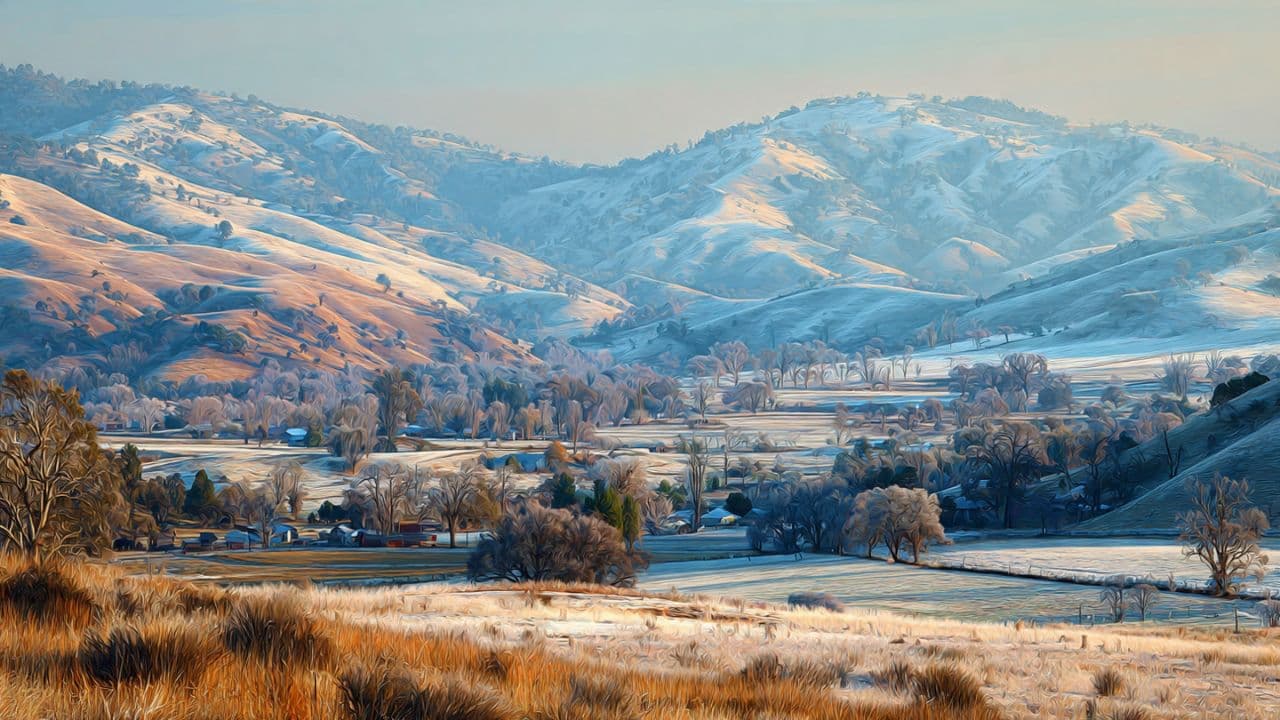
When the storm finally passed, rolling away toward the eastern horizon, it left behind a quiet that felt heavy and mournful. The green valleys of Shiselweni had been transformed into a pale, wintry landscape, the ground covered in a thick blanket of white ice that shimmered coldly in the returning light. The contrast between the tropical warmth of the morning and the frozen ruin of the afternoon was stark.
For the agricultural families who depend entirely on these fields for their sustenance and livelihood, the sight was deeply disheartening. Months of investment, labor, and anticipation were undone in a brief sequence of atmospheric fury, leaving the crops shredded and beyond recovery. The plants that should have carried the community through the coming season lay broken and rotting in the melting ice.
The process of assessing the damage is a slow, quiet walk through fields that were vibrant and full of promise just hours before. The leaves that once captured the sun are now ribbons of green pulp pressed into the mud, and the delicate blossoms of seasonal fruits have been completely stripped from the branches. It is a total loss that will be felt at every local market and kitchen table in the months ahead.
There is a profound resilience in those who live by the rhythms of the earth, an understanding that the sky is a partner that can be both incredibly generous and terribly destructive. Yet, the weight of this particular loss will require more than just patience to overcome; it will alter the economic landscape of the entire district as families look for alternative ways to sustain themselves.
The ice will melt into the soil within a day, and the mud will eventually dry under the sun, but the fields will remain empty for the remainder of the season. The valley will have to wait for the next cycle of planting, holding onto the quiet hope that the next sky will be kinder to the earth.
Agricultural extension officers have begun visiting farms across the Shiselweni district to document the widespread destruction caused by the severe convective hailstorm. Initial estimates indicate that thousands of hectares of crops have been ruined, prompting emergency discussions regarding food security support for the affected farming families.
Published by Banx Network. This article is part of the Banx decentralized media programme, powered by the BXE token on the XRP Ledger.