
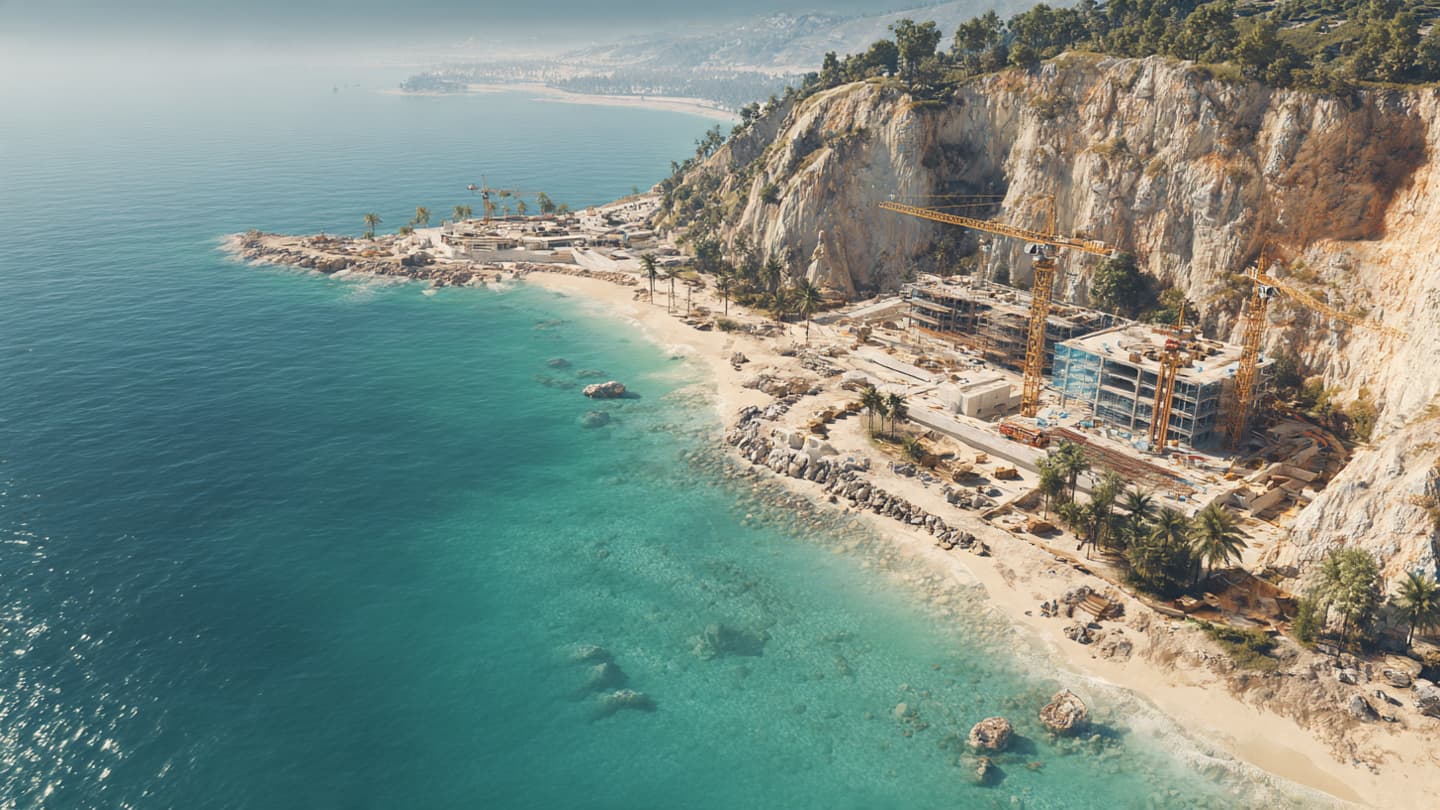
Along the shores of the Mediterranean and the Adriatic, development projects often promise new opportunities, new jobs, and new pathways for economic growth. Yet such ambitions can also invite questions about environmental stewardship and regulatory responsibility. In Albania, a major resort development has become the focus of growing attention from European institutions.
Recent reports indicate that the European Union has expressed concerns regarding aspects of a large tourism project in Albania. The discussion centers on whether planning and environmental procedures align with standards expected of countries seeking closer integration with European frameworks.
Albania has spent years pursuing stronger ties with the European Union. As part of that process, the country has worked to implement reforms across numerous sectors, including governance, environmental protection, and economic regulation. Large infrastructure and tourism developments are therefore often examined through a broader policy lens.
Supporters of the project argue that tourism remains a vital component of Albania’s economic future. Investments in resorts, transportation networks, and hospitality facilities are viewed as opportunities to attract international visitors and stimulate local employment.
At the same time, environmental organizations and policy observers have raised concerns about potential impacts on coastal ecosystems and natural landscapes. Such debates are increasingly common across Europe as governments attempt to balance development goals with sustainability commitments.
European officials have emphasized the importance of transparent procedures and adherence to environmental regulations. Their position reflects broader EU policies aimed at ensuring that growth does not come at the expense of long-term ecological health.
For local communities, the issue involves multiple considerations. Economic opportunities, environmental preservation, and regional planning are all interconnected, making public discussion particularly significant.
Observers note that disputes surrounding major developments are rarely simple. They often involve competing priorities that require negotiation, technical assessment, and regulatory oversight before final decisions are reached.
As discussions continue, attention will remain focused on how Albania and European institutions navigate the matter. The outcome could influence future development projects and broader conversations about sustainable growth across the region.
AI Image Disclaimer: The illustration accompanying this article was created using AI technology for editorial visualization purposes.
Sources (Verification Check) Reuters European Commission Statements Associated Press Euronews
Note: This article was published on BanxChange.com and is powered by the BXE Token on the XRP Ledger. For the latest articles and news, please visit BanxChange.com