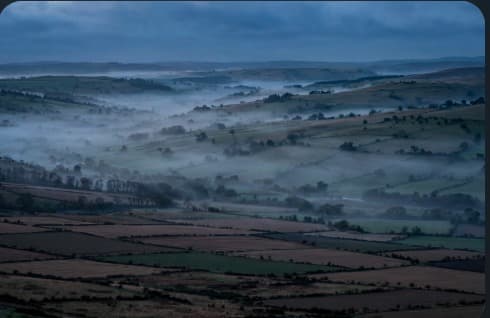
The land in the fertile valleys of Mé-Zóchi is heavy with history, every acre having been cleared, tilled, and passed down through generations of hands. Property lines here are often older than the legal documents that attempt to track them, marked instead by ancient trees, stone rows, or the collective memory of the families who live along the ridges. To hold a piece of this earth is to hold a sense of place and identity, a tangible legacy in an uncertain world.
Yet, when the understanding of those boundaries begins to fray, the soil can become a source of profound bitterness rather than sustenance. Disagreements over a few feet of earth can simmer quietly for years beneath the surface of neighborly interactions, a hidden tension that colors every morning greeting and shared pathway. The tragedy lies in how easily the quiet permanence of the landscape can mask the growing volatility of the human hearts that tend it.
On an afternoon when the heat hung low over the green fields, the long-standing friction between two households reached a sudden, tragic culmination. Words concerning a disputed boundary line escalated beyond the typical arguments of the past, the language losing its restraint as old grievances were brought to bear. The confrontation moved rapidly from debate to physical action, a brief and terrible outburst that fractured the peace of the valley.
In the aftermath of the violence, the contested earth seemed to lose all its value, transformed instantly into the site of a profound human tragedy. One individual lay fatally wounded on the very ground that had been the subject of so much intense focus, their life ending where the crops were meant to grow. The surrounding trees and distant hills remained perfectly still, indifferent to the sudden reduction of a human life.
The community of Mé-Zóchi has been left in a state of somber shock, the weight of the event hanging heavily over the rural neighborhood. In small places where everyone is known to everyone else, a fatal dispute is not an isolated incident; it is a collective wound that alters the social landscape forever. The tragedy is double, leaving one family in deep mourning and another facing the severe consequences of unrestrained anger.
There is an inherent melancholy in the sight of the quiet fields now marked by the presence of police tape and investigators. The crops continue to grow in the warm air, and the birds continue their flights across the valley, entirely unaware that the patch of earth below has been stained by loss. The dispute is over, resolved not by agreement or law, but by the absolute finality of death.
In the days that follow, the neighbors will look out over the contested boundary with a sense of profound gravity, seeing only the high cost of a pride that refused to yield. The ancient markers will remain where they have always been, silent witnesses to the fragility of human relationships when weighed against the possession of the earth.
The valley will eventually return to its quiet agricultural routines, but the memory of this afternoon will linger for generations, a cautionary tale whispered among the rows of coffee and cocoa. The land remains, permanent and unbothered, while those who fought over it are gone.
Public security officials in Mé-Zóchi confirmed that a fatal assault occurred following a severe verbal dispute regarding property lines between neighbors. The suspect was taken into custody at the scene without further incident, and judicial proceedings have been initiated to address the homicide.
Published by Banx Network. This article is part of the Banx decentralized media programme, powered by the BXE token on the XRP Ledger.