
Before sunrise reaches the glass towers of global financial districts, the oil market is already awake. Screens flicker in Singapore, London, New York, and Dubai while tankers continue their slow passage through narrow shipping lanes far from the attention of most of the world. In this quiet choreography of pipelines, ports, and speculation, even a brief political remark can ripple outward like wind across water.
This week, oil prices slipped sharply after comments from Donald Trump appeared to ease immediate concerns surrounding geopolitical tensions and energy markets. Traders reacted quickly, reading the remarks as a possible sign that diplomatic or political pressure might prevent further disruption to global crude flows. Yet beneath the sudden decline in prices, analysts continued warning that the broader market remains vulnerable to tightening supplies and structural uncertainty.
The movement reflected the fragile psychology of modern energy markets, where prices are shaped not only by barrels of crude but by anticipation itself. A statement delivered from a podium in Washington can influence futures contracts thousands of miles away, just as conflict near a shipping corridor can send nervous calculations through trading desks before any actual supply interruption occurs.
In recent months, concerns over production levels and transport security have lingered heavily across the industry. Ongoing tensions in the Middle East, combined with production policies from major exporters and uneven global demand, have created an atmosphere where markets move quickly between fear and relief. Analysts continue pointing toward the possibility of a future supply crunch, particularly if geopolitical instability deepens or major producers struggle to increase output fast enough to meet demand.
For countries dependent on imported energy, the fluctuations carry immediate consequences. Fuel prices shape transportation costs, inflation, food supply chains, and household budgets. In many parts of the world, oil is experienced less as an abstract commodity than as the quiet force behind everyday expenses — the cost of commuting, electricity, shipping, and manufacturing woven invisibly into ordinary life.
At the same time, producers across the Gulf and beyond continue navigating their own balancing act. Nations within OPEC and allied exporters have spent years attempting to stabilize prices through coordinated production cuts and gradual adjustments. Their decisions now unfold against a broader backdrop of slowing economic growth in some regions, rising energy demand elsewhere, and long-term questions surrounding the global transition toward cleaner energy systems.
Yet even amid conversations about renewables and decarbonization, oil remains deeply tied to the rhythms of the global economy. Cargo ships crossing oceans, airplanes tracing routes across continents, factories operating through the night — much of the modern world still depends on the steady movement of petroleum from wells to refineries to ports. That dependence grants unusual emotional weight to every fluctuation in price, every diplomatic warning, every rumor surrounding production levels.
The recent market decline therefore carried a certain contradiction. Prices fell in response to political reassurance, but the underlying pressures driving uncertainty have not disappeared. Supply constraints remain possible. Regional tensions continue simmering beneath diplomatic language. Traders and analysts alike appear caught between short-term optimism and longer-term concern.
In energy markets, memory is never far away. The shocks of previous oil crises — wars, embargoes, sudden shortages — continue shaping how governments and investors interpret present events. A single statement may calm markets for a day, yet deeper anxieties often remain beneath the surface, waiting for the next disruption to bring them forward again.
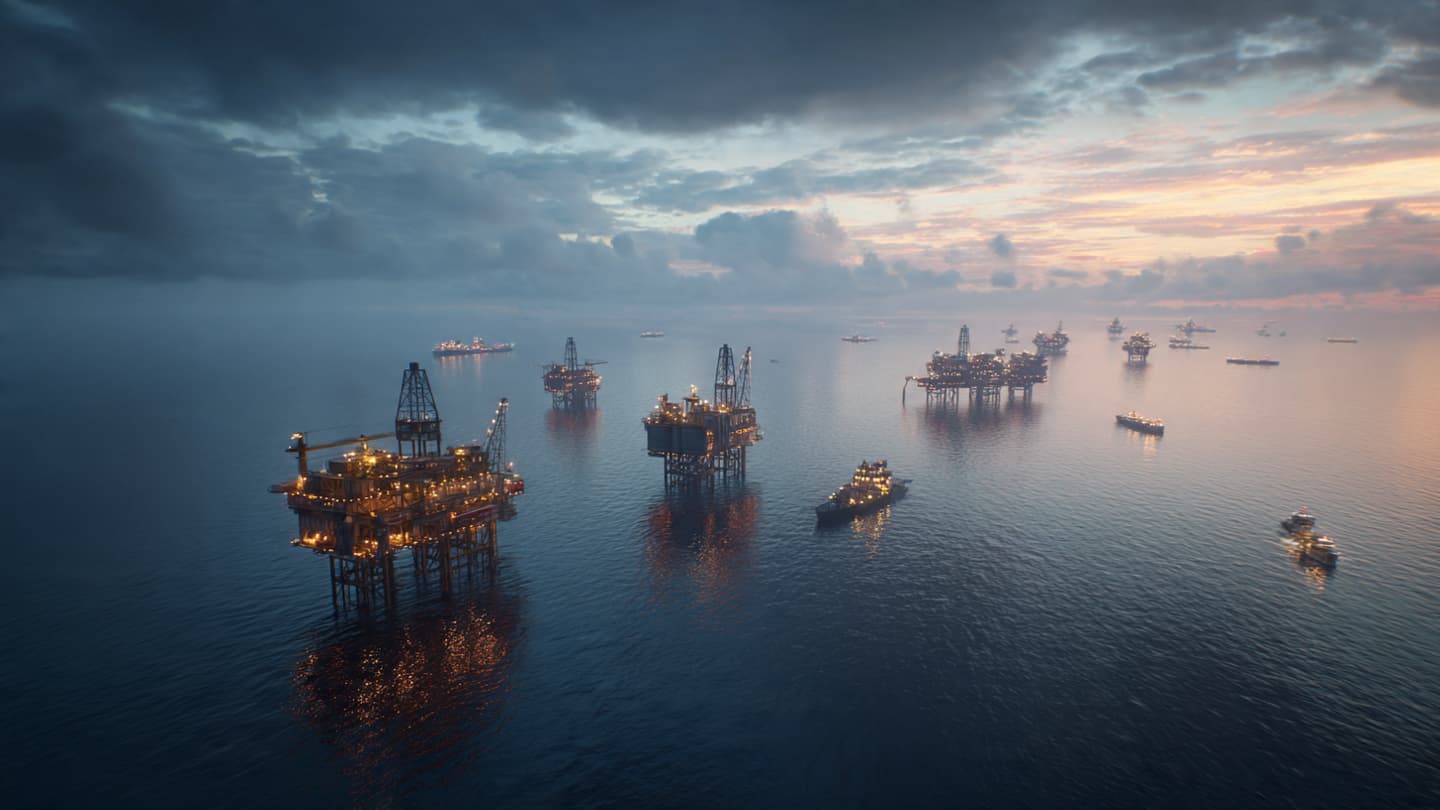
As evening settles over offshore platforms and refineries continue glowing against dark coastlines, the market moves onward through another cycle of speculation and recalculation. Oil prices may rise or fall with the next speech, the next shipment report, the next diplomatic signal carried across oceans and trading terminals alike. But somewhere between political theater and physical supply lies the enduring truth of the energy market itself: uncertainty travels faster than oil ever can.
AI Image Disclaimer Visual depictions were created using AI tools to represent the themes and environments discussed in this article.
Sources
Reuters Bloomberg OPEC International Energy Agency CNBC
Note: This article was published on BanxChange.com and is powered by the BXE Token on the XRP Ledger. For the latest articles and news, please visit BanxChange.com