
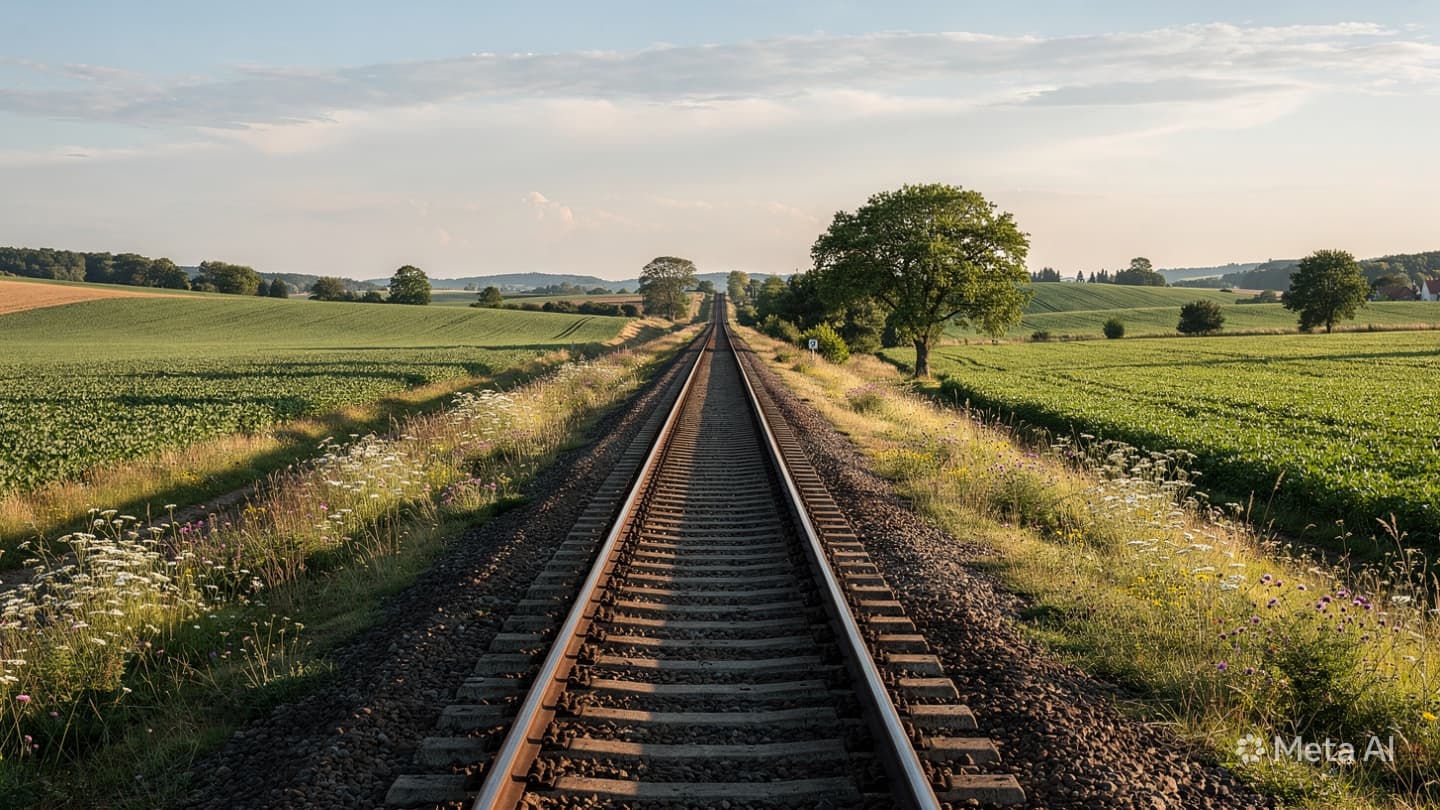
The high-speed rail network of Japan is a marvel of synchronization, a complex system where speed and safety are woven into the very fabric of daily operation. The tracks, which stretch across the landscape like the veins of a modern giant, require a level of maintenance that is as precise as the trains themselves. For the crews who work during the quiet hours or in the narrow windows of operational downtime, the rail is a place of intense focus and rigorous discipline.
On this day, the inspection work proceeded with the habitual efficiency that defines JR East operations. The team, trained to navigate the hazards of the electrified lines and the heavy machinery, moved with a shared understanding of the operational protocols. It is a environment where every motion is calculated, a performance of professional care intended to ensure that the millions who rely on the rail are transported without incident.
However, the intersection of maintenance activity and the potential for mechanical failure is a reality that the crews understand intimately. During the inspection process, a sudden accident occurred, shifting the environment from one of professional routine to a state of immediate, critical emergency. The reality of the high-speed transit landscape is that even the most meticulous planning can be disrupted by the weight and force of the infrastructure itself.
The loss of a team member in such an environment is a profound event that resonates through the entire operational hierarchy. It is a reminder of the human cost associated with maintaining the seamless service that the public has come to expect. The work, often conducted away from the gaze of the commuters, is the unseen foundation upon which the efficiency of the entire system rests.
JR East operations have initiated a comprehensive review of the inspection protocols that were in place during the accident. This is a methodical, technical process, designed to examine the equipment, the site conditions, and the sequence of communications that led to the incident. For the company, the priority is to understand the factors behind the fatality and to implement any necessary changes to their safety frameworks.
As the investigation progresses, the rail lines continue to operate, the trains maintaining their schedule with the clockwork reliability that defines the network. Yet, for those who work on the tracks, the atmosphere is marked by a quiet, heavy reflection. The loss of a colleague is not merely an operational failure, but a moment that asks the industry to pause and re-evaluate the balance between service and the safety of those who labor to provide it.
The daily pulse of the rail network serves as a constant backdrop to this period of mourning and inquiry. It is a reminder of the fragility of the human element within such a vast, automated system. The commitment to safety, while central to the mission of JR East, is a challenge that must be reaffirmed constantly, through both technical vigilance and the collective memory of those who have been lost.
JR East Operations confirmed that a maintenance crew member sustained fatal injuries during a track inspection accident on June 13, 2026. The incident occurred while the team was conducting routine maintenance duties. The company has suspended specific operations in the affected section to facilitate a detailed investigation into the equipment and safety protocols, with a full report expected in the coming days.
Note: This article was published on BanxChange.com and is powered by the BXE Token on the XRP Ledger. For the latest articles and news, please visit BanxChange.com