The mountainous municipality of Ermera, renowned for its sprawling shade-grown coffee plantations and high, cool ridges, is a region where life is deeply rooted in ancestral land and familial proximity. In these highlands of Timor-Leste, traditional homes are often constructed clustered together, housing generations of the same lineage within a shared geographical perimeter. The architecture, utilizing local bamboo, timber, and corrugated iron, reflects a lifestyle built entirely around community interdependence and mutual reliance. Yet, the closeness that defines daily life also carries an inherent vulnerability when a domestic crisis unfolds, turning the warmth of the family hearth into a destructive force.
A sudden and profound transformation occurred within a quiet settlement in Ermera when an intentional act of destruction broke the peace of the neighborhood. The occurrence of an arson attack within a domestic compound is more than a legal infraction; it is a severe tear in the social tissue that holds small mountain villages together. In an environment where resources are gathered slowly through years of agricultural labor, the loss of a house is a monumental setback that leaves families completely exposed to the chilly highland elements. The smoke that rose above the canopy was a visible sign of an internal fracture that had crossed a dangerous threshold.
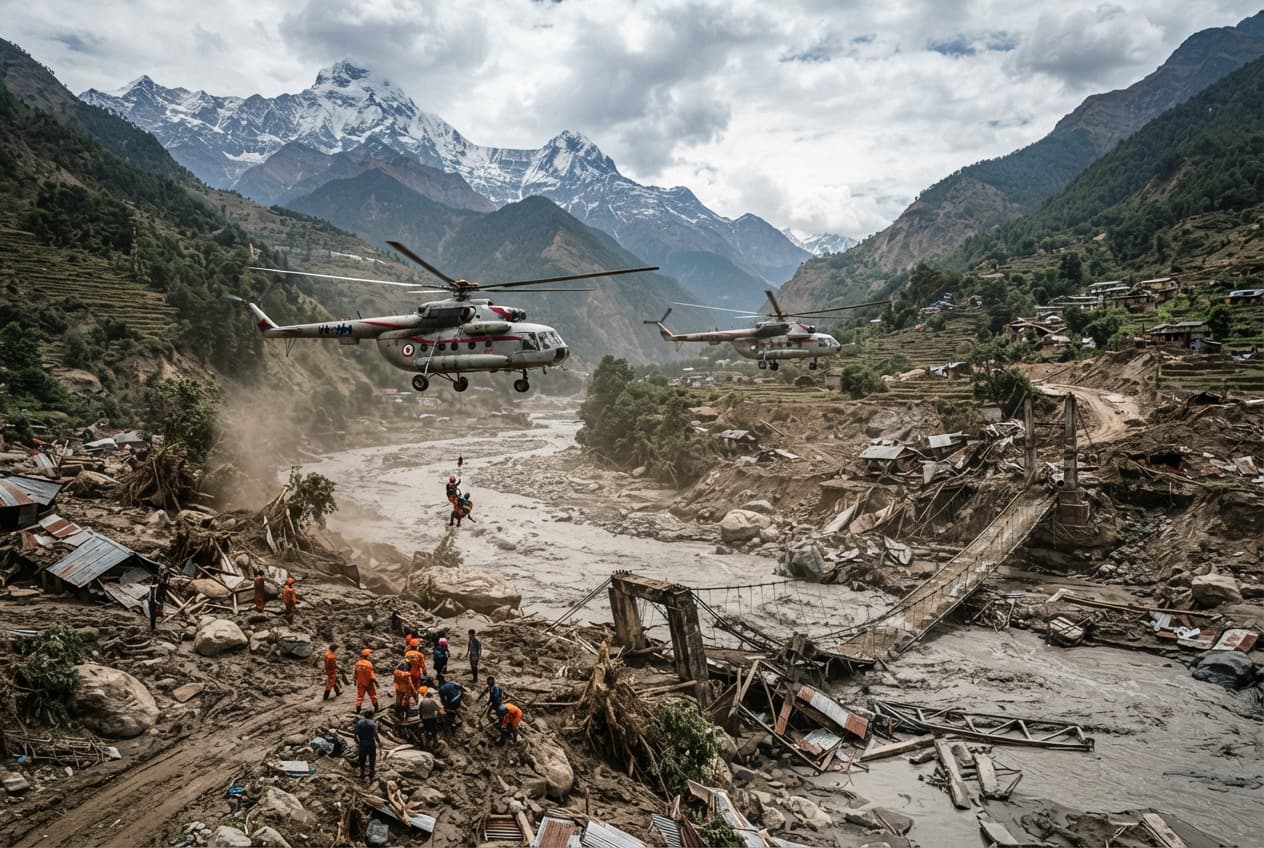
The immediate aftermath revealed a scene of absolute devastation, with two multi-generational family homes reduced to scorched timbers and twisted sheets of metal. The fire, moving quickly through the combustible materials of the structures, left little behind other than ash and the stone foundations upon which the houses were built. For the affected residents, the loss encompasses everything required to sustain a livelihood: stored grain, agricultural tools, clothing, and the sacred family heirlooms that anchor their identity to the land. The quiet that settled over the blackened site was heavy with the weight of sudden displacement.
Local emergency responses in Ermera are often constrained by the rugged topography, where steep, unpaved roads slow down the movement of municipal authorities from the main administrative center of Gleno. In the initial hours following the incident, the burden of containment and immediate care fell entirely upon the shoulders of neighboring households. The community demonstrated its foundational resilience, providing temporary shelter, food, and clothing to those who had watched their entire domestic lives disappear into the night sky. This spontaneous solidarity is the primary safeguard for rural populations facing sudden hardship.
For regional administrators and local leaders (*Chefe de Suco*), the deliberate nature of the incident brings the challenges of rural dispute resolution into sharp, unmistakable focus. When domestic grievances bypass traditional customary mediation frameworks (*tara bandu*) and escalate into violence, it challenges the stability of the entire village network. Addressing the consequences of such an event requires a delicate balance between formal criminal justice procedures and the long-term work of local reconciliation. The dialogue between modern law and traditional peace-making remains a continuous process in the hills.
The emotional impact of the loss sits heavily upon the displaced family members, particularly the children and elders who must now adapt to an uncertain living situation. In rural Timor-Leste, a home is not merely a physical structure but a sanctuary of lineage, where ancestors are respected and family history is preserved. To see that space erased by intent creates a profound sense of disquiet that requires time and community support to heal. The process of rebuilding will involve not just physical labor, but the slow restoration of security within the neighborhood.
As the community begins to process the shock, the local youth and elders are working together to clear the debris from the blackened plots, preparing the ground for future reconstruction. The administrative authorities are tracking the immediate needs of the families to ensure that emergency relief, such as tarpaulins and cooking utensils, is delivered directly to the site. The resilience of the highlanders is visible in their steady, quiet commitment to helping their kinsmen start anew from the ashes.
The long-term recovery of the household will depend heavily on their ability to re-engage with their agricultural routines, as the coffee harvest remains the primary source of economic stability in the region. Rebuilding two family homes will require a collective effort, utilizing both local natural resources and external materials provided by state or non-governmental organizations. The mountain remains, and from its soil, the slow process of domestic restoration will eventually begin.
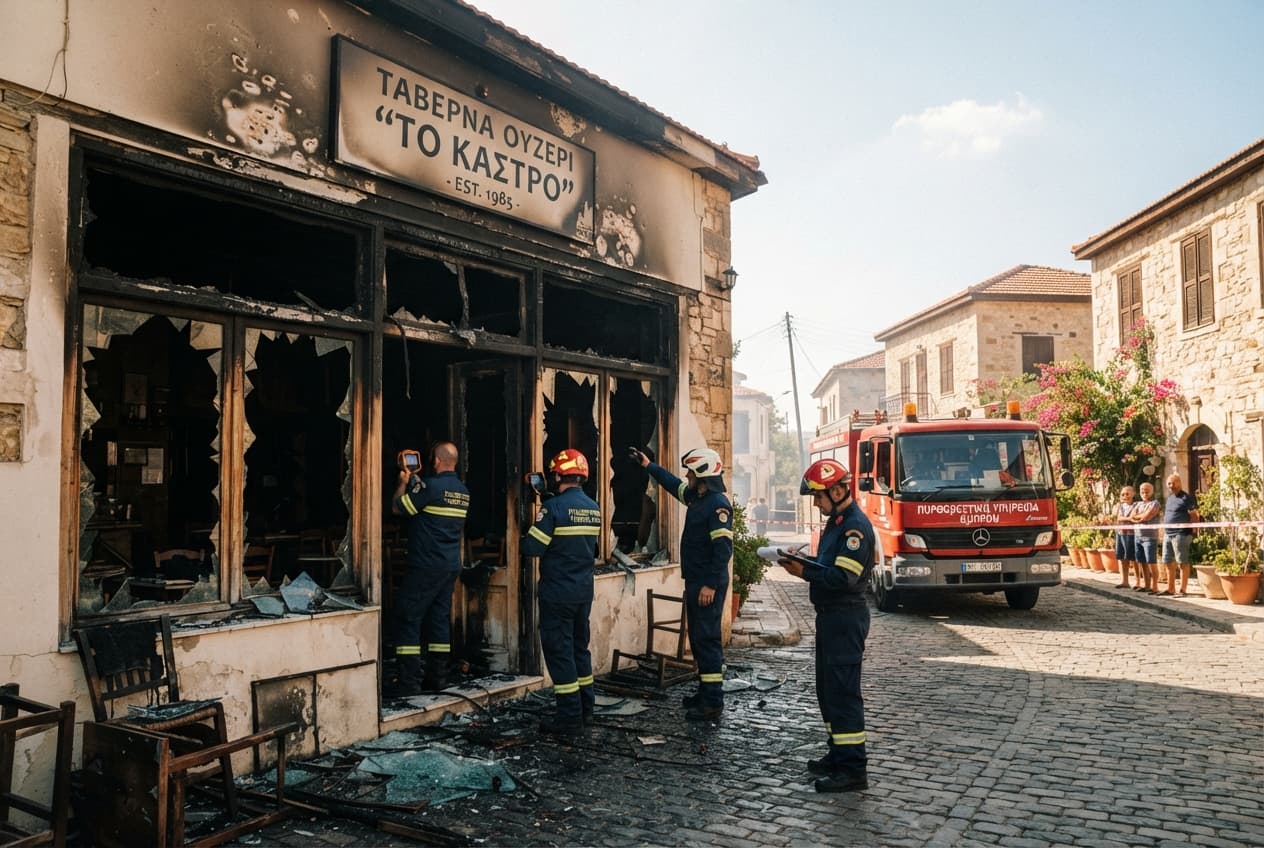
The National Police of Timor-Leste (PNTL) District Command in Ermera has confirmed the arrest of a male suspect in connection with the arson attack that destroyed two residential structures in the sub-district. Investigators remain on-site to conduct forensic examinations of the charred foundations and interview witnesses to establish the timeline of the dispute. The municipal civil protection unit has arrived to distribute immediate humanitarian aid packages, including bedding materials and emergency food rations, to the ten displaced individuals. Local traditional leaders are working alongside authorities to maintain calm within the village during the legal proceedings.
Published by Banx Network. This article is part of the Banx decentralized media programme, powered by the BXE token on the XRP Ledger.