
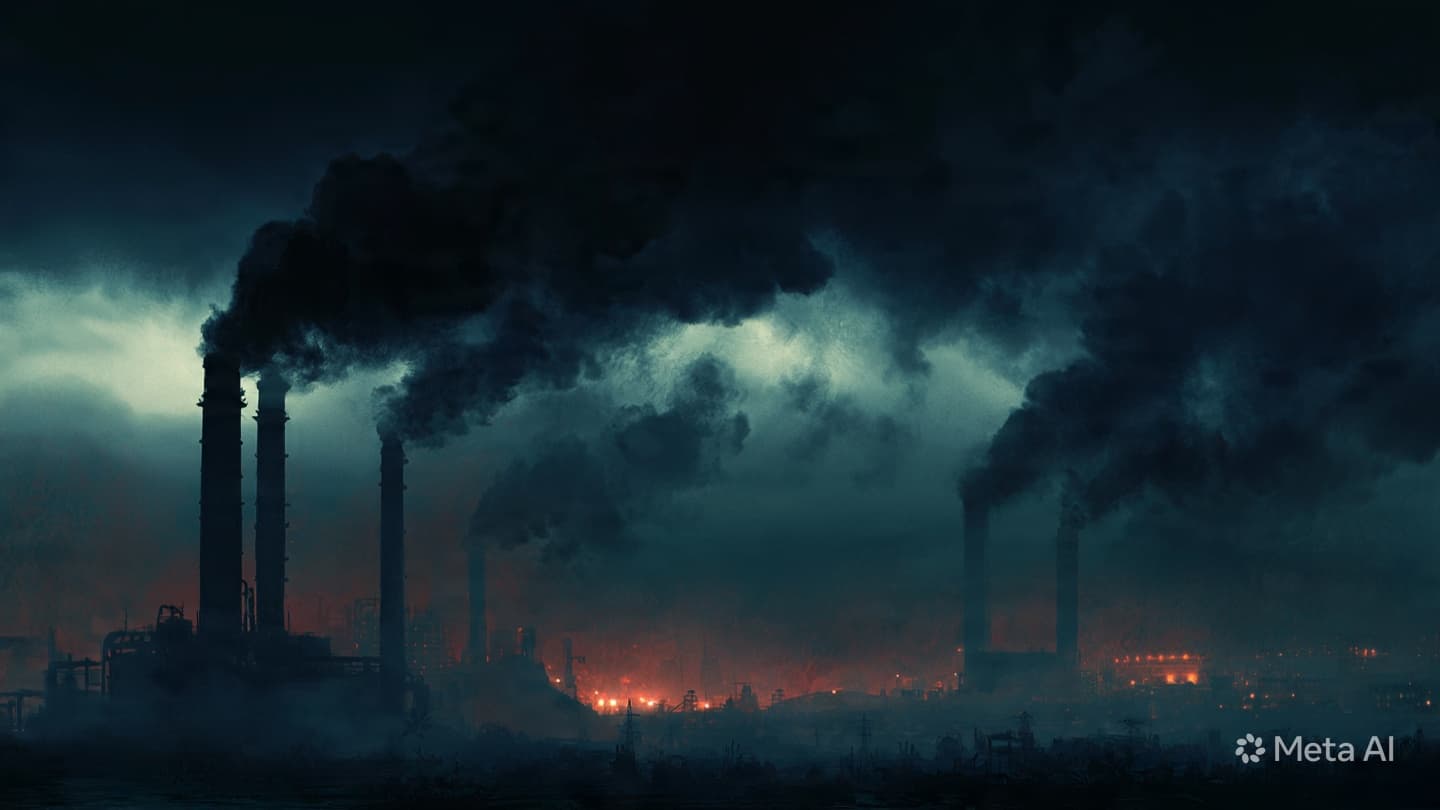
The industrial landscape of Jeddah is a geography of ambition, a sprawling terrain defined by the rhythmic clatter of machinery and the relentless pulse of production. It is a place where raw materials are transformed into the artifacts of our modern existence, under the watchful gaze of giant cranes and silent chimneys. However, even in this kingdom of steel and ambition, the unexpected can emerge as a sudden, searing reality. A fire, born from the hidden tensions of industrial operation, recently reminded us of the vulnerability inherent in our structures.
The incident, which took hold within the industrial heart of the city, was marked by a ferocity that defied the carefully mapped order of the complex. Flames, once contained within the walls of industry, briefly reclaimed the space, turning the site into a focus of intense, chaotic heat. For those who labor within these environments, the fire was not merely a mechanical failure but a deeply personal disruption of the daily, predictable rhythm of work.
Three lives were claimed in the heat of the event, their stories abruptly entwined with the tragedy of the factory floor. The loss is felt most acutely in the silence that follows the roar of a conflagration. It is a silence that speaks of unfinished tasks and the empty spaces left at the desks and workbenches of a vibrant, working community. We are left to ponder the fragility of the human element when pitted against the raw, unbridled power of uncontrolled energy.
In the aftermath, the industrial city appears to hold its breath. The charred remnants of the facility stand as a testament to the volatile nature of the work performed within its borders. While the architecture of the plant was built to withstand the pressures of commerce and trade, it could not shield those inside from the sudden volatility of the fire. The narrative of progress, often told through growth statistics and output figures, is interrupted by the somber reality of sacrifice.
Reflecting on such an event requires a move away from the analytical and toward the empathetic. It is a moment to recognize that the goods and services which sustain our lifestyles often originate from places of intense physical risk. The workers who navigate these spaces are the silent architects of our comfort, and their loss is a heavy reminder of the human cost that underpins our collective prosperity.
There is a sense of displacement when a familiar place of work is suddenly transformed into a site of mourning. The familiar smells of grease and metal are replaced by the acrid scent of ash, and the once-dynamic environment becomes a static, haunting space. It forces us to confront the reality that the objects of our desire—the steel, the plastics, the machinery—are forged in environments where the line between safety and disaster is perilously thin.
The emergency services responded with speed, attempting to contain the spread of the fire and protect the surrounding infrastructure. The priority during the immediate crisis was the safety of nearby workers and the mitigation of secondary risks, given the nature of the facility’s output. While the blaze was ultimately brought under control, the impact on the local workforce remains significant and profound.
Administrative and safety reviews are now the focus of local oversight, as officials work to determine the origin of the fire and assess the adherence to industrial safety protocols. The management of the facility has signaled its cooperation with these investigations. The path forward for the site involves a period of careful restoration and reflection on how to better safeguard the people whose labor sustains the facility's operations.
Note: This article was published on BanxChange.com and is powered by the BXE Token on the XRP Ledger. For the latest articles and news, please visit BanxChange.com