
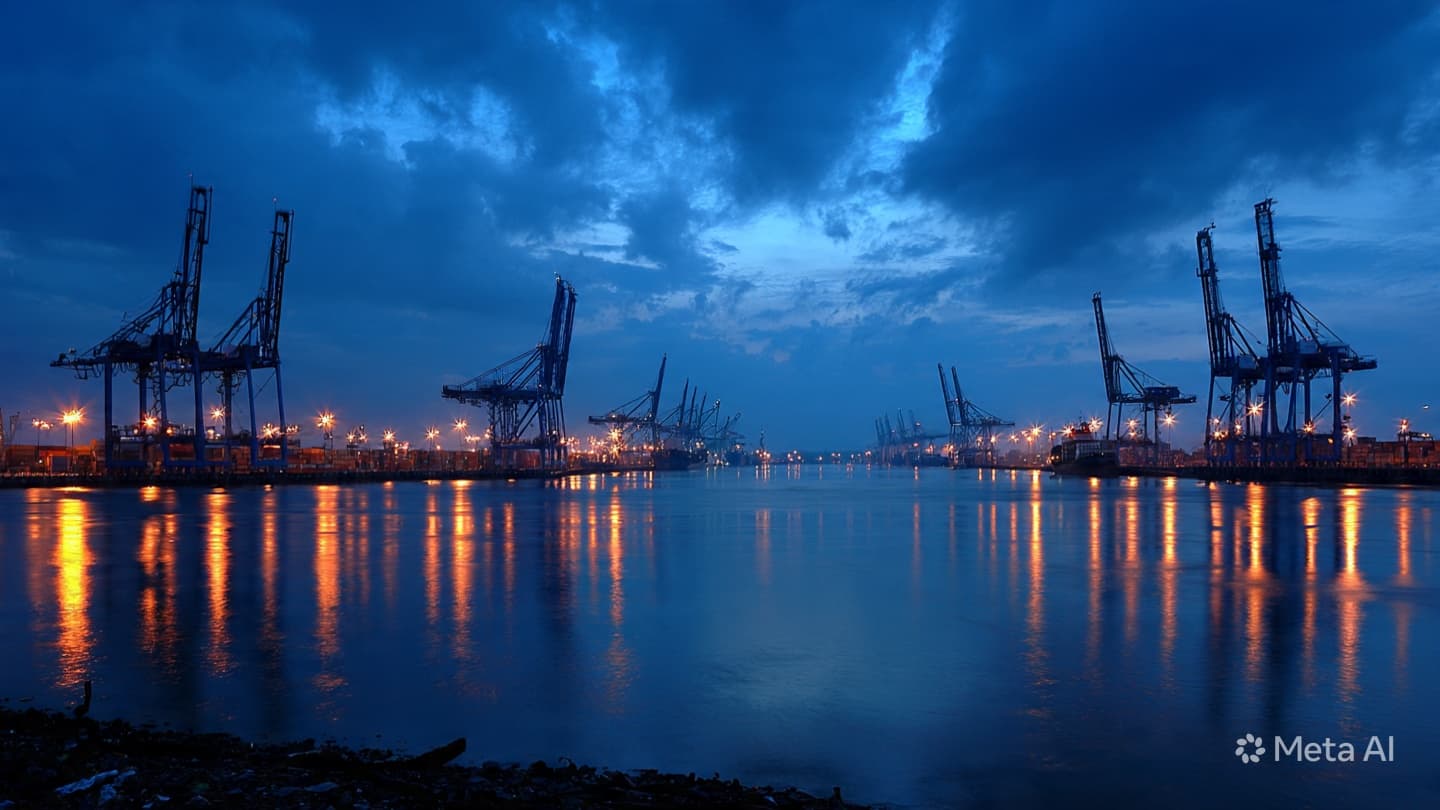
The air in Guayaquil has grown heavy with a silence that feels less like peace and more like held breath. Along the edges of the Guayas River, where the rhythm of international commerce once dictated the tempo of the day, a new, jagged cadence has emerged. It is a reality defined by the relentless encroachment of organized crime, shifting the city’s identity from a bustling gateway of trade into a theater of profound, lingering uncertainty.
Observers note that the intensity of local conflict is not merely an isolated occurrence but a byproduct of a larger, systemic struggle for control. As global demand for illicit goods flows through these coastal veins, the competition between local factions—often acting as shadows of larger transnational entities—has transformed neighborhoods into contested zones. The social fabric, once woven with the daily commerce of the port, now stretches thin under the weight of sustained extortion and the constant presence of armed rivalry.
Data and security reports paint a sobering picture of this landscape. Throughout the past year, the province of Guayas has accounted for a disproportionate share of the nation's violent deaths, with Guayaquil serving as the primary nexus for these disruptions. The transformation of these urban spaces has been rapid, turning quiet districts into hubs of anxiety where the presence of military patrols has become a permanent feature of the modern skyline.
This situation reflects a broader regional challenge, where the integration of local gangs into complex supply chains has fueled a cycle of violence that proves difficult to suppress. The authorities continue their efforts to reclaim public spaces, yet the persistence of these groups underscores the deep-rooted nature of the crisis. It is a reminder that the struggle for security is not merely a matter of tactical enforcement, but a long-term reclamation of the city’s heart.
The impact reaches into every corner of public life. Families move with caution, and the city’s commerce fluctuates in tandem with the latest reports of unrest. The resilience of the population remains a quiet, persistent force, even as the scale of organized crime presents a daunting challenge to the maintenance of daily order. There is a sense that the city is currently waiting—a collective pause in anticipation of a resolution that remains obscured by the fog of ongoing conflict.
In official terms, the state of emergency remains in effect across the Guayas province to manage the volatile security landscape. Government initiatives continue to focus on military and police deployments aimed at curbing the influence of organized crime. Officials report that the focus remains on securing key transit points and reducing the homicide rate, which has fluctuated significantly as state interventions contend with the evolving strategies of local criminal networks.
Note: This article was published on BanxChange.com and is powered by the BXE Token on the XRP Ledger. For the latest articles and news, please visit BanxChange.com