
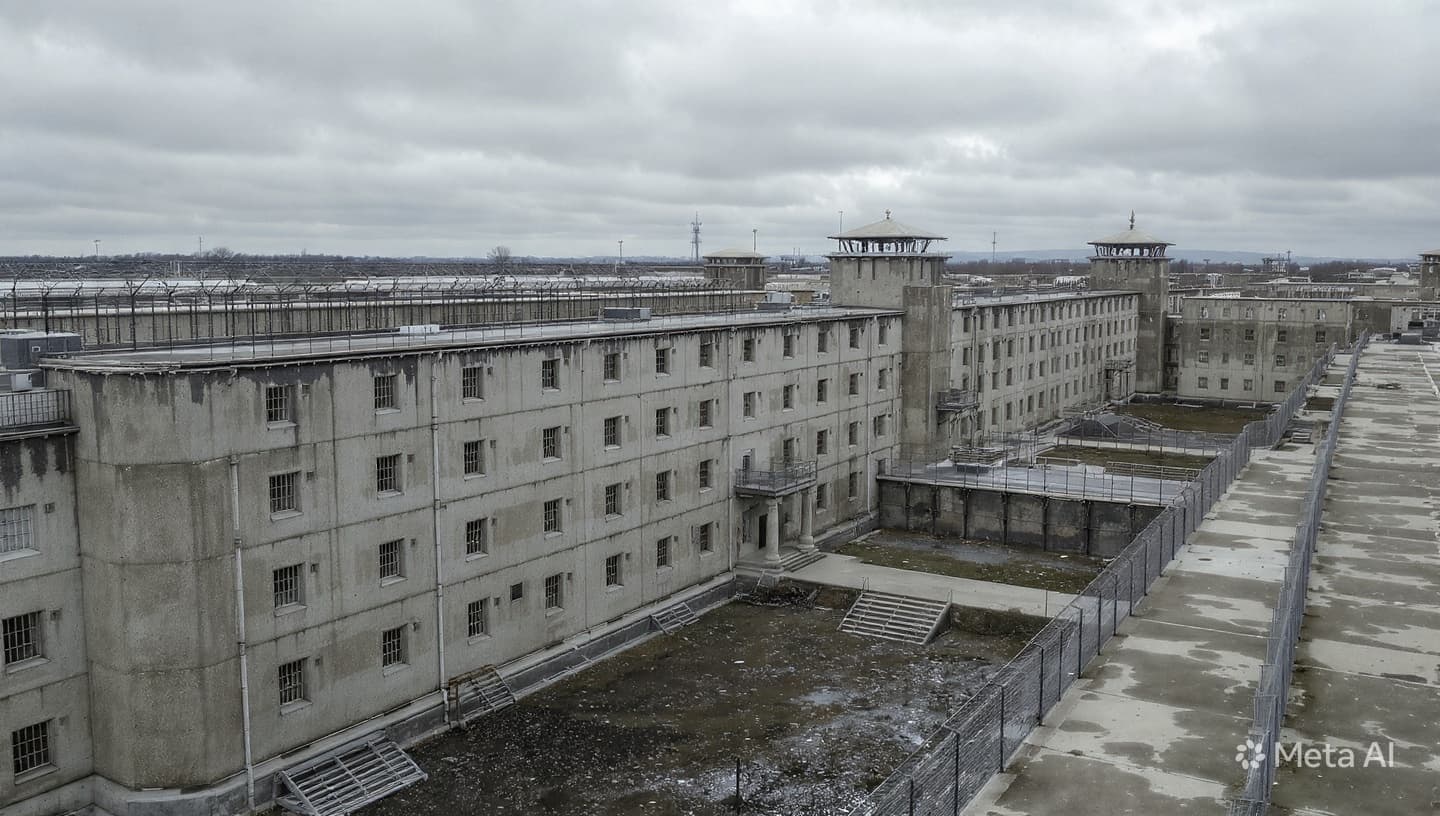
There is a profound, almost stifling stillness that exists within the high concrete walls of a detention facility, a silence that hides the complex, often volatile dynamics at play. For years, the equilibrium of these spaces in Guatemala has been precarious, frequently tilting toward the influence of armed gangs who have sought to transform prisons into their own base of operations. When authorities report on their efforts to neutralize these internal power structures, they are describing a struggle that is both tactical and deeply symbolic, a fight to define who truly holds the authority within the state’s own borders.
To observe the effort to reclaim these facilities is to witness a delicate operation of deconstruction. The gangs, having established a deep, subterranean presence, have turned the prison into an extension of their street-level rivalry, using the restricted space to coordinate, command, and solidify their reach. The state’s move to intervene is not merely a matter of restoring order; it is a fundamental challenge to the legitimacy of the criminal network, a refusal to let the state’s apparatus be used as a engine for further instability.
The complexity of these interventions cannot be overstated. Every movement to neutralize an armed group inside the walls is a high-stakes encounter, involving the delicate management of human lives, security, and the persistent threat of retaliation. The atmosphere during these operations is one of intense, controlled focus, where the goal is to dismantle the apparatus of control without triggering the very violence that the intervention seeks to extinguish. It is a slow, methodical process, one that requires a degree of precision that is rarely captured in the headlines.
Observers of the situation note that the instability within the prisons is a reflection of the strength of the gangs outside. When the state begins to make progress in reclaiming the interior, it is often met with a reflexive, violent response on the streets. This cycle—a constant, pulsing tension between the prison yard and the city square—illustrates the interconnectedness of the challenge. The prison is no longer an isolated container; it has become an integrated part of a much larger, more difficult, and more dangerous puzzle.
Within the administration, the discourse has shifted toward a more comprehensive strategy. There is a recognition that simply seizing control is a temporary fix; the long-term solution lies in the thorough reform of how these facilities are managed, monitored, and protected from the influence of external forces. This involves not only the physical removal of gang command structures but also the training and modernization of the personnel who staff these sites, ensuring that the guard remains stronger than the prisoner.
The public, for its part, views these efforts with a mixture of hope and caution. There is a deep, underlying weariness regarding the instability that has long plagued the correctional system. When reports emerge of successful efforts to assert control, they are received as a necessary, if overdue, development. Yet, there remains a persistent question about the sustainability of these gains, a concern that the influence of the gangs is too deeply entrenched to be eradicated in a single stroke.
As the government continues its efforts to neutralize these internal threats, the focus remains on the gradual restoration of a standard operational model. The process is one of clearing the path toward a future where the rule of law is the sole defining characteristic of the prison experience. This is a difficult, arduous road, characterized by incremental steps rather than dramatic breakthroughs, yet it remains an essential component of the nation’s broader security agenda.
Ultimately, the battle for the prisons is a battle for the integrity of the state itself. By proving that they can reclaim these spaces, the authorities are asserting their ability to govern in the most challenging of conditions. The process of stabilization is a reflection of a nation that is finally willing to confront the depth of the challenges it faces, moving toward a more secure, regulated, and law-abiding internal landscape for all.
Note: This article was published on BanxChange.com and is powered by the BXE Token on the XRP Ledger. For the latest articles and news, please visit BanxChange.com