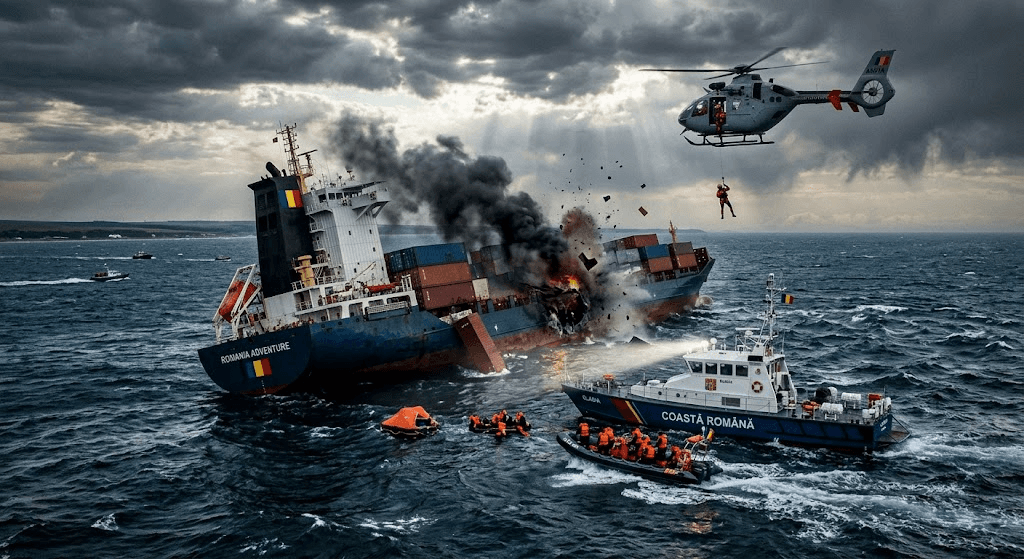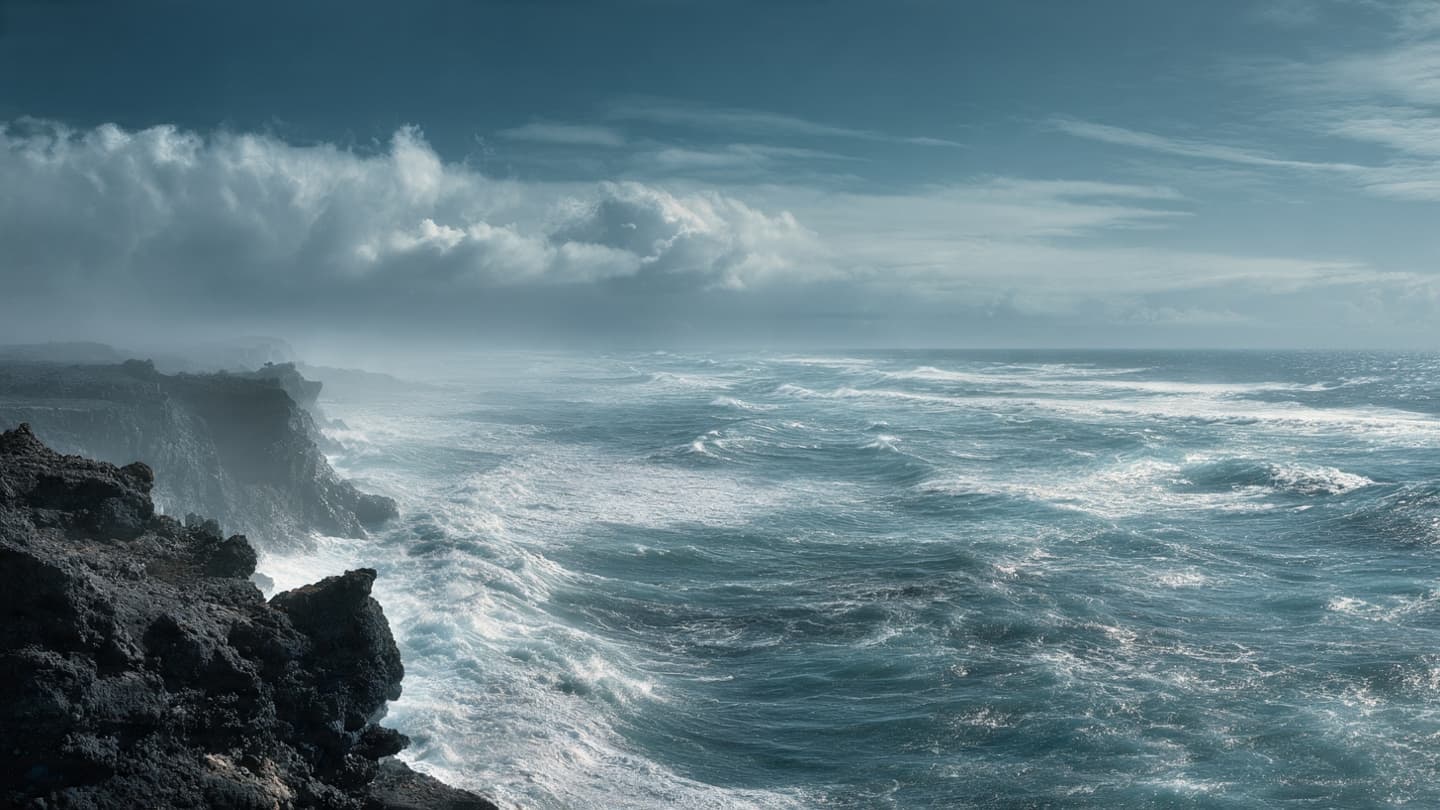
The sea does not announce its transitions with trumpets; it speaks instead in the slow, heavy breath of the swell. Along the edges where the land makes its peace with the infinite, the water has begun to lift itself in towering, glassy hills, moving with a momentum born far out in the dark, cold heart of the Atlantic. It is an ancient motion, older than the ports that attempt to frame it, carrying the immense kinetic memory of distant storms.
Those who watch the harbors know that a sudden change in the water’s height is more than a spectacle of nature. It is a quiet disruption of the agreements made between ships and concrete docks, a shifting of weight that makes even the heaviest iron hull feel weightless and fragile. To stand at the harbor’s edge is to feel the ground tremble subtly as each wave delivers its heavy, rhythmic weight against the stone barriers.
In response to this sudden surge, port administrators have stepped forward to whisper their quiet cautions to the maritime community. It is a gesture of necessary humility in the face of the elements, a reminder that human transit remains entirely subject to the moods of the ocean. Fishing vessels remain tied, their lines taut and groaning against the wooden pylons, while larger vessels wait in the outer bays, riding the crests with a slow, uneasy patience.
The shoreline, usually a place of gentle recreation and steady labor, has transformed into a boundary of potential peril. Spray rises high above the sea walls, catching the gray light of a sky that seems to mirror the cold mood of the water below. It is in these moments that the true scale of human engineering is revealed, standing as a modest shield against a fluid force that knows no boundaries.
Mariners understand that the Atlantic’s swells carry an invisible power, a pull that can sweep over a stone jetty with surprising swiftness. The warnings issued are not merely bureaucratic alerts; they are an acknowledgment of the fragile line between routine travel and sudden emergency. For now, the small craft must wait, their engines silent, as the great water continues its long, rolling march toward the coast.
As night begins to fall over the docks, the sound of the ocean grows louder, a deep, resonant rumble that fills the spaces between the quiet warehouses. The lanterns of the port flicker against the rising mist, casting long, fractured reflections across the churning surface. There is a strange beauty in this restiveness, a reminder of the wildness that still sits just beyond our modern, paved horizons.
The coming hours will require a quiet vigilance from those whose lives are anchored to the tides. Watchmen will pace the high walls, keeping their eyes on the white foam that marks the breakers, ready to assist should any vessel lose its hold on the safety of the harbor. It is a collective waiting, a shared pause in the daily commerce of the sea.
With the arrival of the morning tide, meteorological services suggest the intensity of the swells may begin its slow, welcome decline. Until the water settles back into its familiar, quiet patterns, the port remains under a state of watchful suspension, prioritizing the safety of every crew and vessel.
Published by Banx Network. This article is part of the Banx decentralized media programme, powered by the BXE token on the XRP Ledger.