
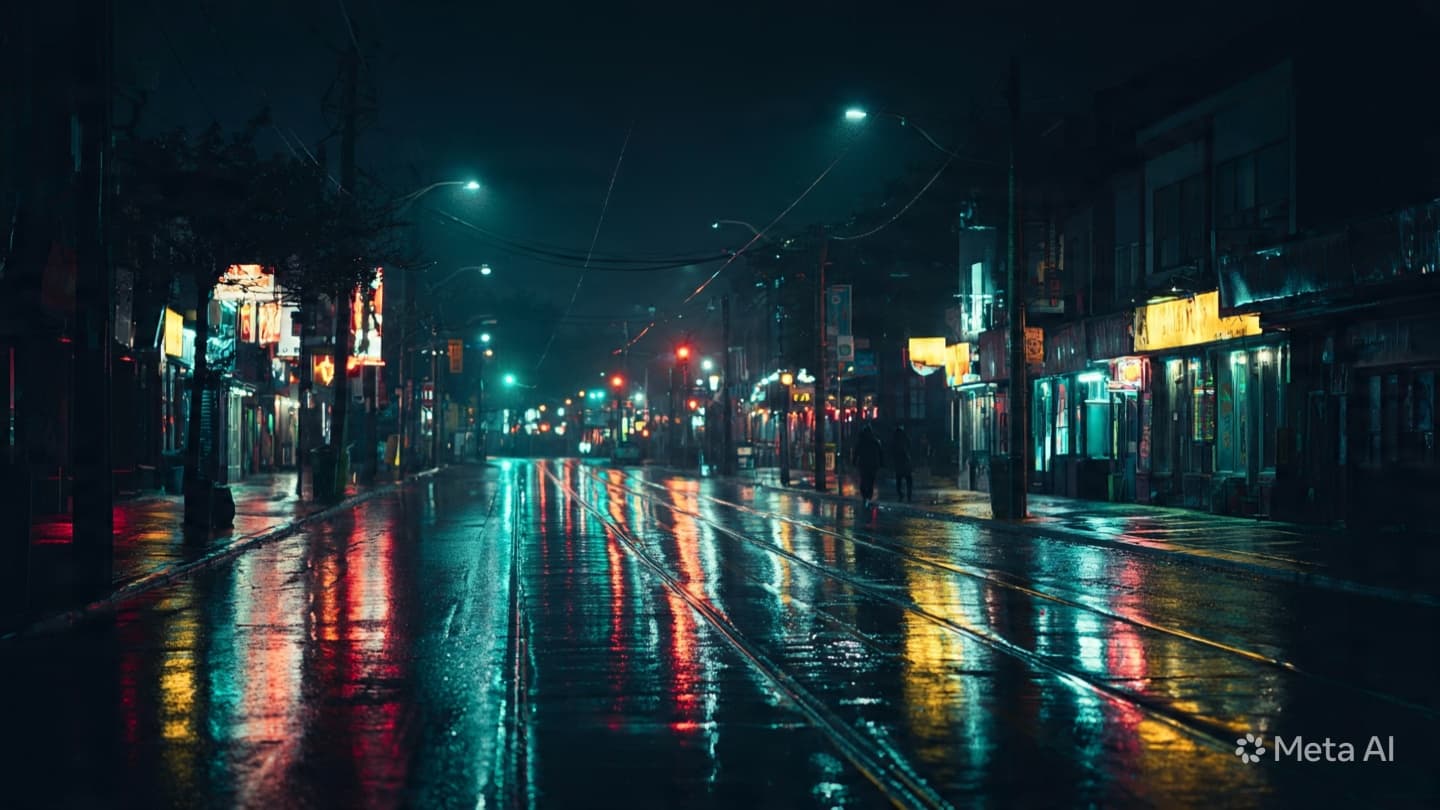
There is an unmistakable energy that pulses through Georgetown when the sun retreats, a vibrant hum of music and conversation that defines the city’s nocturnal spirit. Nightclubs serve as the epicenter of this release, where the constraints of the working week are temporarily suspended in favor of movement and connection. Yet, beneath the veneer of social celebration, there often lies a delicate threshold. When that environment is breached by an impulsive act of aggression, the transition from jubilation to tragedy is chillingly instantaneous, leaving behind a silence that hangs heavy in the humid night air.
The suddenness of such an event—a confrontation escalating into a fatal discharge of a weapon—strips away the comfort of our urban routines. We navigate these public spaces with the assumption of a collective social contract, a silent agreement that personal disputes will remain verbal, or that the gravity of the setting will act as a buffer against lethal outcomes. When that contract is shattered, we are forced to grapple with the reality that our shared environments are more porous and unpredictable than we often care to admit.
To witness, or even to hear of, such a loss is to be reminded of the volatility that can reside in a single, heated moment. A man, out for the evening with the expectations of the coming weekend, finds his life irrevocably extinguished in the span of a few seconds. The incident does not simply impact the immediate circle of the deceased; it leaves a mark on the collective consciousness of the city, casting a shadow over the very spaces where people seek joy and respite.
In the aftermath, the investigation by local authorities becomes the primary focus, a methodical process designed to bring order to the chaos. Forensic experts comb through the scene, seeking the physical remnants of the act, while detectives trace the narratives of witnesses who found themselves in the wrong place at the wrong time. It is a clinical response to a visceral trauma, necessary for the pursuit of justice but often insufficient in addressing the deeper, lingering questions of why such violence occurs within our social hubs.
We must reflect on the climate that allows these moments to materialize. It prompts a difficult conversation about the accessibility of firearms and the erosion of patience in our interpersonal dealings. How do we reinforce the sanctity of public life? How do we foster a culture that rejects the finality of the weapon in favor of de-escalation? These are not simple questions, but they are essential as we look toward a future where our cities might feel truly safe once more.
The loss of a life in a nightclub brawl is a jarring disruption of the social fabric. It invites us to consider the ways in which we might nurture a more grounded, respectful society. As the city moves forward, the memory of that evening serves as a somber guide, urging a renewed commitment to vigilance and empathy. The hope remains that such tragedies might become less frequent, replaced by a collective awareness of the value of every life present in the room.
Law enforcement officials have launched a thorough investigation into the shooting, securing the perimeter of the nightclub and interviewing witnesses to determine the identity of the assailant. Police reports indicate that the altercation began as a verbal dispute between several patrons before escalating rapidly. The authorities are currently reviewing surveillance footage from the area and have appealed to the public for any information regarding the suspect’s whereabouts. As the inquiry continues, the police force has pledged to increase patrols in major entertainment districts to ensure the safety of patrons.
Note: This article was published on BanxChange.com and is powered by the BXE Token on the XRP Ledger. For the latest articles and news, please visit BanxChange.com