
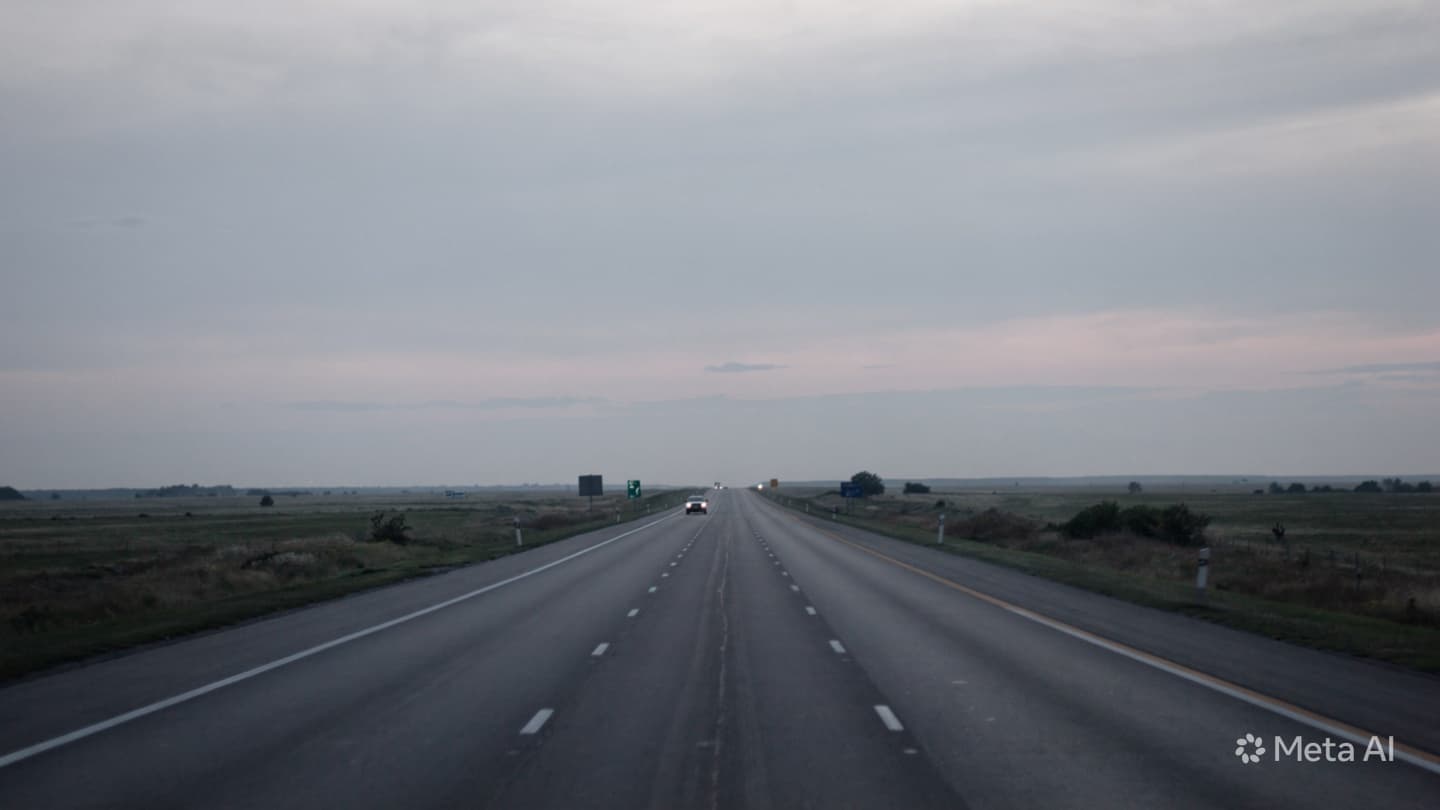
The morning commute in Northern Virginia is a ritual of anticipation, a steady migration of vehicles navigating the veins of the region toward the centers of commerce and governance. There is a predictable, almost comforting rhythm to the way we move, a collective trust in the lane markings, the signals, and the shared awareness of the drivers who surround us. It is a time when the world feels orderly, framed by the specific requirements of our own schedules, a journey that repeats with such frequency that we often forget the inherent, underlying volatility of such speed.
When that order is shattered on a route as familiar as 123, the impact feels particularly jarring. The road, which acts as a bridge between the suburban landscape and the structured professional life of the area, becomes an unexpected site of profound stillness. A collision, by its very nature, is a violence against the rhythm of the day, an interruption that demands we acknowledge the fragility of the vessels we inhabit and the precarious nature of our shared trajectory on the asphalt.
Two lives were brought to a sudden, permanent halt in the early hours, a time when the world is just beginning to stir with the quiet, earnest intentions of the day. The loss of two adults is not simply the removal of individuals from the flow of traffic; it is the snapping of a line that extends back to their homes, their workplaces, and the lives that were, until that moment, moving in sync with the rest of the morning population. The silence that follows the arrival of emergency crews is heavy with the weight of the lives that are no longer moving forward.
As the morning light slowly begins to assert itself, the scene on the highway serves as a somber contrast to the promise of the day. The emergency lights, their colors muted and rhythmic against the grey of the road, create a perimeter that isolates the incident from the passing flow of curious, hurried drivers. There is a sense of detachment in that passing—a momentary slowing, a glance, and then the inevitable return to the forward-facing focus of the commute, as each person attempts to distance themselves from the reality that what happened to others could just as easily have happened to them.
The investigation into the collision—the mechanics of the vehicles, the conditions of the road, the possible factors of speed or distraction—will proceed with the measured, clinical language of the authorities. This is a necessary work, a documentation of the event that aims to explain the "how" and the "why," to satisfy the demands of accountability. Yet, there is a limit to what such an analysis can reveal about the human experience of the event, the final, fleeting moments that remain tucked away in the silence of the aftermath.
Communities touched by such a tragedy often find themselves struggling to reconcile the suddenness of the loss with the persistent, relentless demand of the schedule. We are, by our nature, forward-looking, but a moment like this pulls us back, forcing a pause that feels both uncomfortable and necessary. The realization that our lives can be redirected by a failure of metal and momentum is a difficult truth to hold, one that lingers as we return to our own routines, perhaps a little more aware of the weight of the steering wheel.
As the wreckage is cleared and the road is reopened, the physical evidence of the crash is erased, but the memory remains embedded in the context of the route. Those who travel it regularly will carry a small, private awareness of the space, a quiet recognition that this stretch of highway is now marked by a moment of profound loss. It is a part of the landscape’s invisible architecture, a layer of meaning that exists alongside the speed limits and the exit signs, a testament to the lives that were once part of the morning flow.
In the end, we are left to ponder the thin line between a day that unfolds as intended and a day that is forever altered. The tragedy on Route 123 is a stark reminder that our existence is a series of fragile movements, and that we are all, in a sense, connected by the paths we take and the spaces we inhabit. We reflect on the lives lost, and we offer a measure of grace to those who now walk a different, more difficult road, left behind by the sudden, silent closing of a chapter that was meant to continue.
Two adults were killed early Wednesday morning in a fatal collision on Route 123 in Virginia. Emergency responders arrived shortly after the incident was reported, but both individuals were pronounced dead at the scene. Local authorities have closed a portion of the road while they continue to investigate the factors that led to the crash. No further details regarding the identities of the victims have been released as officials work to notify the respective families.
Note: This article was published on BanxChange.com and is powered by the BXE Token on the XRP Ledger. For the latest articles and news, please visit BanxChange.com