The evening air in Beirut carries many sounds at once. Generators hum beneath apartment balconies. Waves fold softly against the Mediterranean shore. In older neighborhoods, cafés remain lit long after midnight, their televisions flickering with maps, speeches, and the familiar choreography of diplomacy. Across the region, from Tehran’s crowded avenues to the guarded compounds of Gulf capitals, politics moves like weather — never entirely still, always pressing quietly against ordinary life.
This week, Iran introduced a new proposal tied to ongoing regional negotiations, widening the scope of discussion beyond ceasefires and military restraint. Iranian officials said the framework calls for reparations connected to recent military damage, the withdrawal of American troops from parts of the Middle East, and an end to the continuing conflict in Lebanon. The proposal emerged amid fragile diplomatic efforts involving regional mediators and Western governments attempting to contain a conflict that has gradually spread across borders and alliances.
The language of the proposal reflects more than immediate military calculations. It carries the weight of years layered upon one another — sanctions, proxy confrontations, assassinations, bombardments, and uneasy pauses mistaken at times for peace. Iranian leaders described the demands as conditions for a broader regional settlement rather than temporary de-escalation. The emphasis on reparations, in particular, suggested an attempt to reshape negotiations around accountability and reconstruction as much as deterrence.
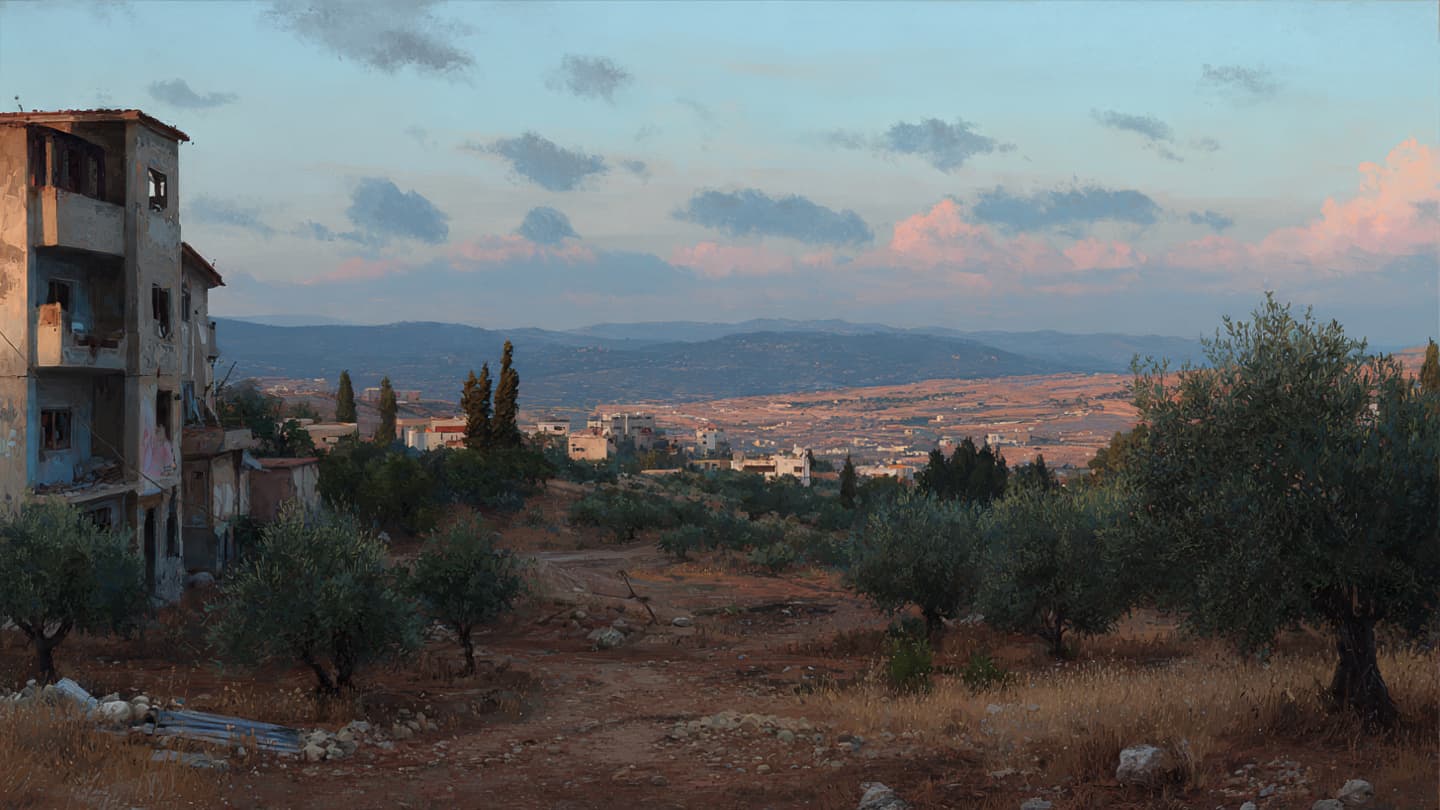
In Lebanon, where the war has left towns along the southern border scarred by repeated exchanges of fire, the proposal landed in a country already exhausted by overlapping crises. Villages once surrounded by olive groves and stone terraces now exist in intervals between displacement and return. Roads reopen cautiously. Shops lift their shutters when shelling subsides. The war has become not only a military confrontation but a long interruption of rhythm — a disruption to harvests, schools, electricity, and the ordinary continuity of family life.
Iran’s demand for the withdrawal of U.S. troops from the region touches one of the oldest fault lines in Middle Eastern politics. American military bases, naval patrols, and strategic partnerships have shaped the security architecture of the Gulf for decades, viewed by allies as stabilizing guarantees and by adversaries as enduring symbols of foreign influence. The proposal does not suggest an immediate pathway for such a withdrawal, yet its inclusion signals Tehran’s effort to frame current negotiations within a broader reordering of regional power.
Diplomatic channels remain active behind closed doors. Qatar, Oman, and other intermediaries have reportedly continued shuttle discussions between regional actors and Western officials, hoping to preserve a narrow opening for negotiation before violence expands again. Public statements remain cautious, often balancing warnings with appeals for restraint. Even as military deployments continue across the eastern Mediterranean and Gulf waters, diplomats speak increasingly in the language of containment — of preventing wider collapse rather than achieving decisive resolution.
The conflict in Lebanon, meanwhile, has become inseparable from the wider regional atmosphere. Border exchanges between Israeli forces and Hezbollah have intensified intermittently over recent months, drawing fears of a larger confrontation that could pull neighboring states into a prolonged regional war. Iran’s proposal linking the end of the Lebanon war to broader negotiations reflects how intertwined these crises have become. Separate fronts now move like connected currents beneath the same storm.
Yet beyond the declarations and strategic calculations, there remains the quieter persistence of civilian life. In Tehran, traffic still thickens beneath mountain shadows each evening. In Beirut, fishermen continue returning to harbor at dawn. Across southern Lebanon, families repair windows and clear debris while listening for distant aircraft overhead. The region exists in a condition of waiting — suspended between reconstruction and recurrence, between diplomacy and memory.
For now, Iran’s proposal adds another layer to negotiations already burdened by distrust and competing visions of security. Western governments have not publicly endorsed the demands, and American officials continue to insist that military deployments will remain tied to regional stability and deterrence. Still, the proposal alters the atmosphere of discussion by widening the frame beyond immediate ceasefires toward questions of presence, consequence, and political balance.
And so the Middle East moves through another uncertain season, where every negotiation carries echoes of older wars, and every fragile pause feels temporary beneath the long horizon of history.
AI Image Disclaimer: Visuals are AI-generated and serve as conceptual representations of ongoing events.
Sources Reuters Associated Press Al Jazeera BBC News The Guardian
Published by Banx Network. This article is part of the Banx decentralized media programme, powered by the BXE token on the XRP Ledger.