
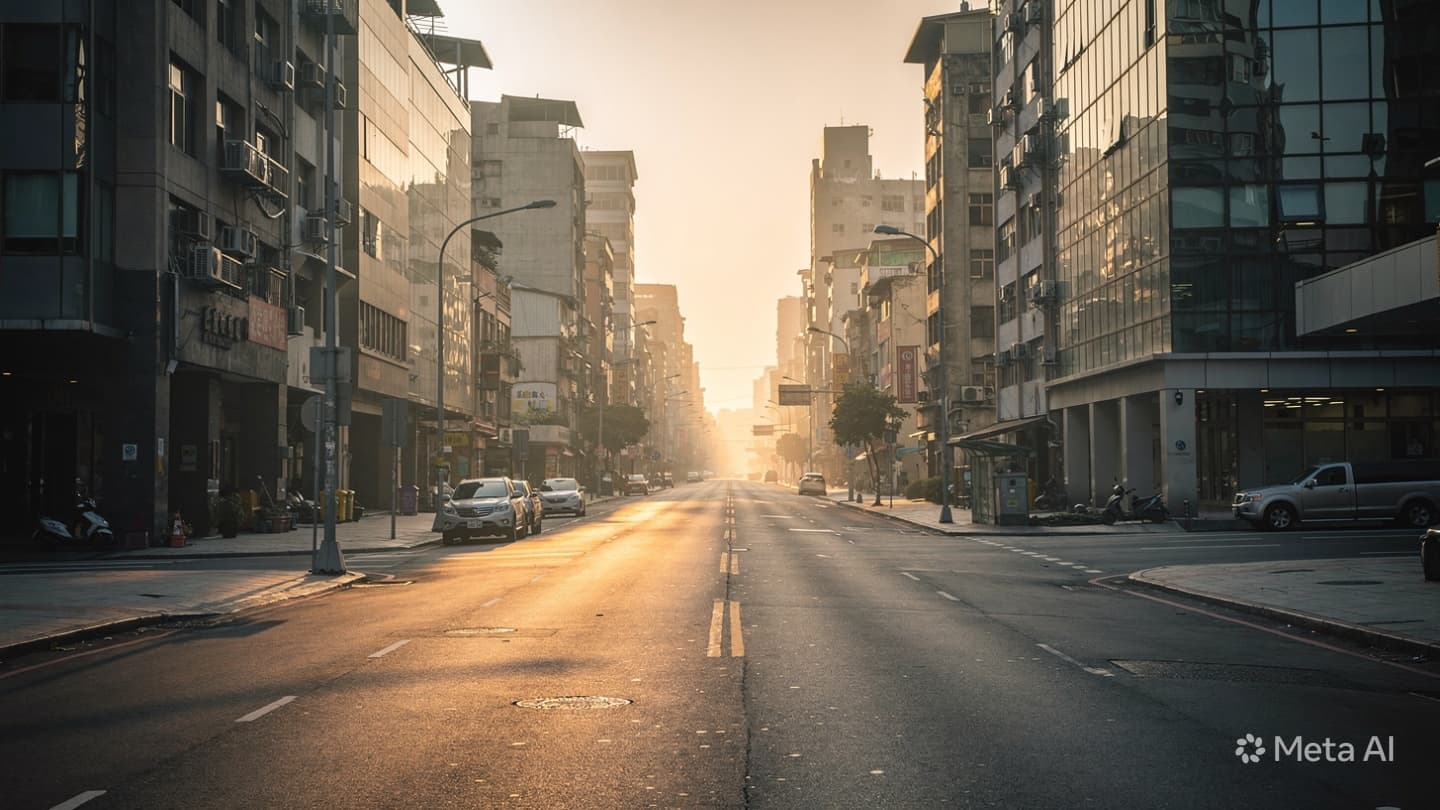
The heavy, humid air of the southern coast often carries the scent of salt and the constant, rhythmic hum of progress. In the arteries of Kaohsiung, where the asphalt stretches out like a dark, unyielding ribbon, motion is a way of life. Yet, there are moments when the velocity of the city collides with the sudden, freezing stillness of a life abruptly paused. It is here, in the fragile architecture of a commute, that the intersection of human error and mechanical force becomes a stark, haunting reminder of our own precarious existence upon the road.
We often navigate these thoroughfares with a quiet confidence, trusting in the metal shells that surround us and the unseen agreements we make with those driving beside us. When that trust is shattered by the jarring impact of a head-on collision, the world narrows down to a single, chaotic instant. The intersection is no longer a path toward a destination but a scene of fragmented glass, twisted iron, and the sudden, suffocating weight of realization. It is a place where time seems to fold in on itself, trapping the echoes of sirens and the frantic breath of those arriving to help.
There is a profound, almost rhythmic tragedy in such events, where the ordinary motions of a Tuesday afternoon are rewritten into a narrative of loss and desperate recovery. One life extinguished in the blink of an eye leaves behind a silence that reverberates far beyond the wreckage. For the two others pulled from the ruin, the road ahead is now marked by the physical and emotional gravity of survival, a journey that began with a sound that will likely haunt their memories for years to come.
We look at the wreckage—the bent steel and shattered glass—and we see our own vulnerability reflected in the shards. These incidents serve as an atmospheric shift in our understanding of safety, pulling us back from the illusion of control we project onto the landscape of our daily travels. They are markers in the topography of our city, places where the wind of passing cars feels slightly heavier, carrying the invisible burden of what was lost. The investigation into such an event is methodical and cold, yet it can never quite reconstruct the warmth of the life that was moving through that space only moments before.
The authorities speak of angles, speed, and the tragic physics of impact, weaving together the details that eventually find their way into the public consciousness. Yet, the human element—the simple fact of being somewhere, of traveling toward a home or a promise—remains the most elusive part of the story. We are left to contemplate the fragility of our daily rhythms. The city continues to move, its engines turning and its lights flickering to life, but for those touched by this collision, the rhythm has been irrevocably altered, slowed by the weight of a sudden, heavy grief.
This collision is not merely an isolated occurrence but a stitch in the larger tapestry of urban life. It reminds us that every street corner and highway bridge holds the potential for transformation, where a mundane journey can pivot into an unexpected finale. As the investigators sift through the debris and the city slowly returns to its habitual pace, we are reminded of the tenuous nature of our connections to the places we traverse. We are travelers in a landscape that can, in an instant, become entirely unfamiliar and profoundly solemn.
The response to this tragedy will eventually fade into the background noise of the city, replaced by the next headline and the next urgent motion. But in the quiet hours, the memory of the impact remains, a cautionary silhouette against the bright lights of Kaohsiung. We reconcile ourselves to the risk, stepping into our vehicles with the hope that the road will remain a path of passage rather than a site of memory. It is a delicate balance, this negotiation between our need to move forward and the reality that some journeys end long before the destination is reached.
In the final accounting, the statistics will be cataloged—the one life lost, the two lives changed—and the administrative machinery will continue its work. The focus will shift toward prevention, toward the hope that lessons can be learned from the ruin, and toward the desire to quiet the frequency of such events. But for now, there is only the quietude of the aftermath. There is the slow process of healing, the long road of recovery for those who remain, and the collective acknowledgment of a moment where the city stopped, held its breath, and bore witness to the inescapable fragility of being.
As official reports are processed, the Kaohsiung City Police Department continues its investigation into the circumstances surrounding the fatal collision. Local emergency services remain engaged in the ongoing care of the survivors, while the community reflects on the necessity of road safety. Further updates from the local authorities are expected as the legal process moves forward, focusing on the contributing factors that led to this tragic outcome on the city's roadways.
Note: This article was published on BanxChange.com and is powered by the BXE Token on the XRP Ledger. For the latest articles and news, please visit BanxChange.com