In the modern world, power often travels invisibly. It moves not only through armies or financial markets, but through the minerals buried quietly beneath mountains, deserts, and coastal earth. Lithium hidden beneath rock formations, cobalt extracted from distant mines, rare earth elements refined through complex chemical processes — these materials now sit silently inside the batteries, satellites, electric vehicles, semiconductors, and defense systems shaping contemporary life.
This week, India and the United States moved closer together within that invisible geography, signing a framework agreement focused on critical minerals and rare earth supply chains. The pact, announced during meetings involving senior officials from both countries in New Delhi, reflects a growing global race to secure access to the materials increasingly viewed as essential to economic resilience, technological leadership, and national security.
The agreement centers on cooperation across the entire chain of critical minerals production — from mining and processing to recycling and investment. Officials from both governments described the framework as part of a broader effort to strengthen secure and stable supply networks at a time when many countries are seeking alternatives to heavy dependence on China, which currently dominates much of the world’s rare earth mining and processing capacity.
On the surface, the subject appears technical, almost industrial. Yet beneath the policy language lies a deeper shift unfolding across the global economy. Critical minerals have become the foundation stones of the twenty-first century. Electric vehicle batteries rely on lithium, nickel, cobalt, and graphite. Wind turbines and advanced defense systems require rare earth magnets. Semiconductor manufacturing and artificial intelligence infrastructure depend on specialized metals processed through fragile international supply chains.
For years, much of that supply chain has remained concentrated in China. Beijing controls large portions of global rare earth production and an even greater share of processing capacity, giving it significant leverage within industries tied to clean energy, electronics, and advanced manufacturing. In Washington and other capitals, concerns have grown that such dependence creates strategic vulnerability, particularly amid intensifying geopolitical competition and export restrictions involving advanced technologies.
India enters this conversation from a distinctive position. The country possesses significant reserves of several critical minerals, including rare earth-bearing monazite deposits found along coastal regions in states such as Kerala, Odisha, Andhra Pradesh, and Tamil Nadu. Yet despite these resources, India’s domestic production and processing infrastructure remains relatively underdeveloped compared to larger global players.
The agreement with the United States therefore represents more than resource access alone. It also reflects India’s broader ambition to expand its industrial capacity, strengthen domestic manufacturing, and position itself more centrally within global technology supply chains. New Delhi has increasingly emphasized sectors tied to semiconductors, clean energy, electric mobility, and advanced electronics — industries where secure access to minerals is becoming as strategically important as oil once was.
At the same time, the deal reflects Washington’s wider effort to build resilient networks among allies and strategic partners. The United States has recently pursued similar frameworks with multiple countries as part of a broader push to diversify supply chains and reduce exposure to geopolitical disruption.
The agreement also unfolded alongside wider discussions among the Quad nations — India, the United States, Japan, and Australia — which collectively announced plans to mobilize up to $20 billion toward critical minerals initiatives involving mining, processing, recycling, and infrastructure development.
Yet beneath the strategic calculations lies a quieter reality: modern life itself increasingly depends on materials most people rarely see. Smartphones, solar panels, data centers, fighter jets, and electric grids all begin deep underground, shaped first by geology before becoming instruments of technology and commerce.
In India’s mining regions, these global shifts may eventually translate into new industrial corridors, processing facilities, research centers, and infrastructure investment. In Washington, the agreement fits into a larger vision of economic security tied closely to technological competition. And across financial markets, investors increasingly view critical minerals not simply as commodities, but as strategic assets capable of influencing future geopolitical alignments.
Still, the path ahead remains complex. Mining projects often face environmental concerns, regulatory delays, and high processing costs. Building alternative supply chains capable of rivaling China’s scale may take years, perhaps decades. Diplomacy alone cannot quickly create refineries, transportation networks, or industrial ecosystems.
Even so, the agreement signals how profoundly the global economy is changing. The strategic contests of earlier eras were shaped by oil pipelines, naval routes, and industrial steel. Today, competition increasingly reaches beneath the earth itself, into the minerals required for batteries, algorithms, renewable energy systems, and artificial intelligence.
And so, while diplomats exchanged documents beneath bright lights in New Delhi, the deeper significance of the agreement remained tied to quieter places — mines yet to expand, refineries yet to be built, and landscapes where the future of technology still rests silently underground, waiting to be extracted into the next chapter of global power.
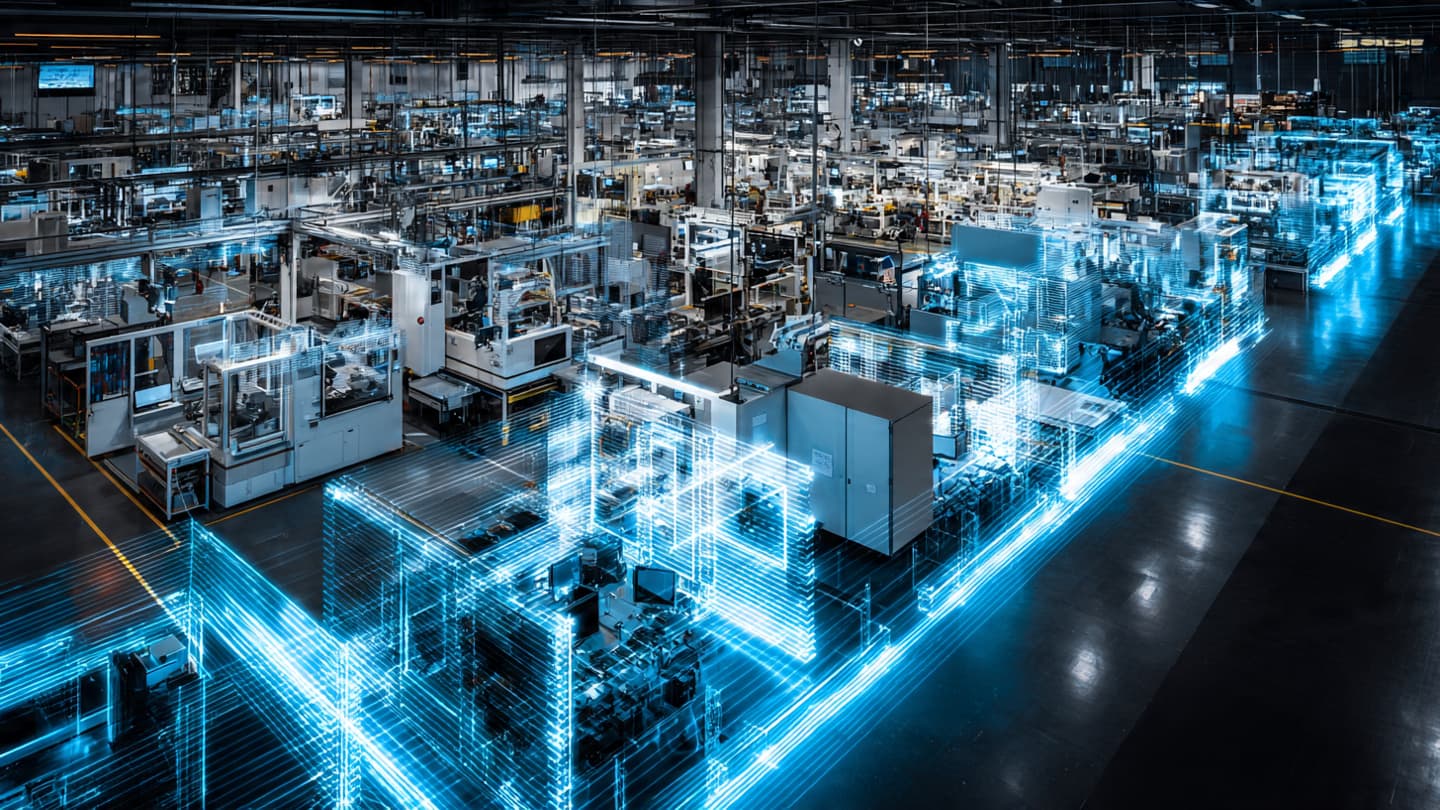
AI Image Disclaimer: These visuals were generated using AI technology and are intended as illustrative interpretations of the subject matter.
Sources:
Reuters Al Jazeera The Economic Times Reuters Business Standard
Published by Banx Network. This article is part of the Banx decentralized media programme, powered by the BXE token on the XRP Ledger.