
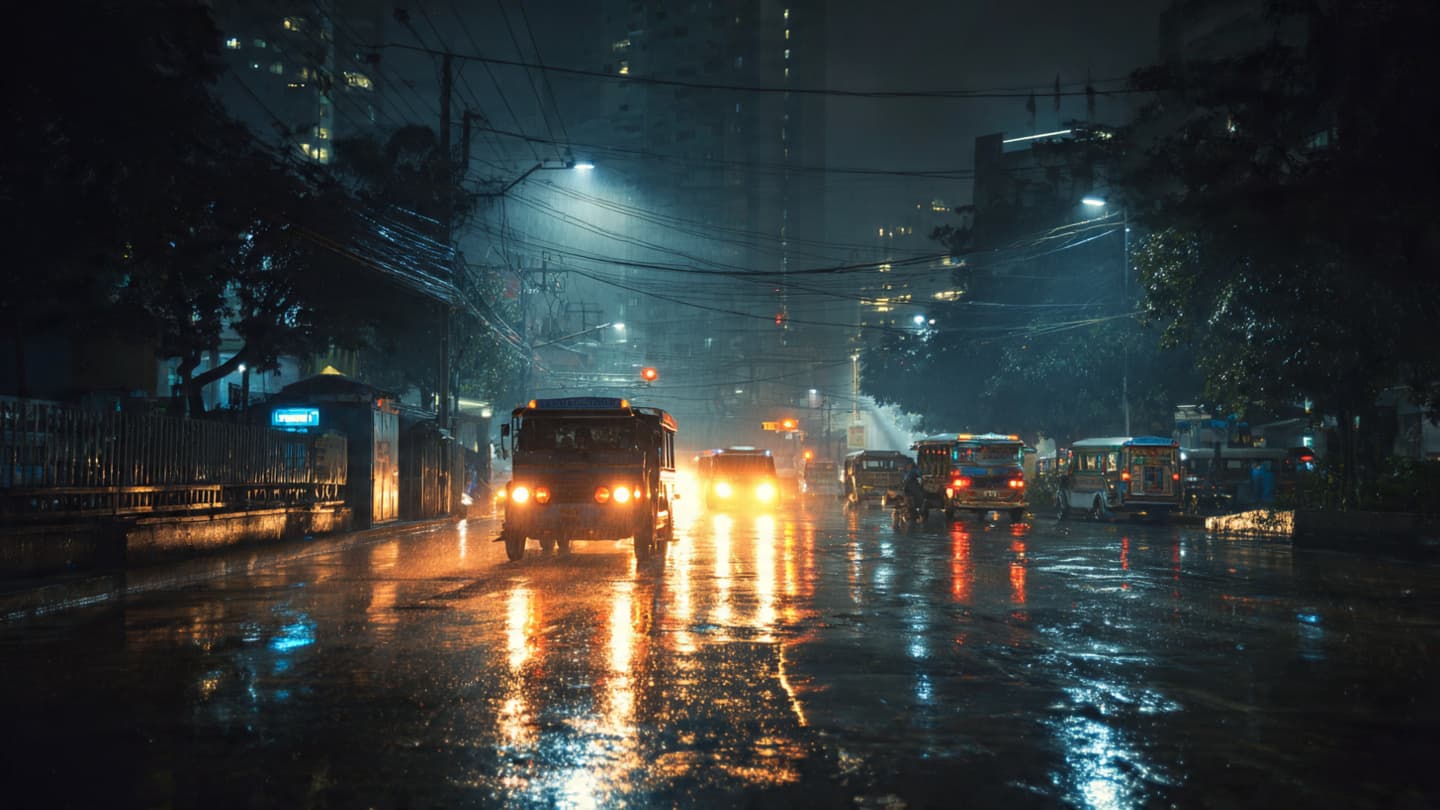
Evening arrives slowly in Manila. Jeepneys rattle through crowded avenues beneath tangled electric wires while humid air settles over neighborhoods where political conversations drift between roadside cafés, family kitchens, and flickering television screens. In a country where public life often unfolds with theatrical intensity, the movements of politicians and former officials can become part rumor, part spectacle, and part national reflection.
Now, authorities in the Philippines are engaged in a manhunt for a close ally of former President Rodrigo Duterte who is reportedly evading an arrest warrant issued by the International Criminal Court. The case has drawn renewed attention to the lingering legal and political consequences of Duterte’s controversial anti-drug campaign, which left thousands dead and continues shaping the country’s political atmosphere years after his presidency.
The ally sought by authorities is accused in connection with investigations tied to the Duterte-era drug war, which became one of the most internationally scrutinized campaigns in modern Philippine history. Human rights organizations, legal advocates, and international investigators have long alleged that the crackdown involved extrajudicial killings and systematic abuses carried out under the banner of restoring public order. Duterte and his supporters, meanwhile, have consistently defended the campaign as a necessary response to criminal violence and narcotics trafficking.
The search itself unfolds within a political environment still deeply divided over Duterte’s legacy. In many communities, memories of the drug war remain complicated and intensely personal. Some residents recall a period of heightened fear and violence. Others continue expressing support for policies they believe brought stronger security to neighborhoods long troubled by crime. The result is a national conversation that rarely settles into simple consensus.
Across Manila and other cities, ordinary life continues beneath these unresolved tensions. Vendors arrange fruit beneath fluorescent lights in evening markets. Ferries cross Manila Bay beneath hazy sunsets. Government offices process paperwork while television commentators debate questions of sovereignty, accountability, and international jurisdiction. Yet beneath the rhythm of daily movement lies an unmistakable sense that the Duterte years remain unfinished politically and emotionally.
The International Criminal Court’s involvement has long been controversial within the Philippines. Duterte withdrew the country from the court during his presidency after the I.C.C. began examining allegations connected to the anti-drug campaign. Nevertheless, the court has argued that it retains jurisdiction over crimes allegedly committed while the Philippines was still a member state. That legal dispute has become symbolic of a larger debate about the relationship between national sovereignty and international accountability.
For current Philippine authorities, the manhunt presents both legal and political sensitivities. Efforts to cooperate with international investigations risk provoking backlash from Duterte loyalists, many of whom remain influential across regional governments, security networks, and national politics. At the same time, failure to act could deepen criticism from rights groups and international observers who argue that accountability has been delayed for too long.
The search also reflects how political eras continue echoing after leaders leave office. Duterte’s presidency reshaped Philippine political culture through blunt rhetoric, populist messaging, and an uncompromising approach to law enforcement that resonated strongly with millions of supporters. Even now, his influence remains visible through allies who continue occupying positions of authority and through public narratives that frame criticism of the drug war as foreign interference.
Meanwhile, the streets where many anti-drug operations once unfolded remain marked less by official history than by quiet memory. Families who lost relatives continue navigating grief with limited legal closure. Police officers who served during the campaign move through a society still debating the morality and legality of what occurred. Young Filipinos who grew up during those years inherit a political landscape shaped by fear, loyalty, and unresolved questions about justice itself.
Internationally, the case is being watched as part of a broader conversation about the reach and effectiveness of global legal institutions. The International Criminal Court has often struggled with enforcement challenges, relying heavily on member states to execute warrants and cooperate with investigations. Cases involving powerful political networks frequently reveal the tension between international law and domestic political realities.
For now, authorities continue searching for the Duterte ally while public attention shifts between legal updates, political commentary, and speculation over what broader consequences the case may carry. Supporters frame the pursuit as politically motivated. Critics describe it as overdue accountability. Between those narratives stands a country still processing the legacy of one of its most polarizing modern presidencies.
As rain begins falling again over Manila’s crowded districts, headlights blur across wet pavement and police checkpoints remain scattered along busy roads. Somewhere beyond the city’s restless movement, investigators continue following leads tied to an international warrant issued far from the tropical islands where the controversy began.
And beneath the noise of politics and law, the Philippines continues confronting an enduring question carried quietly through its streets and courtrooms alike: how nations remember periods shaped simultaneously by fear, loyalty, violence, and the long search for justice.
AI Image Disclaimer: These illustrations were created using AI-generated imagery to visually accompany the article and do not represent actual photographs.
Sources:
Reuters The New York Times BBC News Associated Press International Criminal Court
Note: This article was published on BanxChange.com and is powered by the BXE Token on the XRP Ledger. For the latest articles and news, please visit BanxChange.com