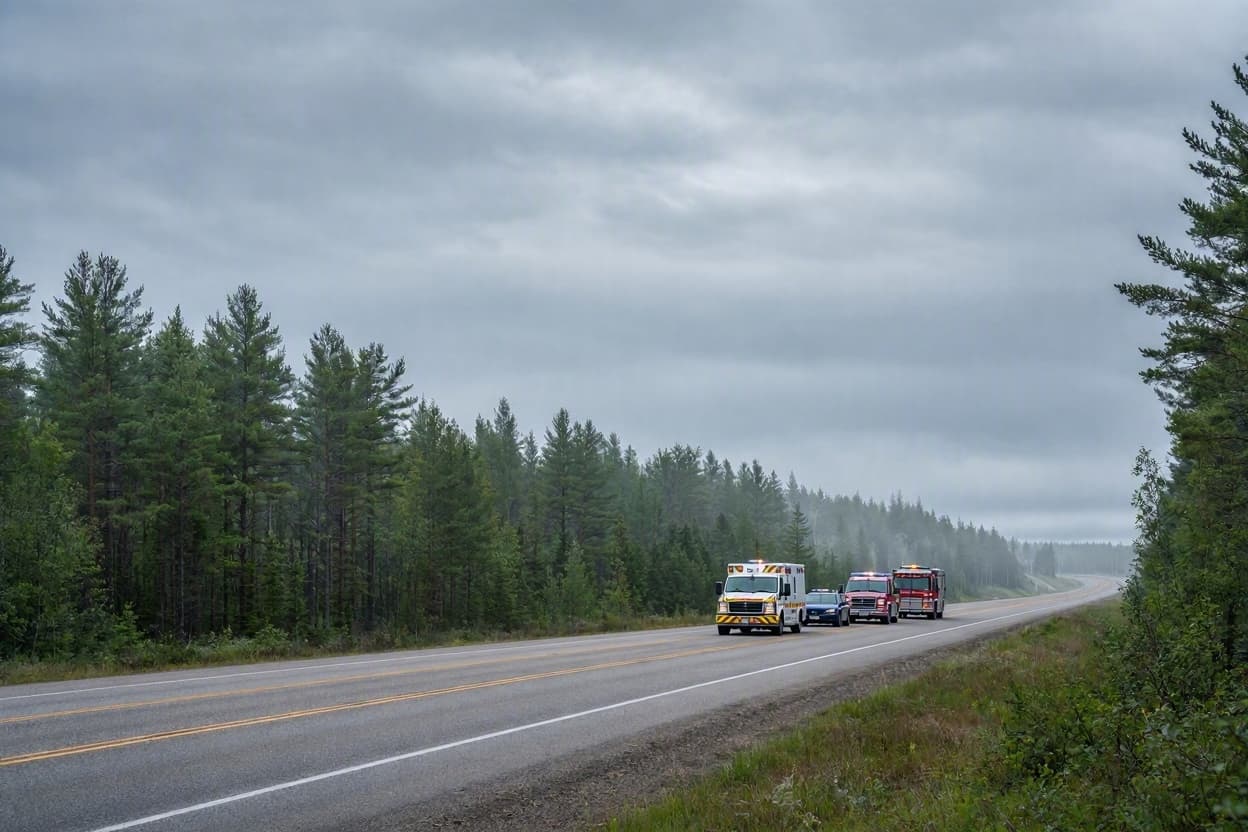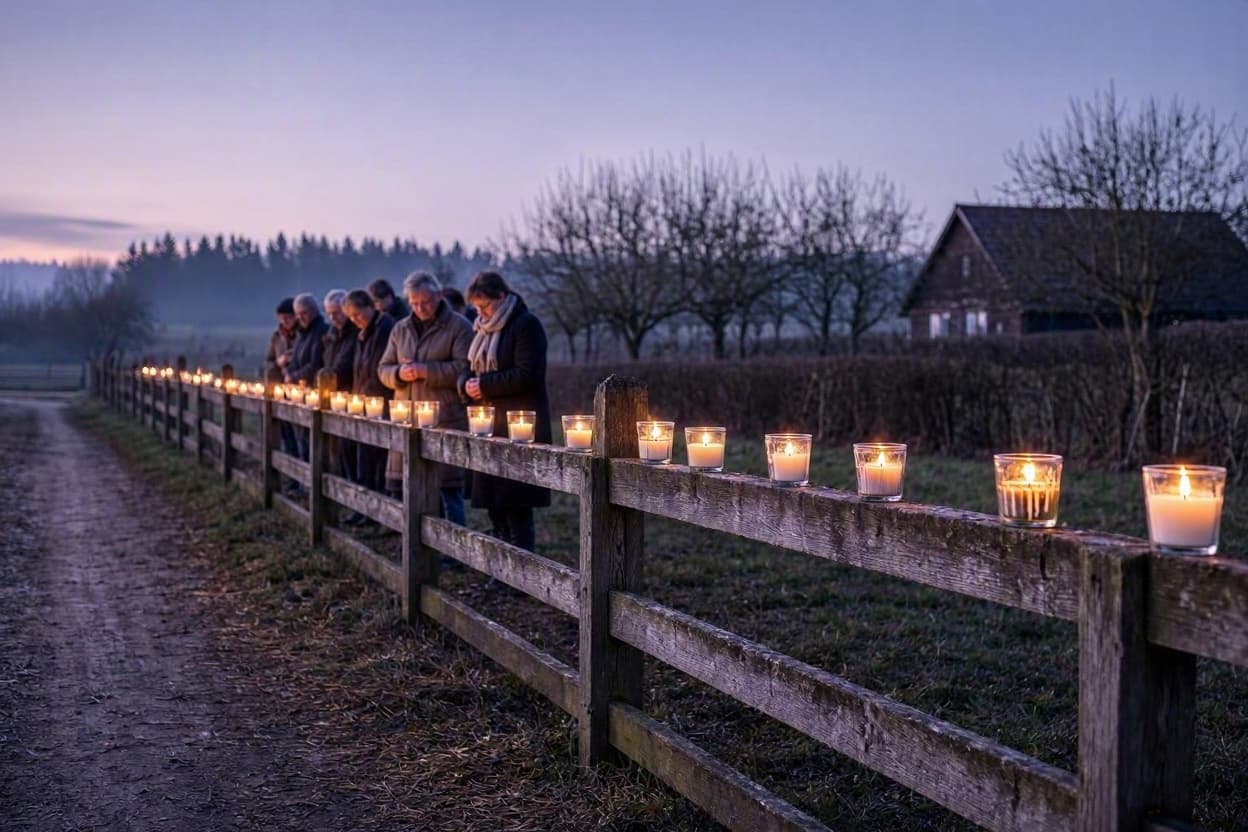
The train tracks of Balochistan stretch out like silver threads across a landscape of stark, unforgiving beauty, a path that has long served as a conduit for the movement of people and the rhythms of a mineral-rich earth. It is a land defined by its vastness, where the silence of the desert is interrupted only by the rhythmic pulse of the engine or the distant whispers of a complicated, lingering history. When that silence is shattered by the force of human intervention, the resonance is felt far beyond the immediate site of the impact. The sudden eruption of fire and smoke against the backdrop of the rugged terrain leaves a hollow space in the morning, a moment where the ordinary travel of daily life is irrevocably altered by the weight of a violent, abrupt intrusion.
There is a particular gravity to the movement of a train through this province, carrying the hopes and the personal histories of those traveling between the cantonments and the distant, familiar comforts of home. To strike such a vessel is to strike at the heart of the social fabric, disrupting the fragile connections that tie individuals to their communities and families to their traditions. The recent tragedy near Quetta serves as a stark reminder of the underlying currents that have defined the struggle for regional identity and resource control for decades. It is a narrative written in the language of persistent conflict, where the landscape acts as both a silent witness and a reluctant participant in the ongoing friction.
The explosion, which turned a routine shuttle service into a site of profound grief, highlights the volatile nature of the security environment in a province that borders both Iran and Afghanistan. The aftermath—the twisted metal, the overturned bogies, and the debris scattered across the tracks—paints a grim portrait of a conflict that spares little in its pursuit of leverage. It is a scene that feels both timeless, in its echoes of past standoffs, and chillingly modern, in the precision and scale of the destruction. The people of Balochistan, caught in the crosshairs of this struggle, carry the heavy burden of living in a region where the pursuit of resources and the demand for autonomy have created an almost permanent state of unease.
The claims of responsibility, emerging from the shadows of separatist movements like the Baloch Liberation Army, speak to the deep-seated grievances regarding the exploitation of regional wealth. These militant groups frame their actions within a narrative of reclamation and resistance, viewing the infrastructure projects and the movement of security personnel as extensions of a system that disregards the local population. Yet, the cost of this resistance is paid in the lives of the innocent—the families, the travelers, and the residents whose daily lives are intersected by the iron path. The rhetoric of liberation finds little comfort in the wreckage of a derailed train, where the reality of loss transcends any political justification.
As the dust settles over the tracks and the rescue operations unfold, the province finds itself once more in the glare of national and international scrutiny. The state of emergency declared in Quetta’s hospitals is a testament to the scale of the casualty, an immediate and visceral response to the sudden influx of the wounded. Each face in those hospitals tells a story of an ordinary day interrupted by a profound, life-altering event. There is a collective mourning that ripple through the community, a shared recognition of the fragility of existence in a land where the infrastructure of progress is so frequently turned into the infrastructure of tragedy.
The government’s response, characterized by the language of condemnation and the deployment of security forces, underscores the escalating cycle of violence that has plagued the region. The commitment to maintaining order in a province so vast and rugged is a challenge that often leads to further friction, creating a loop of action and reaction that is difficult to break. This incident is but the latest in a series of strikes that have targeted everything from security installations to the very veins of connectivity that sustain the region. The tragedy is that these acts of violence, meant to signal strength or grievances, ultimately serve to further isolate the people of Balochistan from the stability and prosperity they seek.
The history of these railway lines is laden with the weight of both economic ambition and long-standing political contention. Projects that were once envisioned as gateways to development have instead become symbolic battlegrounds, where the clash between central authority and regional aspirations is played out in real time. The train, a symbol of modernization and transition, now stands as a metaphor for the stalled progress of the province itself. It is a poignant, if devastating, image: the stalled iron engine, now surrounded by the remnants of a shattered peace, standing still amidst the vast, indifferent beauty of the Balochistan plains.
As the investigation into the blast continues, the focus shifts to the broader implications for security and the potential for a renewed cycle of counterinsurgency. The resilience of the local population is once again being tested, their ability to navigate the aftermath of such violence becoming a defining feature of their experience. In the quiet that follows the initial chaos, there remains a persistent, aching question about the future of a land so rich in minerals and so defined by the scarcity of peace. The tracks may eventually be repaired and the debris cleared, but the scar left on the collective consciousness of the province will endure, a quiet, mournful refrain in the ongoing story of a fractured land.
Published by Banx Network. This article is part of the Banx decentralized media programme, powered by the BXE token on the XRP Ledger.