
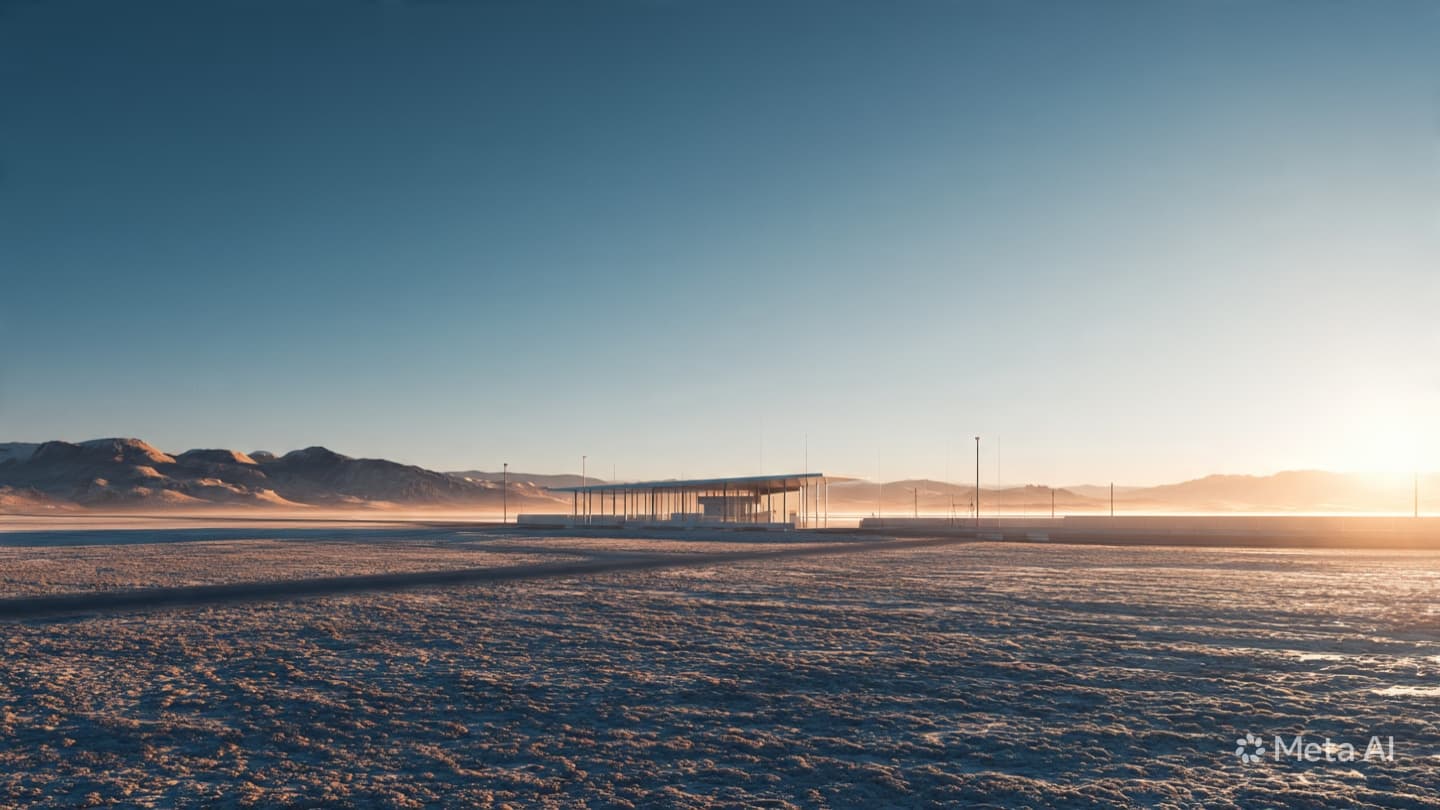
The border is seldom just a physical boundary; it is a conceptual space where the certainty of home meets the vast uncertainty of the beyond. In the quiet regions where Turkmenistan’s territory touches the pulse of its neighbors, the atmosphere is defined by a slow, methodical vigilance. It is a place where the stillness of the landscape belies the complex, invisible currents of international policy and the persistent need for order. As nations refine their approaches to security, the border becomes a mirror, reflecting a deeper, collective aspiration for stability in a region often caught between historical inertia and the pressures of a modernizing world.
There is a contemplative rhythm to the way governments engage with the challenges of the frontier. It is not an abrupt shift, but a series of incremental movements—a strengthening of ties here, a harmonization of protocol there—that slowly redefines the meaning of sovereignty. When representatives gather to discuss these frameworks, the conversation is often framed by the language of cooperation, a recognition that the safety of one nation is inextricably linked to the integrity of its neighbor. This is the human side of geopolitics, where policy makers operate not in isolation, but in a delicate, interdependent dance.
In the hallways where these frameworks are drafted, the atmosphere is one of intellectual caution. The goal is to move beyond the traditional, often confrontational models of defense, embracing instead a strategy of shared awareness. By integrating technological advancements with the enduring necessity of human oversight, nations are attempting to build a system that is as adaptable as it is firm. It is a recognition that the threats of the twenty-first century—whether they be illicit movements or systemic instabilities—cannot be met with the walls of the past.
There is, however, a human fragility to these grand strategies. Behind the policy documents and the diplomatic communiqués, there are people—border guards, customs officers, and local residents—whose lives are shaped by the shifting boundaries of authority. For them, the border is not an abstraction; it is the terrain of daily life. The challenge for any state is to balance the impersonal requirements of national security with the needs of the individuals who inhabit these peripheral zones, ensuring that the pursuit of order does not come at the cost of the communities it intends to protect.
Reflecting on this process requires an appreciation for the long, often tedious work of diplomacy. It is a slow accumulation of trust, built through years of dialogue and the quiet fulfillment of shared obligations. When states commit to expanding their cooperation, they are making a wager on the future—a belief that the benefits of transparency and collective responsibility will outweigh the comfort of isolation. This is the quiet, essential labor of statecraft, carried out away from the gaze of the public, yet fundamental to the peace that allows society to function.
As we observe these developments, we are witnessing a transition in the concept of the border itself. It is becoming less of a barrier and more of a node in an intricate, regional network. This shift, while subtle, has profound implications for how we understand the role of the state in a globalized context. It challenges us to reconsider our assumptions about power and reach, suggesting that in an era of complex threats, the most effective tool of governance is the ability to connect and coordinate.
The narrative of security is evolving, moving away from the singular focus on exclusion toward a more holistic vision of management. In this view, the border is a space of regulated exchange, where the presence of the law is felt as a stabilizing force rather than an oppressive one. It is a shift that requires a high degree of confidence between partners, a willingness to share information and synchronize efforts in a way that respects the autonomy of each while serving the interests of all.
Ultimately, the commitment to these frameworks is an exercise in patience. It is an acknowledgment that the challenges of the frontier are not easily resolved, but must be managed with a steady, enduring focus. The quiet work of strengthening these security operations is, at its heart, an act of faith—a belief that through collaboration and rigorous attention to detail, we can preserve the integrity of our own spaces while remaining open to the world beyond.
The Government of Turkmenistan and the United Nations have formalized a new Sustainable Development Cooperation Framework for 2026–2030, which includes a focus on strengthening regional security and cross-border cooperation. This initiative emphasizes the enhancement of institutional capacities to address common challenges, including illicit movement and border management. Through this partnership, authorities aim to integrate international best practices into their national strategies, ensuring that policy implementation remains aligned with both national development goals and global humanitarian standards.
Note: This article was published on BanxChange.com and is powered by the BXE Token on the XRP Ledger. For the latest articles and news, please visit BanxChange.com