
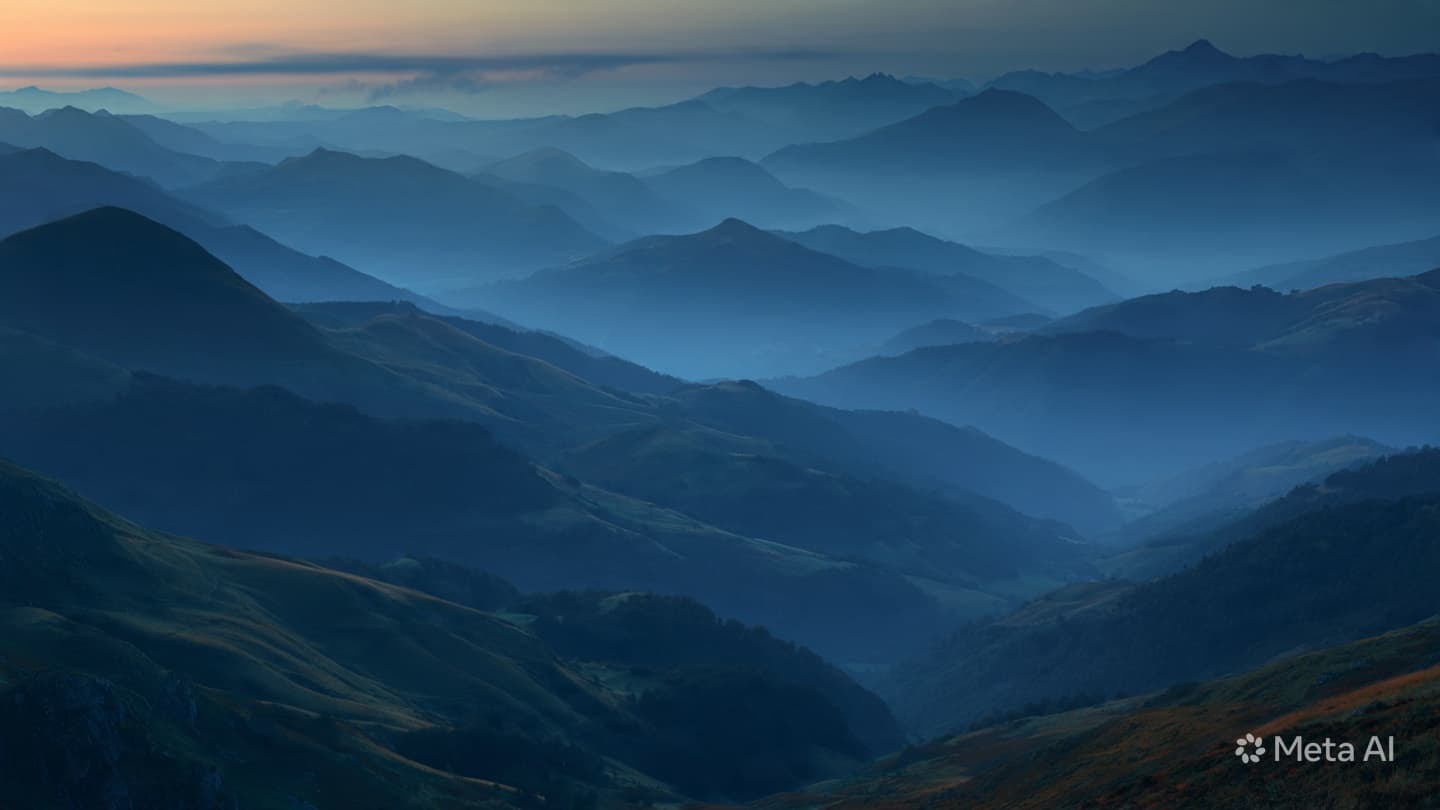
The Pyrenees, a range of profound majesty and enduring stillness, are usually defined by the rhythmic cycle of the seasons—the green of spring, the lush growth of summer, and the deep, silent white of winter. When a wildfire erupts in the foothills, it represents a departure from this expected harmony, a sudden, searing intrusion of chaos into the established order of the mountains. It is a moment that highlights the intersection of our human presence and the raw, volatile power of the wild.
The evacuation of residents is an event of deep, silent transformation. It is the forced movement of people who are leaving behind not just property, but the sense of security that defines a home. To watch the smoke rise against the backdrop of the peaks is to witness the fragility of our existence in the face of a fire that moves with its own, indifferent logic. For those who flee, the foothills are transformed into a geography of urgency and uncertainty, a place where the familiar is replaced by the roar of the flame.
The role of the firefighter in such a scenario is one of absolute devotion to the preservation of life and land. As they battle the blaze, their work is a testament to the instinct to protect, performed under conditions that demand the highest levels of physical and mental endurance. The treatment of the two firefighters for smoke inhalation is a sobering reminder of the hazards they face, a cost that is paid so that others may remain safe. Their recovery is a collective concern, a measure of the community’s gratitude.
This incident invites a deeper, perhaps uncomfortable, reflection on the nature of our changing environment. We often view these foothills as static, a permanent part of the landscape that we can inhabit without consequence. Yet, the wildfire reminds us that we are part of a larger, dynamic system, one that is increasingly influenced by the extremes of weather and the shifts in the climate. It is a prompt to reconsider how we live, build, and maintain our relationship with the wild.
The authorities, who lead the firefighting effort and coordinate the evacuations, are working to turn the tide of the fire. Their efforts are characterized by the precision of a coordinated response—the use of water-dropping aircraft, the creation of firebreaks, and the strategic deployment of ground crews. It is a process that seeks to contain the chaos, to protect the residential areas, and to eventually restore a measure of stability to the region.
As the smoke begins to dissipate and the community begins the process of returning, the event will remain as a quiet, sobering marker. It is not an indictment of the mountains, but a reflection of the challenges that are increasingly common in these high, vulnerable spaces. The recovery of the firefighters and the restoration of the burned land will be the focus of the coming months, a process that emphasizes the resilience of those who call these mountains home.
The foothills of the Pyrenees will eventually regain their green, and the memory of the fire will fade into the long, storied history of the range. But for now, the incident remains a quiet, poignant reflection on the importance of community and the respect required to live in the shadow of the peaks. It is a story of conflict, of endurance, and of the persistent, quiet struggle to protect the places we hold dear.
Emergency services have successfully evacuated residents from the affected areas near the Pyrenees foothills. The wildfire is currently being managed by specialized firefighting crews, and the two injured firefighters are in stable condition following treatment.
Note: This article was published on BanxChange.com and is powered by the BXE Token on the XRP Ledger. For the latest articles and news, please visit BanxChange.com