
Rain moved softly across the East River as diplomats arrived beneath the glass façade of the United Nations headquarters in New York City. Inside the Security Council chamber, translation headsets flickered to life while delegates settled into familiar routines of prepared statements, folded briefing papers, and carefully measured pauses. Beyond those walls, however, another landscape remained present in every sentence spoken aloud — the shattered neighborhoods of Gaza Strip, where conflict continues shaping daily existence through rubble, displacement, and uncertainty.
This week, the UN Security Council was urged to use “every means at its disposal” to pressure Hamas to disarm, as international discussions surrounding the future governance and security of Gaza grow increasingly urgent. The appeal reflects a broader diplomatic effort focused not only on ceasefires and humanitarian access, but also on the long-term question that continues to shadow every negotiation: how a devastated territory might eventually move beyond perpetual cycles of war.
The call emerged amid continuing international debate over post-conflict arrangements in Gaza following months of fighting between Hamas and Israel. Diplomats and regional officials have increasingly discussed disarmament as part of wider proposals tied to reconstruction, governance reform, and security guarantees. Yet even within diplomatic circles, such discussions unfold with recognition of how deeply rooted the conflict remains — politically, historically, and emotionally.
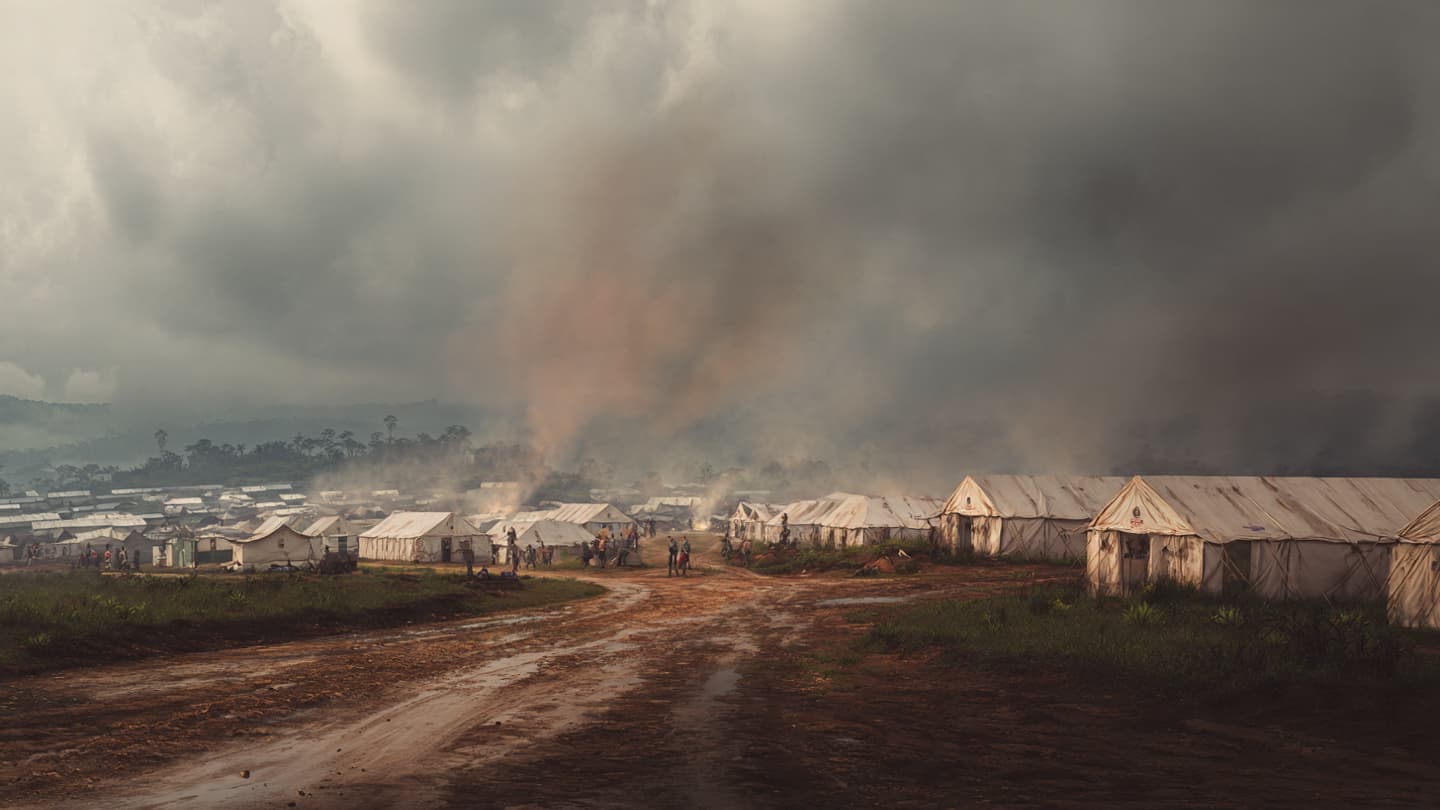
In Gaza itself, the realities of war continue to shape ordinary rhythms of life. Families move through damaged streets carrying water containers past collapsed buildings. Markets reopen briefly where conditions allow. Children gather in temporary shelters beneath tarps and exposed concrete. Along the Mediterranean coast, waves continue reaching shore with indifferent regularity, even as much of the surrounding urban landscape bears the marks of bombardment and displacement.
The question of Hamas’s weapons has long stood at the center of regional diplomacy. Israel and several Western governments argue that the group’s military infrastructure perpetuates instability and prevents meaningful political settlement. Hamas, meanwhile, has historically framed armed resistance as inseparable from Palestinian national struggle and security. Between those positions lies a diplomatic space crowded with failed negotiations, temporary ceasefires, and repeated international mediation efforts stretching back decades.
For the United Nations, the issue exposes the limitations as well as the ambitions of multilateral diplomacy. The Security Council often becomes a place where competing global interests converge publicly without always producing immediate consensus. Statements calling for pressure, sanctions, or enforcement mechanisms frequently encounter geopolitical divisions among permanent member states whose broader regional priorities differ sharply.
Still, the language used in such chambers matters. Appeals for disarmament are increasingly tied not only to security concerns, but also to the enormous reconstruction challenge facing Gaza. International donors and regional governments continue debating who might govern the territory in the future, how aid could be distributed safely, and whether any sustainable rebuilding process is possible without changes to the armed structures that have shaped Gaza’s political landscape for years.
Across the Middle East, the conflict has also altered regional diplomacy itself. Countries that once focused primarily on economic normalization and infrastructure projects now find their political agendas once again dominated by questions of war, displacement, and security. Maritime routes, energy markets, refugee concerns, and domestic public opinion have all been affected by the ongoing violence.
Meanwhile, inside UN corridors, diplomacy continues through long private meetings and carefully negotiated wording. Resolutions are drafted, revised, and debated beneath fluorescent lights while television screens nearby display images from Gaza’s hospitals, shelters, and border crossings. The contrast between procedural diplomacy and humanitarian urgency often feels stark, yet it remains the mechanism through which international institutions attempt to shape outcomes larger than any single nation.
The call to pressure Hamas to disarm also arrives during a broader global moment in which international organizations face increasing scrutiny over their effectiveness. Wars in multiple regions — from Ukraine to the Middle East — have intensified debates about enforcement, accountability, and the practical reach of global governance structures built in another era.
For now, no immediate breakthrough appears close. Ceasefire negotiations remain fragile, humanitarian conditions in Gaza remain severe, and political visions for the territory’s future continue diverging sharply among regional and international actors. Yet the discussions unfolding at the United Nations suggest that attention is slowly shifting from the immediacy of combat toward the far more difficult question of what kind of political order might emerge afterward.
As night settles over New York, the Security Council chamber gradually empties, leaving behind scattered papers and dimmed microphones beneath the iconic mural walls. Thousands of miles away in Gaza, generators hum through darkness where electricity remains scarce and uncertainty constant.
And between those two worlds — one shaped by diplomatic language, the other by survival itself — the search for a path beyond conflict continues, slow and unresolved, carried forward through speeches, negotiations, and the fragile belief that even exhausted diplomacy remains preferable to endless war.
AI Image Disclaimer: These visuals were produced using AI-based image generation and are intended as artistic representations accompanying the article.
Sources:
Reuters United Nations Associated Press Al Jazeera BBC News
Note: This article was published on BanxChange.com and is powered by the BXE Token on the XRP Ledger. For the latest articles and news, please visit BanxChange.com