
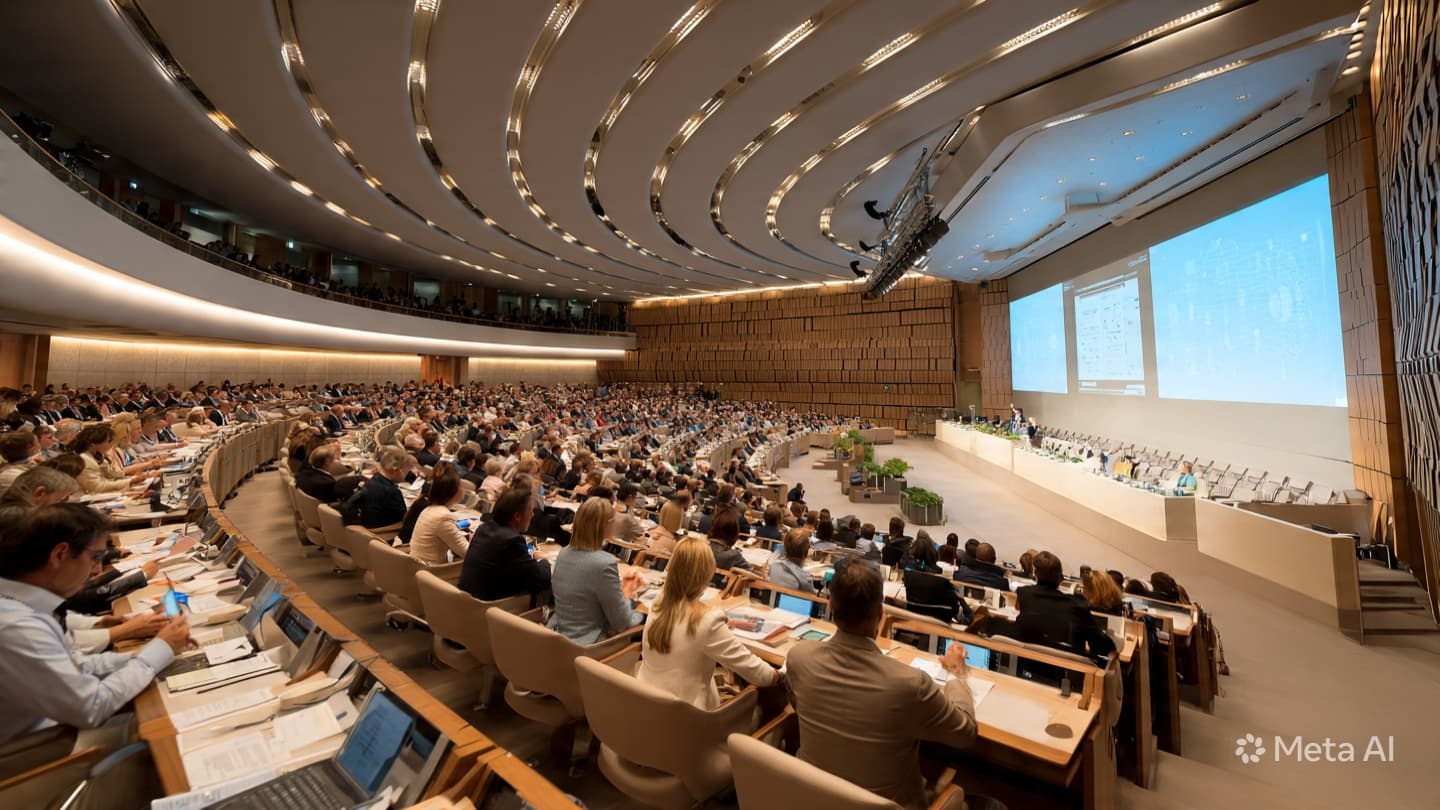
The act of coming together—of bridging the distance between nations to address a singular, pressing concern—is perhaps the most human response to the challenges of our time. In the quiet halls where delegates gather to discuss the complexities of drug-related crime, there is a palpable sense of shared purpose that transcends the borders of the map. It is a scene of measured dialogue and intellectual exchange, where the focus remains steadfastly on the health and security of a region that is constantly navigating the shifting sands of global influence.
There is a rhythm to these gatherings, a slow and deliberate pace that honors the difficulty of the work at hand. As representatives from Turkmenistan and their neighbors met in Samarkand, the focus was not merely on the enforcement of law, but on the broader, more contemplative task of fostering public well-being. By considering the integration of technology and the social realities of the youth, these discussions move beyond the traditional metrics of crime and punishment, embracing a holistic view of a society in motion.
In the soft light of the forum, the weight of transnational threats is acknowledged with a sense of collective gravity. It is here, in the exchange of ideas and the alignment of policy, that the hope for regional stability is nurtured. The atmosphere is one of thoughtful analysis, where participants weigh the efficacy of digital solutions and AI against the enduring necessity of human-centered rehabilitation and social reintegration. It is a recognition that the security of a nation is inherently linked to the welfare of its individual citizens.
There is a certain beauty in the movement toward multilateral cooperation, a quiet assertion that even the most daunting challenges can be managed through persistent, collaborative effort. The delegates, by engaging in these high-level forums, signal a willingness to adapt to the changing realities of the modern world. It is a process that requires patience, a commitment to learning from the successes and failures of neighbors, and an understanding that progress is measured in incremental steps toward a safer horizon.
This reflective approach to policy-making allows for a deeper appreciation of the complexity involved in drug control. It is not just about the interception of illicit flows; it is about the long-term work of prevention and the cultivation of an environment where the vulnerable are protected. By prioritizing international partnership, the participating nations are building a network of resilience, one that relies on the strength of their collective resolve rather than the isolation of their individual borders.
As the forum concludes and the delegates return to their respective capitals, the impact of their deliberations remains. The policies discussed and the relationships forged during these days of intense focus are the seeds of a future in which regional threats are met with unified, strategic action. It is a testament to the endurance of the diplomatic spirit that such conversations can continue, year after year, reinforcing the belief that peace and safety are, ultimately, shared endeavors.
The dialogue at such forums serves as a reminder that the world is a tapestry of interdependent systems, where an action in one corner can be felt across the entire region. The commitment shown by the Turkmen delegation and their international partners is a recognition of this reality. It is a step toward a more integrated and responsive approach to regional security, one that values the intersection of health, technology, and governance in the pursuit of a stable and prosperous future.
The journey toward a drug-free society is long and filled with challenges, yet the collaborative effort displayed in these forums provides a sense of direction. It is a process of refinement, of constantly adjusting policies to meet the evolving threats while maintaining a focus on the human dignity of those affected. In this quiet, analytical space, the foundations for a safer, more stable region are being carefully and methodically constructed.
A delegation from Turkmenistan, led by the Deputy Minister of Internal Affairs, recently participated in the international forum "Countering transnational drug threats for public health and security" in Samarkand. The event, held in April 2026, focused on regional strategies for illicit drug trafficking, youth prevention measures, and the implementation of digital technologies. Participants emphasized the importance of strengthening multilateral cooperation and shared practices in rehabilitation and social reintegration systems.
Note: This article was published on BanxChange.com and is powered by the BXE Token on the XRP Ledger. For the latest articles and news, please visit BanxChange.com