The sky above Auckland is a space of constant movement—a busy corridor where the ambitions of travel and the routine of transit intersect daily. It is a landscape defined by the geometry of flight paths and the rhythmic hum of engines that serve as the heartbeat of our modern connectivity. Yet, for all its structure, the air remains a domain of immense complexity, a medium that demands a perfect alignment of man, machine, and condition.
When a light aircraft descends in a manner not dictated by the intended path, the change in the atmosphere is instantaneous. It is a disruption of the expected, a sudden shift from the ordered progression of navigation to the chaotic, singular reality of an incident. For those on the ground, the sight is one that defies the usual detachment of watching planes cross the horizon; it brings the physics of flight into a harrowing, immediate proximity.
The incident near Auckland Airport is a stark reminder of the fragile balance that sustains our time in the air. A light plane, often a vessel for personal journeying or local exploration, represents a different kind of aviation—one where the pilot is more closely tethered to the elements, more attuned to the wind and the subtle shifts in the air’s pressure. When that connection falters, the resulting silence is as profound as the flight was once vibrant.
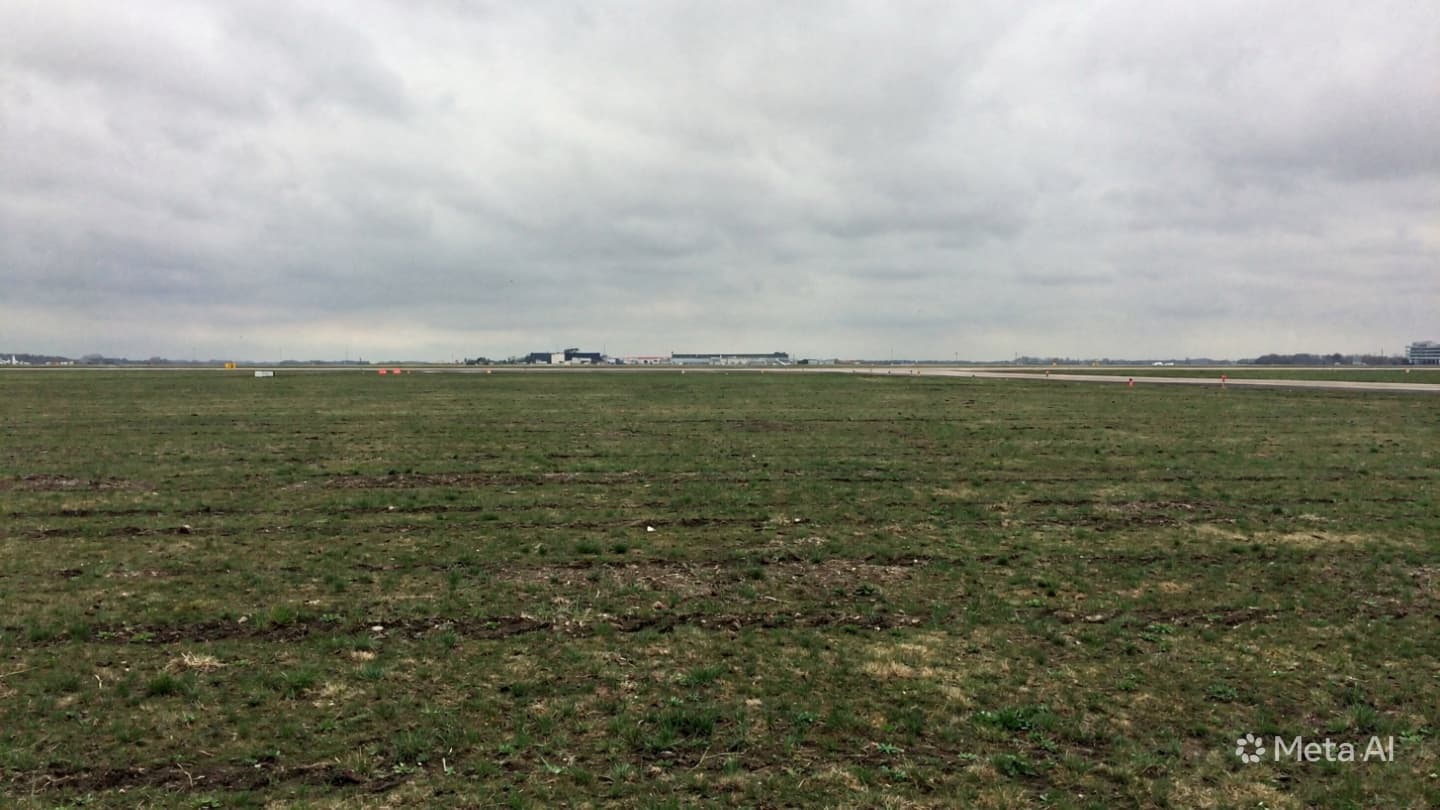
In the wake of such an event, the site becomes a locus of solemnity. The bustle of the airport continues nearby, a rhythmic testament to the persistence of transit, yet the focus narrows to the small, isolated space where the aircraft has come to rest. It is a place where the logic of logistics gives way to the gravity of human loss, and the busy, professional world of aviation is momentarily humbled.
Investigations by the relevant authorities follow, a necessary, clinical dissection of the "how" and "why." They look at the flight data, the condition of the craft, and the environmental factors that may have played a role. It is a process of reconstruction that provides the necessary closure for those affected, but it is one that exists apart from the experience of the moment itself—the final, quiet realization of a journey that reached its end.
For the aviation community, such incidents are a heavy weight to bear. They are colleagues, friends, and fellow enthusiasts who understand the inherent risks of their passion, yet that understanding does not diminish the grief of a life lost. The sky is a shared space, and the departure of one member of that community is felt as a loss by all who have ever looked up and felt the pull of the clouds.
As the wreckage is cleared and the flight paths are normalized, the memory of the event persists in the periphery. The Auckland sky will continue its cycle, the planes will continue their transit, and the airport will remain a hub of human intent. But for a time, the memory of the flight serves as a pause, a moment to acknowledge the sheer audacity of our attempts to master the air and the quiet reality of those who fall short.
Life is often measured in these departures, these moments where the trajectory of an individual’s path is suddenly and irrevocably altered. It is a truth that we keep tucked away, buried beneath the routine of our departures and arrivals, only to be reminded when the unexpected occurs. The flight near Auckland is one such story, a narrative of brevity and sudden silence that leaves the rest of us to continue our own journeys with a slightly heavier sense of the ground beneath us.
Authorities have confirmed a fatal incident involving a light aircraft in the vicinity of Auckland Airport. Emergency services, including police and civil aviation investigators, were deployed to the scene immediately following reports of the crash. A formal inquiry into the cause of the accident has been initiated, and the airport has advised that operations continue with standard safety protocols while the site remains under investigation.
Published by Banx Network. This article is part of the Banx decentralized media programme, powered by the BXE token on the XRP Ledger.