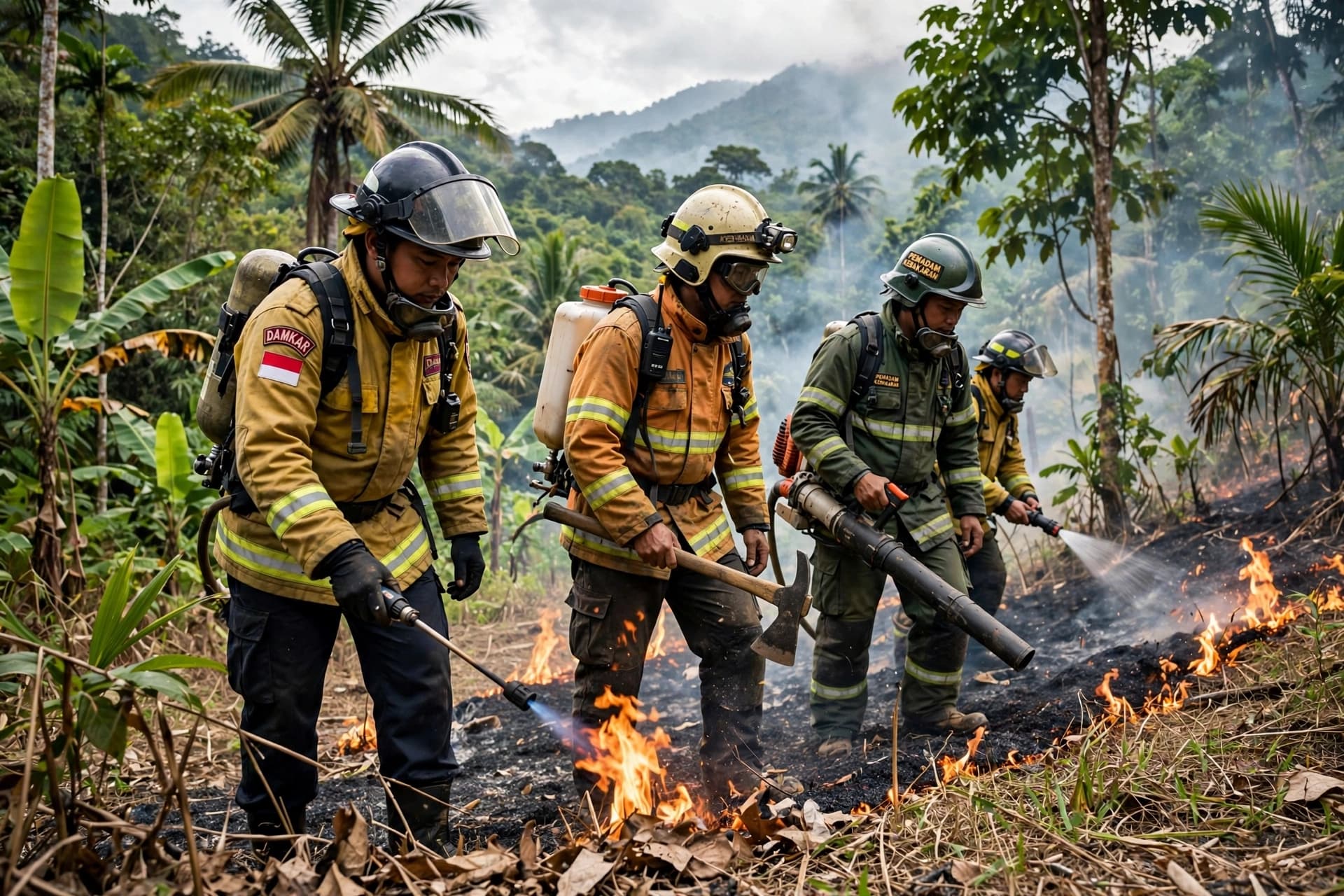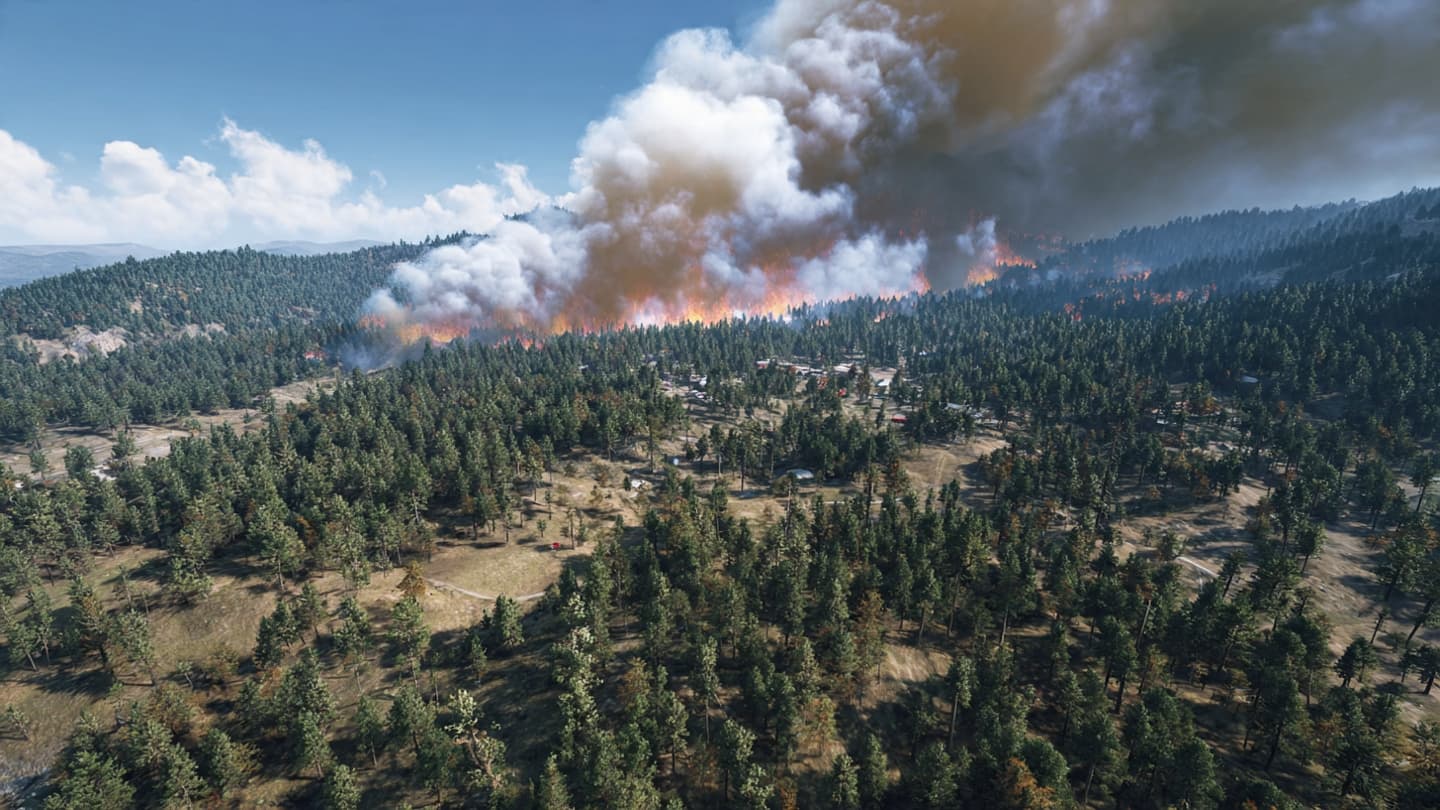
There are summers when forests seem to hold the heat quietly, their trees standing beneath a broad and ordinary sky. This year, across parts of the United States, that quiet has been repeatedly broken by fire. Smoke has become part of the horizon, while firefighters have entered landscapes where wind, heat, terrain, and flames can change within minutes.
Federal data reported by Reuters show that 12 firefighter entrapments have occurred in the United States so far in 2026. The figure is already higher than the average of nine entrapments recorded over a full year during the previous two decades, and it represents the highest year-to-date number since 2006. Six firefighters have died in entrapment incidents this year.
The scale of the wider fire season helps explain the pressure on crews. More than 46,500 wildfires had been recorded by August 12, burning approximately 6.4 million acres. The National Interagency Fire Center said that acreage was the highest August 12 total on record, leaving firefighters working across an unusually large and demanding landscape.
Firefighter entrapment does not simply mean being close to a fire. It describes a life-threatening situation in which changing fire behavior compromises escape routes or safety zones. In such moments, the geography that appeared manageable earlier can become something entirely different as flames move, wind shifts, or smoke reduces visibility.
Among the deadliest incidents was the Knowles Fire in Colorado. Four helitack firefighters died after becoming trapped on June 27, while another firefighter was severely burned. Helitack crews are transported by helicopter into difficult terrain, often working near active fires where access from the ground can be limited.
The season's conditions have added another layer of difficulty. Reuters reported that historically low winter snowpack, record temperatures, and long-term drought have contributed to unusually dry conditions across the American West. Such circumstances can leave vegetation more receptive to fire and give flames a landscape in which they can travel more readily.
Heat also changes the rhythm of firefighting. Crews must work while exposed to high temperatures, smoke, difficult terrain, and long operational periods. Wind can further complicate the situation by carrying embers ahead of a main fire front, creating new points of ignition and forcing firefighters to reassess their positions.
The risks are not limited to crews working directly in front of flames. Reuters reported that other 2026 entrapments involved Washington firefighters abandoning vehicles after they caught fire, as well as bulldozer operators who were overtaken by flames while creating fire breaks in Washington and Oregon. Each incident illustrates how quickly established plans can be altered by changing fire behavior.
Federal agencies are reviewing the incidents as the fire season continues. The U.S. Wildland Fire Service said the entrapments were being examined with the aim of improving firefighter safety. For crews still working across the country, the immediate task remains practical and direct: assess the fire, protect communities, establish safe positions, and return safely when the work is complete.
AI Image Disclaimer
These illustrations were generated with AI and are conceptual representations rather than photographs of actual wildfire scenes.
Sources
Reuters National Interagency Fire Center U.S. Wildland Fire Service Wildland Fire Lessons Learned Center
Published by Banx Network. This article is part of the Banx decentralized media programme, powered by the BXE token on the XRP Ledger.