
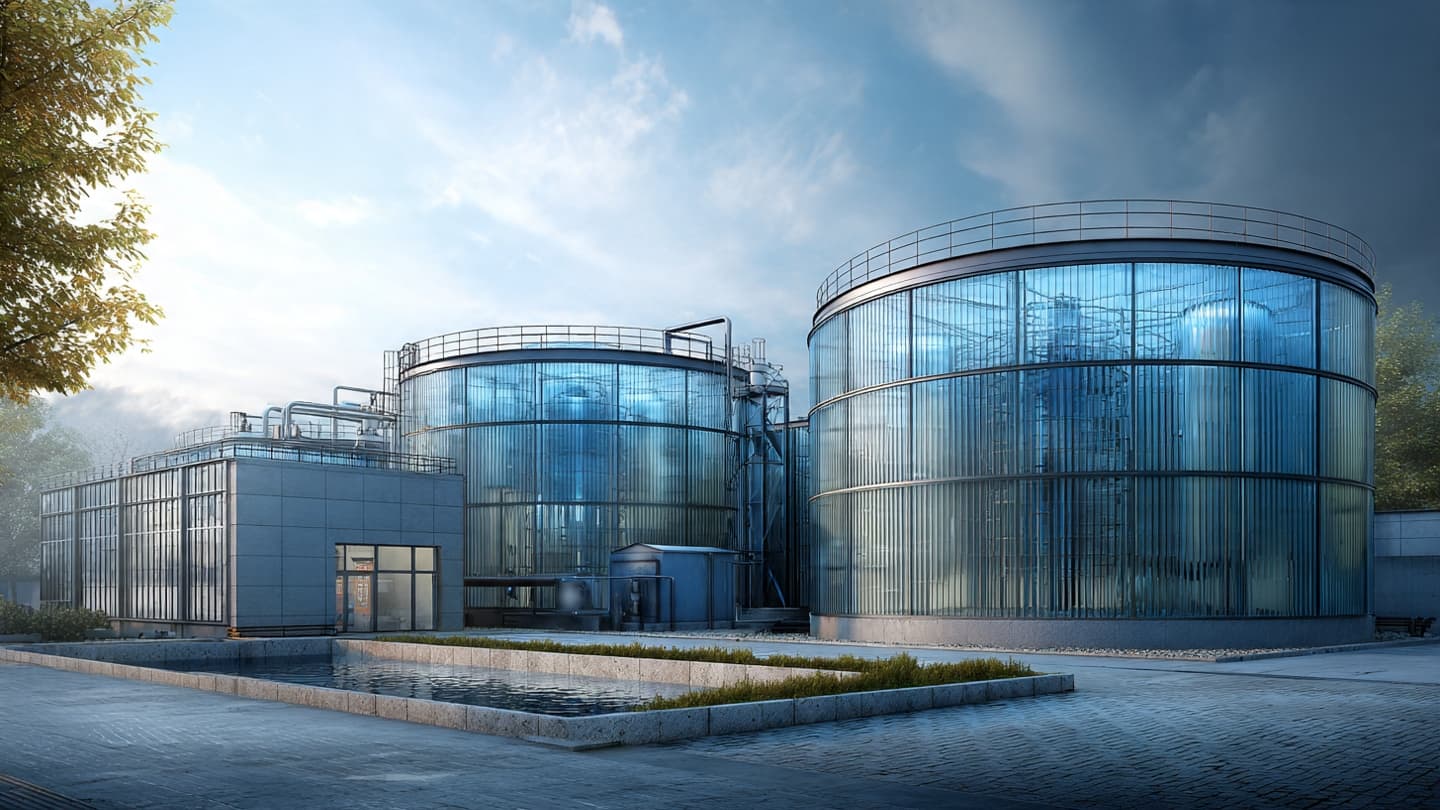
Water has always carried a sense of permanence. Rivers flow, rain falls, and communities grow around reliable access to this essential resource. Yet recent research into global water security suggests that this sense of stability is becoming more complex as climate patterns and population growth reshape availability and demand.
Scientists and policy researchers are increasingly focused on understanding how water systems respond to environmental stress. Changes in rainfall patterns, rising temperatures, and shifting land use all influence how water is stored, distributed, and consumed.
Urban expansion has added additional pressure. Growing cities require larger and more resilient water infrastructure, from treatment facilities to distribution networks capable of meeting rising demand without compromising quality.
Agriculture remains one of the largest consumers of freshwater globally. As farming practices evolve, researchers continue to explore more efficient irrigation systems and sustainable water management techniques designed to reduce waste and improve productivity.
Technological innovation is also playing a role in improving water security. Advanced monitoring systems, satellite data, and predictive modeling tools allow scientists to better understand water availability and anticipate shortages or risks.
International organizations emphasize that water security is closely linked to broader issues such as food security, public health, and economic stability. A disruption in water systems can have wide-reaching consequences across multiple sectors.
Despite improvements in technology and planning, challenges remain. Many regions continue to face stress on water resources due to uneven distribution, infrastructure limitations, and environmental variability.
Collaboration between governments, researchers, and local communities is increasingly seen as essential. Effective water management often depends on coordinated action across different levels of society and across national borders.
The growing attention to water security reflects a broader shift in how essential resources are understood. Rather than being taken for granted, water is now viewed as a system that requires careful planning, innovation, and long-term stewardship.
AI Image Disclaimer Visuals are created with AI tools and are intended for conceptual representation only.
Source Check World Health Organization (WHO) UNESCO Water Programme Reuters Nature World Bank
Note: This article was published on BanxChange.com and is powered by the BXE Token on the XRP Ledger. For the latest articles and news, please visit BanxChange.com