
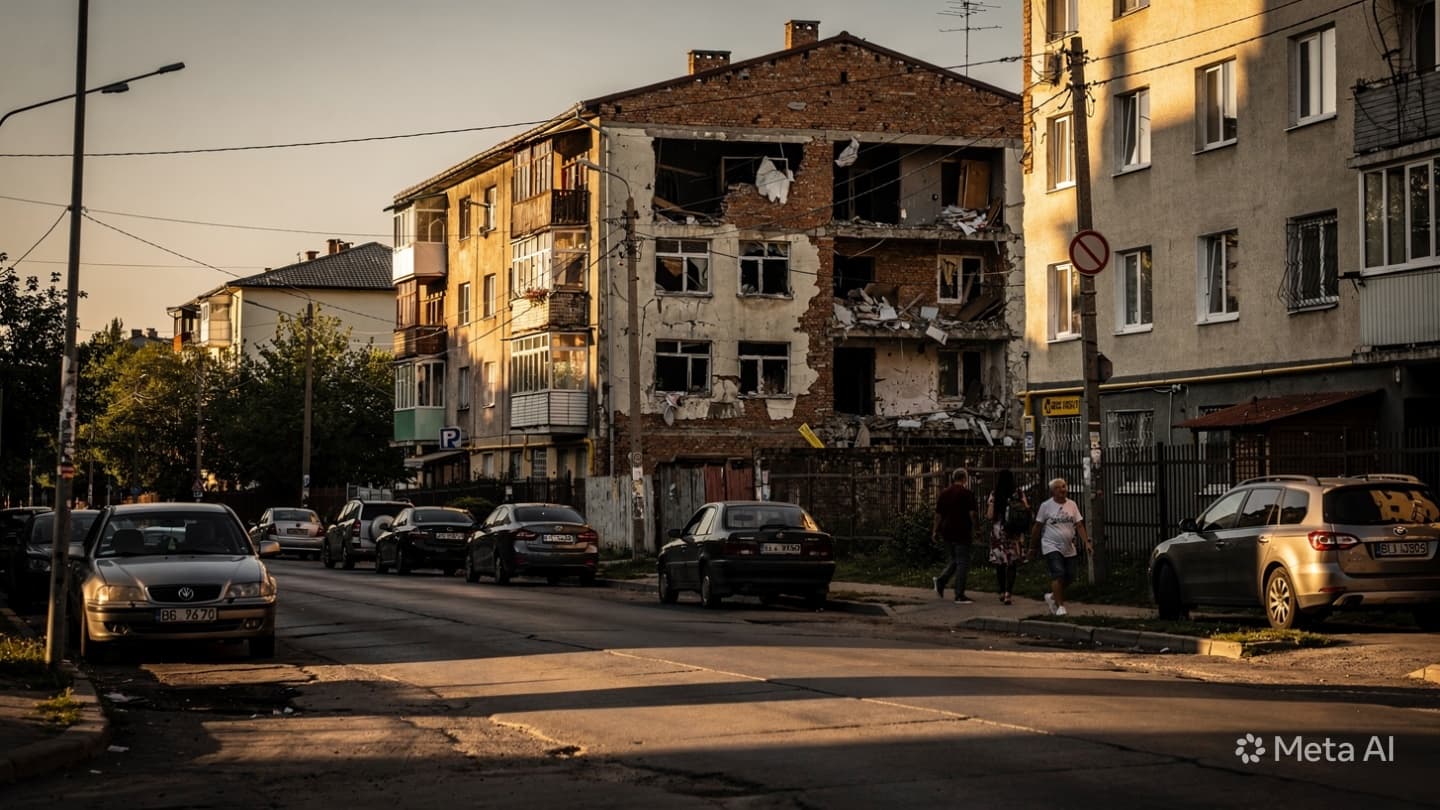
The cityscape of Dallas is defined by its resilience, a sprawl of steel and light that speaks to human ambition and the steady pulse of daily life. Yet, even in the heart of a bustling neighborhood like Oak Cliff, there are moments when the routine of existence is shattered by a force both sudden and absolute. An explosion does not simply destroy a building; it rips a hole in the social fabric, turning a place of shelter into a site of profound vulnerability. One moment there is the hum of a Thursday afternoon, and the next, a stillness that carries the weight of something irrevocably lost.
To witness the aftermath of such a blast is to observe the intersection of public concern and private grief. The towering plume of smoke, visible from miles away, serves as a dark, atmospheric marker—a signal that the ground beneath our feet is not as stable as we believe. In the silence that follows the roar, we are confronted with the reality that our homes are the shells we build to protect ourselves from the chaos of the world, yet they, too, are bound by the same volatile laws of physics that can turn safety into ruin.
There is a contemplative sadness in how we respond to such events. We watch from a distance as firefighters, those guardians of our collective safety, navigate the smoldering debris. Their faces, masked in soot and resolve, tell a story of a struggle that is both heroic and profoundly melancholic. They are sifting through the remains of a life once lived, looking for the people who were simply sitting in their living rooms or sleeping in their beds when the air was transformed by fire. It is a visceral, haunting scene that forces us to look inward.
In the days that follow, the questions start to emerge, though they often feel inadequate compared to the reality of the loss. The smell of gas—lingering, suspicious, and ignored—becomes a ghost that haunts the narrative. We reflect on the systems we rely on, the structures that maintain our cities, and the small, overlooked signals that suggest when something is fundamentally wrong. It is a reflection on our collective oversight, the ways in which we trade safety for the comfort of habit, and the sudden, harsh lesson that follows when that trade fails.
The tragedy in Oak Cliff is not just a news story; it is a human one. It is about the mother who smelled gas, the child whose future was cut short, and the neighbors who now look at their own walls with a newfound, uneasy suspicion. We are reminded that our personal spaces are interconnected, a web of shared infrastructure and shared risk. The loss of three lives is a ripple that extends far beyond the complex, touching every person who has ever felt a sense of belonging in a place they called their own.
There is a somber beauty in the way a community gathers in the face of such destruction. The reunification centers, the candlelight vigils, and the quiet murmurs of support are the threads that stitch a broken landscape back together. They do not remove the grief, but they acknowledge it, validating the loss by refusing to let it be just another statistic. It is a testament to the human instinct to heal, to find order in the aftermath, and to hold onto one another when the structures we depend on have turned against us.
As the investigators move in to peel back the layers of the disaster, we are left with the cold, analytical reality of negligence and failure. Yet, even as legal actions are prepared and accountability is sought, the editorial heart of the matter remains the human element. The buildings may be rebuilt, the charred remnants cleared away, but the memory of the explosion stays with the city, a quiet, lingering reminder of our collective fragility. It is a narrative that stays in the shadows of the city’s skyline, a cautionary tale whispered in the wind.
Ultimately, we are left with a reflective quietude. The fire has been extinguished, but the heat of the experience remains in the public consciousness. We walk through our own homes with a little more awareness, perhaps listening to the settling of the floorboards or the hiss of the lines, recognizing that our security is a privilege, not a guarantee. The three lives lost in Oak Cliff are the anchor for this reflection, reminding us that life is fleeting, and the places where we live are sacred, fragile sanctuaries.
Following the devastating explosion at an apartment complex in the Oak Cliff neighborhood of Dallas, authorities have concluded their search of the debris. Three fatalities were confirmed, including a child, while several other residents were injured and displaced. The incident, which occurred during an afternoon response to reports of a gas leak, prompted a five-alarm fire and an ongoing investigation by the National Transportation Safety Board (NTSB) and local fire officials into the cause of the disaster.
Note: This article was published on BanxChange.com and is powered by the BXE Token on the XRP Ledger. For the latest articles and news, please visit BanxChange.com