The city breathes in rhythms that often go unnoticed, a collective heartbeat of commerce and quiet resilience that anchors a community. Yet, there are moments when this pulse falters, replaced by a sudden, jarring staccato of uncertainty. In the densely populated district of Cité Soleil, that rhythm has been fractured. The streets, once alive with the mundane beauty of daily life, have become pathways for those carrying only what they can hold, their faces turned away from the thresholds they once called home.
It is a migration not of choice, but of necessity, born from the encroaching shadows of violence that have long threatened the periphery of the capital. For the thousands who have departed, the movement is physical and profound, a transition from the familiarity of a neighborhood to the vast, hollow uncertainty of displacement. They move through the cracks of a city already strained, seeking a horizon that feels further away with every passing day. The air hangs heavy with the weight of these departures, a collective holding of breath as families navigate the shifting terrain of their own survival.
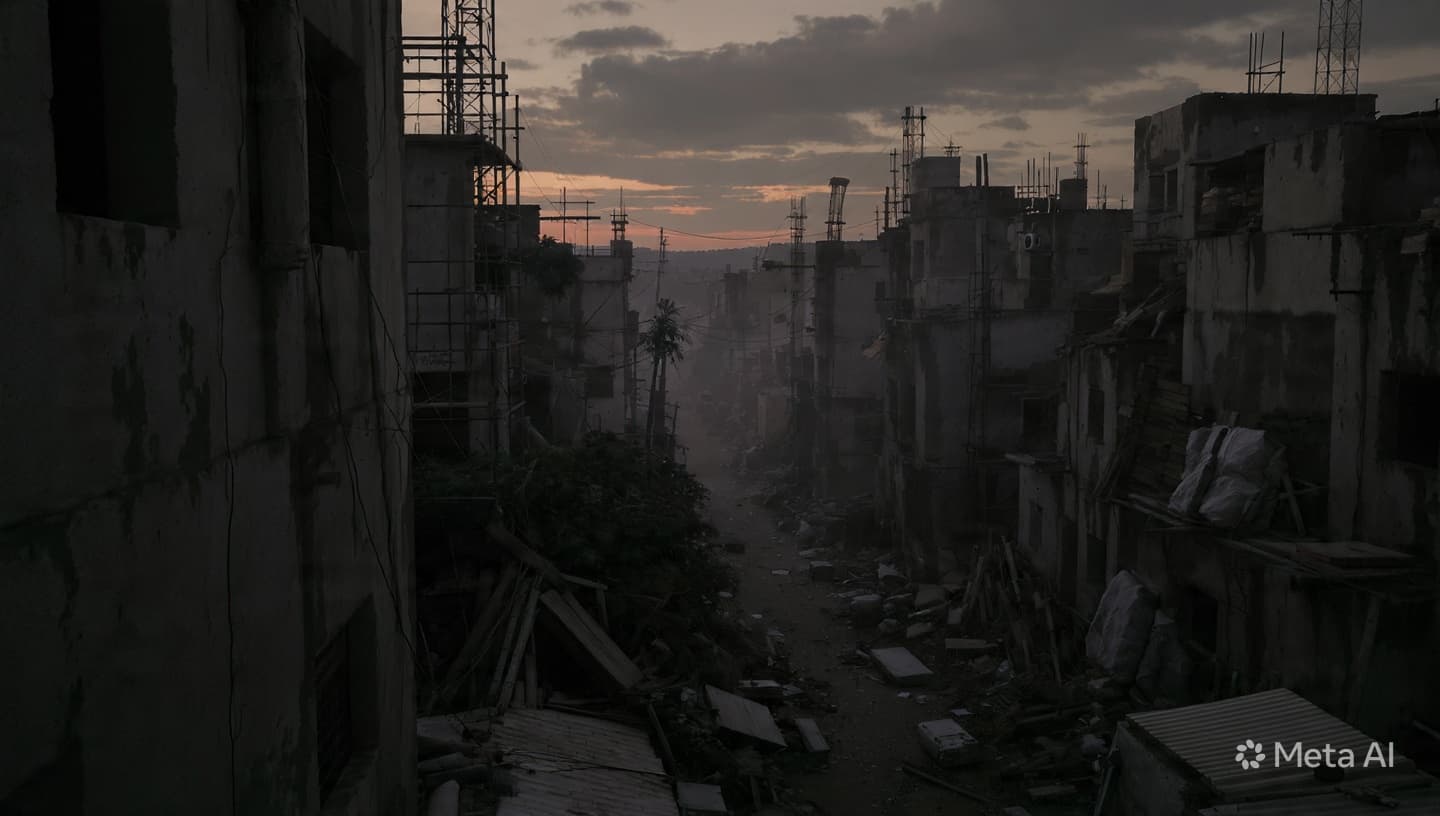
Observers of the landscape might note the transformation of the streets. Places that were once defined by the presence of people—the chatter of markets, the play of children, the evening gatherings—have shifted into spaces defined by their absence. The architecture of the neighborhood remains, but its soul has been displaced, scattered across the metropolitan area in a search for shelter. It is a quiet, haunting scene, played out in the muted light of early mornings and the long, restless evenings that follow.
The figures behind this movement offer a stark reflection of the times. Within the span of a single month, more than 18,000 people have been uprooted, their lives interrupted by a sudden flare of volatility. This is not a static event but a living, breathing consequence of an environment where security has become a luxury. The numbers, while significant, serve only as a faint outline of the human experience—the nights spent in the open, the abandonment of livelihoods, and the fraying of social fabrics that once held these communities together.
As the displaced settle into new, often precarious environments, the geography of the crisis expands. The distinction between a place of safety and a place of conflict has blurred, turning areas that once acted as sanctuaries into sites of increasing pressure. Host families, themselves grappling with the tremors of the economy and the volatility of the streets, now open their doors, sharing dwindling resources in an act of survival that is as generous as it is desperate. It is a quiet, ongoing struggle that rarely captures the headlines for long, yet it defines the reality for a significant portion of the city’s population.
Within these makeshift arrangements, the trauma of displacement sits unspoken but present. It is in the way the silence is handled, the way the eyes drift toward the horizon, and the way the future is discussed in whispers. There is a deep, resonant grief in the act of leaving one’s history behind, a weight that is carried not just by the individuals, but by the very ground they have vacated. The city, in its vastness, continues to move around them, yet the rupture remains, a scar on the collective memory of the capital.
The response to such events is often measured in the language of aid and logistical support, yet the true depth of the situation transcends the metrics of relief. It is a crisis of belonging, of the basic human right to exist within a space that is not defined by fear. As agencies work to provide the essentials—water, temporary shelter, healthcare—the underlying need remains a return to a normalcy that feels increasingly fragile. The resilience of the people is the only constant, a quiet strength that persists even when the structures around them have collapsed.
Ultimately, the events in Cité Soleil are a reminder of the fragility of the urban experience. When the infrastructure of safety is dismantled, the human cost is measured in the millions of small, daily sacrifices made by those who have been forced to start anew. The narrative of this displacement is still being written, etched into the faces of those who wait for a shift in the wind, a moment when the path back home might finally be clear of the shadows that currently hold it fast.
According to the International Organization for Migration, more than 18,000 individuals were displaced from Cité Soleil during May 2026. These residents have largely relocated to overcrowded sites or host communities within the Port-au-Prince metropolitan area. Humanitarian organizations report critical shortages of shelter and essential services, noting that the displacement surge has placed unprecedented pressure on already vulnerable urban infrastructures.
Published by Banx Network. This article is part of the Banx decentralized media programme, powered by the BXE token on the XRP Ledger.