
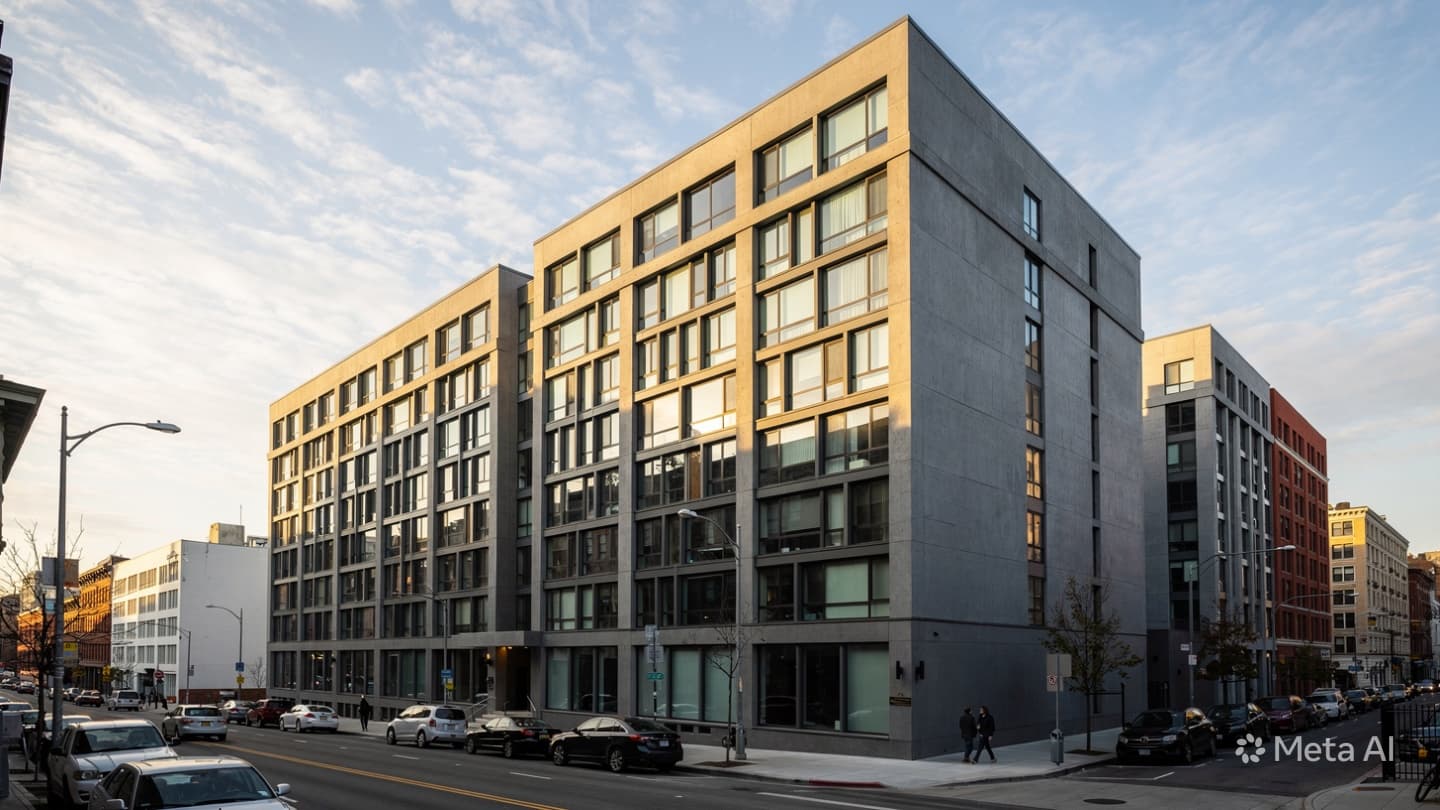
Home is often regarded as the final fortress, a place where the chaos of the outside world is filtered out, leaving only the sanctuary of the domestic. Yet, that sense of security is occasionally punctured by the quiet, invisible volatility that hums beneath our floorboards. In the dense residential complexes of Tianjin, the suddenness of a gas explosion reminds us that even our most protected spaces are subject to the caprices of circumstance.
There is a strange, jarring contrast between the mundane existence of a home and the explosive potential of its underlying systems. One moment, the residents are engaged in the quiet rituals of daily life—the boiling of water, the flicker of a stove, the gentle drift of morning conversation. The next, the landscape of their lives is fundamentally altered, shattered by a force that turns the familiar into the unrecognizable.
The aftermath leaves a scene of confusion and stark, jagged edges. What was once defined by its utility and warmth is now marked by debris and the hollow echoes of the emergency response. The shift from a private space to a public spectacle of recovery is a difficult transition for those who called these walls their own, as they grapple with the sudden loss of their surroundings.
Emergency responders move through the wreckage with a practiced urgency, their presence a necessity in the wake of such a volatile event. They work to secure the environment, to mitigate the lingering danger, and to search for those caught within the fallout. Their actions are the heartbeat of the recovery, a steady pulse in the midst of a fractured reality that demands precision and care.
There is an emotional weight that accompanies the news of such a disaster, as it touches upon the universal desire for shelter. We all recognize the routine of a residential building, the hallways that lead to private rooms, and the trust we place in the pipes and wires that sustain us. When that trust is broken, it leaves a quiet, resonant fear that persists in the minds of others living in similar structures.
The investigation into the cause will inevitably focus on infrastructure and maintenance, digging into the layers of oversight that govern residential safety. It is a necessary exercise, yet one that can feel disconnected from the personal scale of the tragedy. For the families affected, the technical explanation will never suffice to fill the emptiness of the loss, nor will it erase the memory of the change.
As the debris is cleared and the smoke dissipates, the neighborhood will begin the slow process of returning to a state of normalcy. However, the definition of home has been altered by the incident, colored now by the knowledge of what can occur when the invisible elements of our infrastructure fail. It is a lesson written in the rubble, one that requires a renewed commitment to the safety of our shared living spaces.
The focus in the coming days will be on providing aid to the displaced and ensuring that the structural integrity of the surrounding units is sound. The authorities are balancing the need for public transparency with the privacy of the affected residents, ensuring that the process of recovery is handled with the appropriate gravity. It is a quiet, ongoing endeavor to rebuild trust in the very places where we rest our heads.
A gas explosion occurred within a residential complex in Tianjin on May 31, 2026, resulting in several fatalities and injuries. Local emergency response teams secured the area and are currently investigating the cause of the explosion while providing ongoing support to the affected residents.
Note: This article was published on BanxChange.com and is powered by the BXE Token on the XRP Ledger. For the latest articles and news, please visit BanxChange.com