The architecture of global trade often shifts quietly, like bridges being extended across distant shores while most daily life continues unchanged beneath them. Yet every so often, a legislative vote brings those distant connections into clearer view, reminding observers how interconnected economies have become.
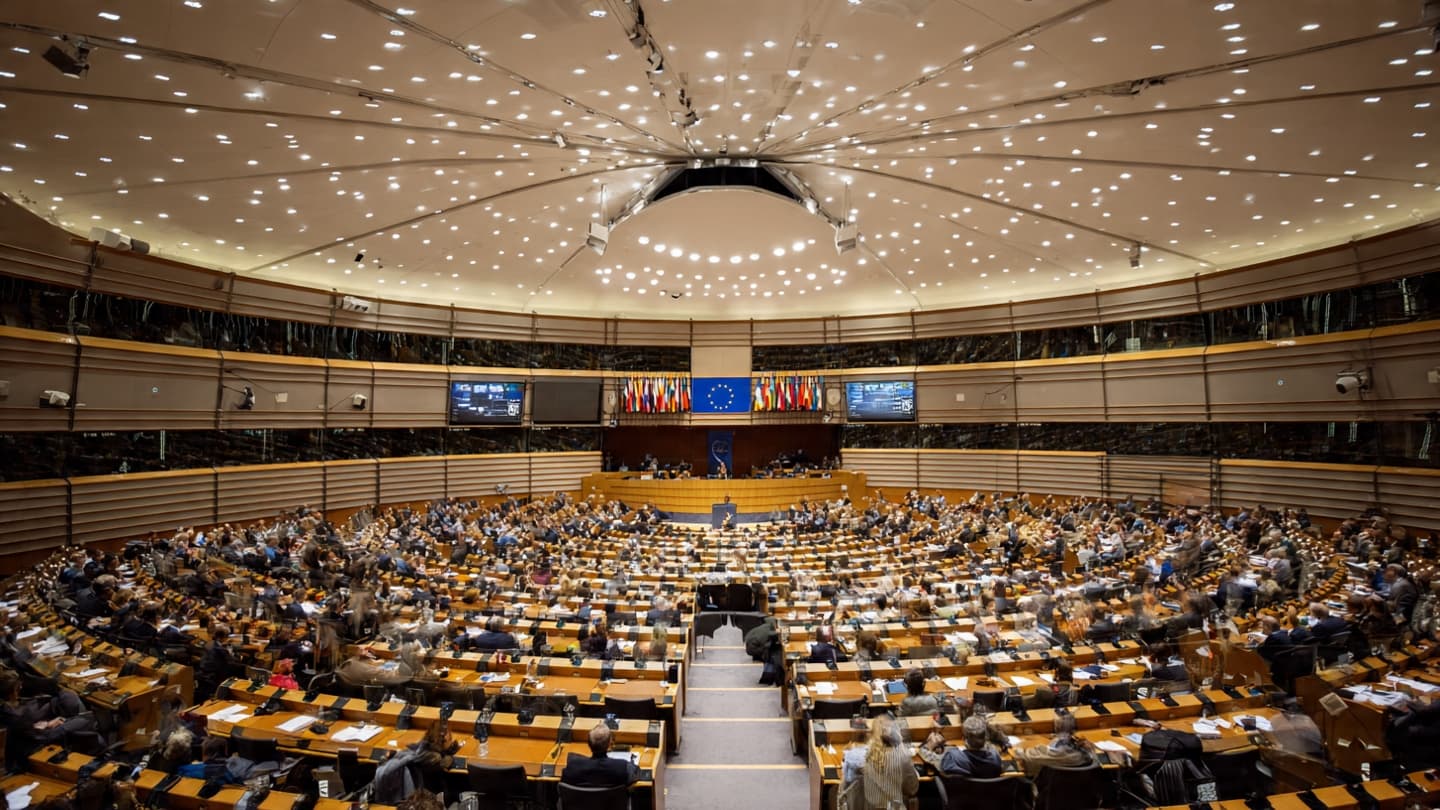
The European Parliament has approved a transatlantic trade agreement aimed at strengthening economic ties between the European Union and the United States. The vote marks a significant step in a broader effort to deepen cooperation across two of the world’s largest economic regions.
The agreement is designed to reduce trade barriers, streamline regulatory coordination in selected sectors, and encourage smoother flows of goods and services between the two economies. Such frameworks are often developed over long negotiation periods involving multiple stakeholders, including lawmakers, industry representatives, and trade officials.
Supporters of the deal have pointed to the potential for increased market stability and expanded opportunities for businesses operating across borders. In discussions surrounding the vote, emphasis has often been placed on competitiveness, supply chain resilience, and shared economic standards.
At the same time, trade agreements of this scale typically prompt careful scrutiny from policymakers and analysts who examine how different industries and labor markets may be affected. Questions about regulatory alignment and domestic economic impacts are often part of the legislative conversation.
Within the European Union, parliamentary approval represents one stage in a multi-layered process that may still involve additional legal and administrative steps before full implementation. Coordination with transatlantic partners also tends to continue beyond formal votes.
Observers note that agreements of this nature reflect not only economic priorities but also broader diplomatic relationships that evolve over time, shaped by changing global conditions and shared strategic interests.
As the agreement moves forward, attention is likely to remain on how its provisions are implemented and how they influence trade patterns across both sides of the Atlantic.
Closing: The European Parliament’s approval of the transatlantic trade deal marks an important procedural step in ongoing efforts to strengthen EU–U.S. economic cooperation.
AI Image Disclaimer: Images accompanying this article are AI-generated and intended solely for illustrative editorial purposes.
Source Verification Check:
Reuters BBC News Politico Europe Associated Press Financial Times
Published by Banx Network. This article is part of the Banx decentralized media programme, powered by the BXE token on the XRP Ledger.